Austral Oldfield Mouse (Thomasomys australis): A Comprehensive Overview
Introduction
The Austral Oldfield Mouse, scientifically known as Thomasomys australis, is a fascinating mammal species that captures the interest of researchers and wildlife enthusiasts alike. This small rodent belongs to the family Cricetidae, which encompasses a wide variety of small mammals including mice, voles, and hamsters. Primarily found in South America, the Austral Oldfield Mouse plays a crucial role in its ecosystem as both a prey species and a seed disperser. This article delves into the intricate details of this species, covering aspects such as its physical description, habitat, behavior, and conservation status, providing a comprehensive understanding of the Austral Oldfield Mouse.
Physical Description
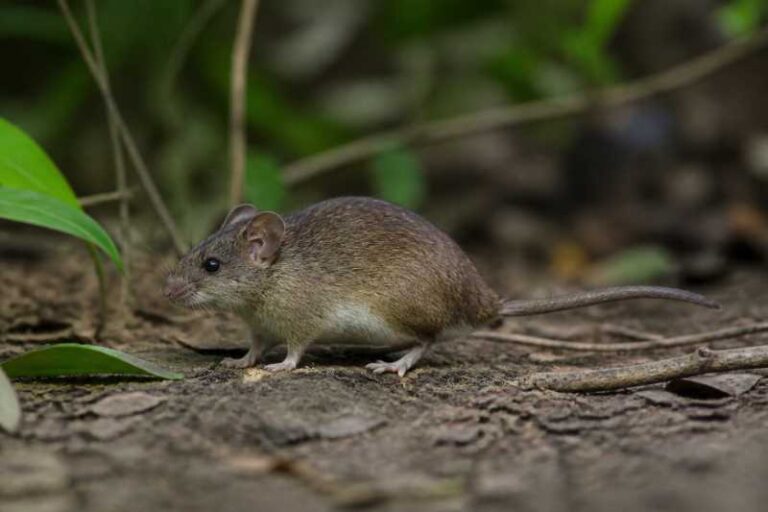
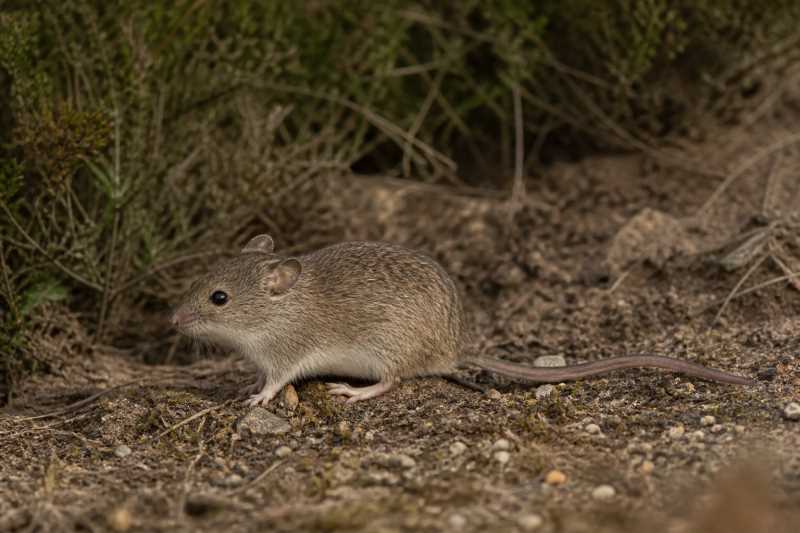
The Austral Oldfield Mouse is characterized by its relatively small size and distinct physical features. Adults typically measure between 10 to 15 centimeters in body length, with a tail that can extend another 8 to 12 centimeters, aiding in balance and agility. The weight of this species ranges from 20 to 50 grams, making it a lightweight and agile creature.
The fur of the Austral Oldfield Mouse is soft and dense, primarily colored in earthy tones such as brown or grey, which provides excellent camouflage in its natural habitat. The underbelly is often lighter, ranging from a pale grey to a creamy white. Its ears are small and rounded, and its eyes are large and prominent, indicative of its nocturnal lifestyle. The forelimbs and hindlimbs are well-developed, with sharp claws that facilitate climbing and foraging.
Range and Habitat
The Austral Oldfield Mouse is predominantly found in the Andean regions of South America, with a range that spans across countries like Ecuador, Peru, and Bolivia. This species is adapted to high-altitude environments, typically inhabiting cloud forests and paramo ecosystems at elevations ranging from 2,500 to 4,500 meters above sea level.
These mice prefer habitats that offer dense vegetation and abundant ground cover, which provide protection from predators and harsh weather conditions. The dense undergrowth also offers a rich supply of food resources, contributing to their survival and reproduction. Seasonal variations in habitat availability may cause the Austral Oldfield Mouse to exhibit some degree of migratory behavior within its range.
Behavior and Diet
As a nocturnal species, the Austral Oldfield Mouse is most active during the night, when it ventures out from its burrows to forage for food. Its diet is omnivorous, consisting mainly of seeds, fruits, and insects. This dietary flexibility allows the Austral Oldfield Mouse to adapt to varying food availability in its high-altitude environment.
Socially, these mice are solitary creatures, with individuals maintaining separate territories that they defend from intruders. Communication among them is primarily through scent marking and vocalizations. Breeding occurs throughout the year, with a gestation period of approximately 20 to 25 days. Females give birth to litters of 2 to 4 young, which are weaned after about three weeks.
Identification Tips (Field Recognition Cues)
Identifying the Austral Oldfield Mouse in the wild can be challenging due to its nocturnal habits and elusive nature. However, several field recognition cues can aid in its identification:
- Size and Shape: Look for a small, slender-bodied rodent with a tail almost equal in length to its body.
- Fur Coloration: Note the earthy brown or grey coloration with a lighter underbelly.
- Habitat: Focus on high-altitude cloud forests and paramo regions within the Andean range.
- Behavior: Observe nocturnal foraging behavior and solitary territoriality.
- Tracks and Droppings: Search for small, distinct tracks and droppings that may indicate their presence.
Conservation Status (with Threats and Protections)
The Austral Oldfield Mouse is currently classified as "Least Concern" by the International Union for Conservation of Nature (IUCN). However, its population faces several threats that could impact its status if not addressed. Habitat destruction due to deforestation and agricultural expansion poses a significant risk, as it reduces the available living space and food resources for the species.
Climate change is another looming threat, potentially altering the delicate balance of the high-altitude ecosystems that the Austral Oldfield Mouse inhabits. Changes in temperature and precipitation patterns could affect food availability and habitat suitability.
Conservation efforts for this species include habitat protection and restoration initiatives. Protected areas, such as national parks and reserves, provide safe havens for these mice and other wildlife. Continued research and monitoring are essential to ensure that conservation strategies are effective and adaptive to changing environmental conditions.
Frequently Asked Questions
Q1: What is the lifespan of the Austral Oldfield Mouse?
The Austral Oldfield Mouse typically has a lifespan of 1 to 2 years in the wild, though it may live longer in captivity under optimal care.
Q2: How does the Austral Oldfield Mouse contribute to its ecosystem?
This species plays a vital role in seed dispersal, which aids in plant diversity and regeneration. It also serves as prey for various predators, thus contributing to the food web.
Q3: Are there any specific conservation programs for the Austral Oldfield Mouse?
While there are no species-specific programs, conservation efforts are focused on protecting the habitats they occupy, which benefits the Austral Oldfield Mouse indirectly.
Q4: Can the Austral Oldfield Mouse adapt to changes in its environment?
The Austral Oldfield Mouse has some adaptability due to its omnivorous diet and ability to inhabit different altitudes, but drastic environmental changes could pose significant challenges.
Q5: What are the main predators of the Austral Oldfield Mouse?
Predators include birds of prey, small carnivorous mammals, and snakes, all of which rely on the Austral Oldfield Mouse as a food source.
Related posts