Introduction
The Magdalena Water Rat, scientifically known as Nectomys magdalenae, is a fascinating rodent species belonging to the family Cricetidae. Endemic to the Magdalena River basin in Colombia, this semi-aquatic mammal has evolved unique adaptations that enable it to thrive in its watery habitat. As part of the diverse and ecologically significant ecosystems of the region, the Magdalena Water Rat plays a crucial role in maintaining the ecological balance of its environment.
The study of the Magdalena Water Rat offers valuable insights into the biodiversity of the Neotropical region and underscores the importance of conservation efforts to protect this and other species from the threats they face. This article delves into the physical characteristics, habitat, behavior, and conservation status of this intriguing mammal, providing a comprehensive overview for researchers, conservationists, and wildlife enthusiasts alike.
Physical Description
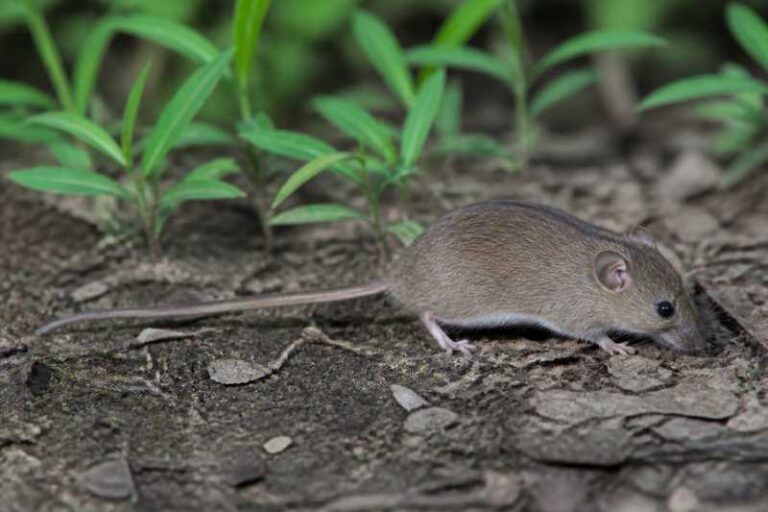
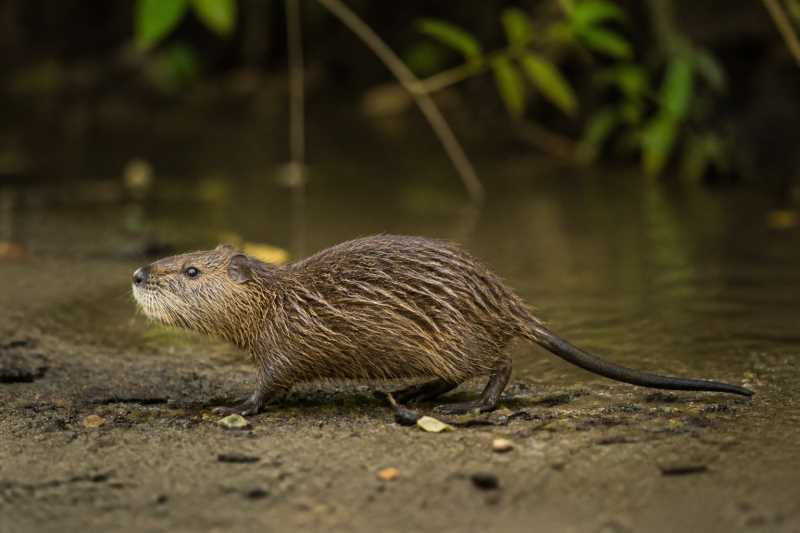
The Magdalena Water Rat is a medium-sized rodent characterized by its distinct semi-aquatic adaptations. Adults typically measure between 20 to 30 centimeters in body length, with a tail that is often equal to or longer than the body, adding an additional 18 to 25 centimeters. This tail is sparsely haired and serves as a balancing tool when swimming.
The fur of the Magdalena Water Rat is dense and water-repellent, with a coloration that ranges from dark brown to grayish on the dorsal side, providing effective camouflage in its aquatic surroundings. The ventral side is usually lighter, often displaying a creamy or whitish hue. This counter-shading is common among aquatic and semi-aquatic mammals, aiding in camouflage from both aerial and underwater predators.
The species possesses large, rounded ears and prominent, sensitive whiskers that enhance its sensory capabilities. Its webbed hind feet are a distinguishing feature, adapted for swimming and aiding in efficient propulsion through water.
Range and Habitat
Nectomys magdalenae is predominantly found along the Magdalena River and its tributaries in Colombia. This region is characterized by a tropical climate, with significant rainfall supporting diverse aquatic ecosystems.
The preferred habitat of the Magdalena Water Rat includes riverbanks, marshes, and riparian zones where it can exploit both terrestrial and aquatic resources. These environments provide ample food sources, such as aquatic insects and vegetation, and offer shelter from predators.
The presence of dense vegetation along river margins is crucial for the Magdalena Water Rat, offering both protection and a rich foraging ground. This species is also known to inhabit areas with slow-moving or stagnant water bodies, where its swimming abilities and water-adapted physiology give it a competitive edge.
Behavior and Diet
The Magdalena Water Rat is primarily nocturnal, with peak activity occurring during the night. This nocturnal behavior reduces predation risk and allows the species to exploit food resources with less competition.
Its diet is omnivorous, consisting of a variety of aquatic and terrestrial foods. The species feeds on aquatic plants, small fish, crustaceans, and insects. Its adept swimming abilities allow it to hunt efficiently in water, while its terrestrial foraging includes seeds, fruits, and small arthropods.
Socially, the Magdalena Water Rat is known to be solitary or to live in small family groups. Its burrowing behavior is notable, as it constructs burrows along riverbanks that serve as both nesting sites and refuge from predators and environmental extremes.
Identification Tips (Field Recognition Cues)
Recognizing the Magdalena Water Rat in the field can be facilitated by noting several key characteristics:
- Size and Shape: Medium-sized rodent with a long, sparsely haired tail.
- Fur Coloration: Dark brown to gray dorsally, lighter ventrally.
- Webbed Feet: Hind feet are webbed, aiding in swimming.
- Habitat: Typically found near water bodies such as rivers and marshes.
- Behavior: Nocturnal activity and burrowing behavior along riverbanks.
Conservation Status (With Threats and Protections)
The conservation status of the Magdalena Water Rat is of concern, primarily due to habitat destruction and fragmentation. The expansion of agricultural activities, deforestation, and pollution in the Magdalena River basin pose significant threats to the species.
The International Union for Conservation of Nature (IUCN) has not yet assessed the Magdalena Water Rat independently, but its habitat is under pressure, suggesting that conservation measures are required to ensure its survival.
Efforts to protect this species include habitat restoration projects and the establishment of protected areas along key sections of its range. Encouraging sustainable agricultural practices and reducing pollution in the river basin are critical to mitigating the threats faced by the Magdalena Water Rat and preserving its habitat.
Frequently Asked Questions
What is the typical habitat of the Magdalena Water Rat?
The Magdalena Water Rat is found in riparian zones along riverbanks, marshes, and wetlands in the Magdalena River basin in Colombia. These areas provide essential resources such as food and shelter.
How does the Magdalena Water Rat contribute to its ecosystem?
As an omnivorous species, the Magdalena Water Rat helps control insect populations and contributes to seed dispersal, playing a vital role in maintaining the ecological balance of its environment.
What are the main threats to the Magdalena Water Rat?
The primary threats include habitat destruction due to agricultural expansion, deforestation, and pollution. Conservation efforts focus on habitat protection and restoration to mitigate these threats.
How can I identify a Magdalena Water Rat in the wild?
Look for a medium-sized rodent with a long tail, dark brown dorsal fur, lighter ventral fur, and webbed hind feet, typically found near water bodies and active at night.
Are there any conservation projects aimed at protecting the Magdalena Water Rat?
Yes, conservation projects in the Magdalena River basin aim to restore habitats, establish protected areas, and promote sustainable land-use practices to protect the species and its environment.
Related posts