The Barbados Giant Rice Rat: An Extinct Enigma
Introduction
The Barbados Giant Rice Rat, scientifically named Megalomys georginae, was a fascinating member of the rodent family that once inhabited the Caribbean island of Barbados. This species, now extinct, offers a glimpse into the once-diverse ecosystem of the Caribbean islands. Understanding the Barbados Giant Rice Rat is crucial not only for historical ecological studies but also for appreciating the delicate balance of island ecosystems and the impact of human activity on wildlife.
Physical Description
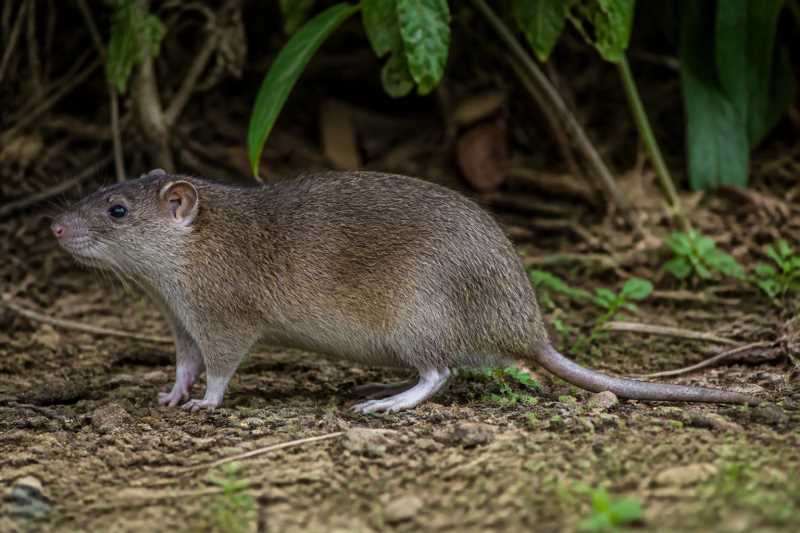
The Barbados Giant Rice Rat was a large rodent, characterized by its robust build and sizeable dimensions compared to other rat species. Adult specimens could reach up to 30 centimeters in body length, with a tail that matched or exceeded this measurement. Their weight was substantial for a rodent, often exceeding 1 kilogram. The fur of the Barbados Giant Rice Rat was dense and coarse, providing protection against the tropical environment. The coloration ranged from a grayish-brown on the dorsal side to a lighter gray or white on the ventral side. Its large incisors were well-developed, a common trait among rodents, adapted for gnawing through tough plant materials and seeds.
Range and Habitat
Historically, the Barbados Giant Rice Rat was endemic to the island of Barbados, situated in the eastern Caribbean. Its habitat was primarily the island’s dense tropical forests, where it could find ample food and shelter. The lush vegetation of Barbados provided an ideal environment for this species to thrive. Unfortunately, due to human colonization and the subsequent deforestation and habitat alteration, the natural habitats of the Barbados Giant Rice Rat were severely impacted, contributing to its extinction.
Behavior and Diet
The Barbados Giant Rice Rat was believed to be primarily nocturnal, foraging for food during the cooler night hours. Its diet likely consisted of a variety of plant materials, including seeds, fruits, and possibly small invertebrates, making it an omnivorous species. The rat’s behavior was presumably solitary, as with many rodent species, although precise social structures and behaviors are not well-documented due to the species’ extinction before comprehensive studies could be conducted.
Identification Tips
Identifying the Barbados Giant Rice Rat in the field today is not feasible due to its extinction. However, for historical and educational purposes, recognizing the species from skeletal remains or illustrations can be possible through certain features. Key identification cues include:
- Size: Larger than typical rats, with a more robust skeletal structure.
- Skull: Broad with large incisor teeth indicating its plant-based diet.
- Tail: Long and thick, often equal to or exceeding body length.
Conservation Status
The Barbados Giant Rice Rat is classified as extinct. The primary threats that led to its extinction were habitat destruction due to deforestation and land conversion for agriculture and urban development. Additionally, the introduction of non-native species such as cats and mongooses, which preyed on the rats, accelerated their decline. Efforts to protect the remaining biodiversity on the island of Barbados now emphasize the importance of habitat conservation and the control of invasive species to prevent further loss of native species.
Frequently Asked Questions
What did the Barbados Giant Rice Rat eat?
The Barbados Giant Rice Rat had an omnivorous diet, feeding mainly on seeds, fruits, and possibly small invertebrates. Its large incisors were adapted to gnaw through tough plant materials, making it a versatile feeder in the tropical forests of Barbados.
Why did the Barbados Giant Rice Rat go extinct?
The extinction of the Barbados Giant Rice Rat was primarily due to habitat destruction from deforestation and land conversion for agriculture. Additionally, the introduction of invasive species such as cats and mongooses contributed to its decline by preying on the rats.
Are there any conservation efforts for similar species?
While the Barbados Giant Rice Rat itself is extinct, conservation efforts on Barbados now focus on protecting the island’s remaining biodiversity. This includes habitat restoration, invasive species control, and public education about the importance of preserving native wildlife.
Related posts