Introduction
The Yellowish Rice Rat, scientifically known as Aegialomys xanthaeolus, is a fascinating species of rodent belonging to the family Cricetidae. This small mammal is primarily found in the coastal regions of South America, particularly in Ecuador and Peru. Though not as famous as some other rodent species, the Yellowish Rice Rat plays a crucial role in its ecosystem, contributing to seed dispersion and acting as a prey species for various predators.
Understanding the ecological significance and lifestyle of the Yellowish Rice Rat is essential for conservation efforts, especially in the face of habitat destruction and other anthropogenic threats. This article provides a comprehensive overview of this unique species, offering insights into its physical attributes, habitat preferences, behavioral patterns, and current conservation status.
Physical Description
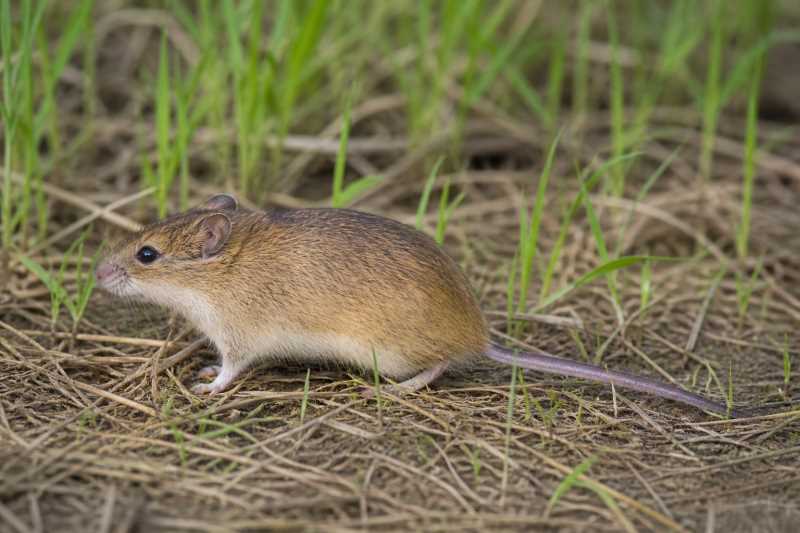
The Yellowish Rice Rat is a small to medium-sized rodent, with adults typically measuring between 12 to 20 centimeters in body length, excluding the tail, which adds an additional 10 to 15 centimeters. The species is characterized by its soft, dense fur, which exhibits a distinctive yellowish-brown coloration on the dorsal side, gradually fading to a lighter, almost white, hue on the ventral side. This coloration provides effective camouflage against the backdrop of its natural habitat.
The rat’s ears are relatively large and rounded, aiding in its acute sense of hearing, essential for detecting predators. Its eyes are large and dark, well-adapted for nocturnal activity. The whiskers, or vibrissae, are prominent, playing a vital role in navigation and foraging in dense vegetation. The tail is covered in short hair and is often used for balance and support when climbing.
Range and Habitat
The Yellowish Rice Rat is primarily found along the coastal lowlands of western South America. Its range extends from southern Ecuador to northern Peru, thriving in a variety of habitats that include mangroves, marshes, and agricultural lands, particularly rice fields. The species is well-adapted to both natural and modified landscapes, demonstrating a degree of ecological flexibility that allows it to exploit diverse environments.
This rodent prefers areas with dense vegetation and abundant water sources, which provide both food and protection from predators. The presence of water bodies, such as rivers and streams, is a crucial habitat feature, as it supports the aquatic plants that form a part of the rat’s diet. Additionally, the Yellowish Rice Rat is known to be tolerant of some habitat disturbance, often inhabiting areas close to human settlements.
Behavior and Diet
The Yellowish Rice Rat is predominantly nocturnal, spending its nights foraging for food and its days resting in burrows or other sheltered locations. This nocturnal lifestyle helps it avoid many diurnal predators and reduces competition for food resources.
Its diet is omnivorous, consisting mainly of seeds, fruits, and small invertebrates such as insects and crustaceans. The rat plays a significant role in seed dispersion, which aids in maintaining the ecological balance of its habitat. During periods of food scarcity, it may also consume agricultural crops, particularly rice, which sometimes brings it into conflict with farmers.
Socially, the Yellowish Rice Rat is relatively solitary, with individuals maintaining overlapping home ranges but seldom interacting outside of the breeding season. Communication is facilitated through vocalizations, scent markings, and physical displays.
Identification Tips (field recognition cues)
Identifying the Yellowish Rice Rat in the field can be challenging due to its nocturnal habits and the presence of similar-looking species. However, there are several distinctive features that can aid in its identification:
- Fur Coloration: Look for the characteristic yellowish-brown dorsal fur and the lighter ventral side.
- Size: Note the moderate body size, with a total length (including the tail) of approximately 25 to 35 centimeters.
- Tail: The tail is nearly as long as the body and is covered with short hair.
- Habitat: Observe the habitat; this species is typically found in lowland coastal areas with dense vegetation.
- Behavior: Active primarily at night, often seen near water sources or in rice fields.
Conservation Status (with threats and protections)
The Yellowish Rice Rat is currently classified as "Least Concern" by the International Union for Conservation of Nature (IUCN). However, this status does not imply that the species is free from threats. Habitat destruction, particularly due to agricultural expansion, urbanization, and pollution, poses significant risks to its populations.
Wetland conversion for agriculture and infrastructure development is a primary threat, as it leads to the loss of essential habitats. Additionally, the use of pesticides and other chemicals in farming can have detrimental effects on the rat’s health and food resources.
Conservation efforts for the Yellowish Rice Rat include habitat protection and restoration initiatives. Protected areas in Ecuador and Peru provide some refuge for the species, though effective management and enforcement are necessary to ensure their long-term viability.
Frequently Asked Questions
1. What does the Yellowish Rice Rat eat?
The Yellowish Rice Rat has an omnivorous diet, primarily consuming seeds, fruits, and small invertebrates. During food scarcity, it may feed on agricultural crops like rice.
2. Where can the Yellowish Rice Rat be found?
This species is found in the coastal lowlands of western South America, particularly in Ecuador and Peru, inhabiting mangroves, marshes, and agricultural lands.
3. Is the Yellowish Rice Rat endangered?
The Yellowish Rice Rat is currently listed as "Least Concern" by the IUCN, though it faces threats from habitat destruction and environmental pollution.
4. How can I identify a Yellowish Rice Rat?
Look for its yellowish-brown dorsal fur, lighter ventral side, moderate size, and long hair-covered tail, typically found in dense coastal vegetation.
5. Are Yellowish Rice Rats solitary or social?
Yellowish Rice Rats are relatively solitary, with individuals maintaining overlapping home ranges but only interacting during the breeding season.
Related posts