Introduction
Kemp’s Grass Mouse (Deltamys kempi) is a fascinating rodent species that belongs to the family Cricetidae. This small mammal is native to South America and can be found in regions that provide the lush vegetation and grasslands it thrives in. Though not as widely known as some other rodent species, the Kemp’s Grass Mouse plays a crucial role in its ecosystem, contributing to the biodiversity and serving as both predator and prey in its habitat. This article delves into the various aspects of the Kemp’s Grass Mouse, from its physical characteristics to its conservation status.
Physical Description
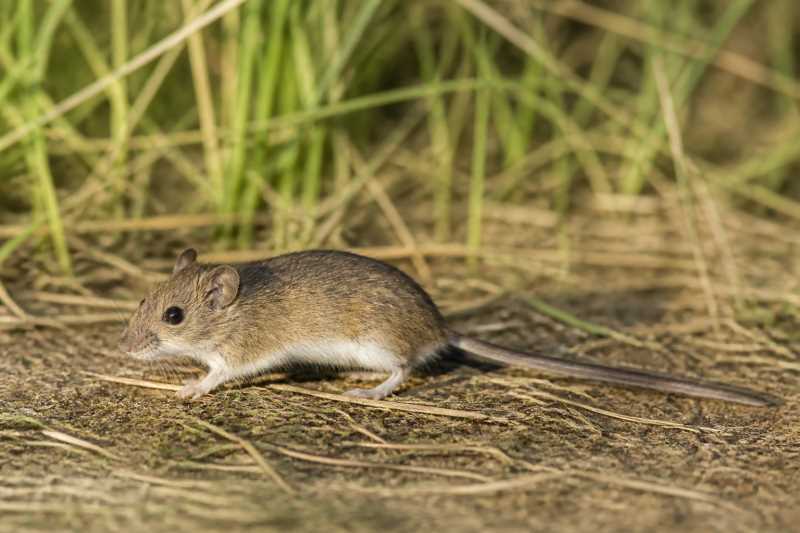
Kemp’s Grass Mouse is a small rodent, typically measuring between 8 to 12 cm in length, excluding its tail, which adds an additional 6 to 10 cm. The species is characterized by its dense, soft fur that ranges in color from shades of brown to gray, providing excellent camouflage against the grassy environments it inhabits. Its underbelly is lighter, often white or cream in color. The ears are relatively small and rounded, while their eyes are large and dark, adapting them well to nocturnal activities. Their tails are covered in short hair and are quite agile, assisting in balance and maneuverability.
Range and Habitat
Kemp’s Grass Mouse is primarily found in the southern cone of South America, with populations distributed across parts of Argentina, Uruguay, and Brazil. The species favors grasslands, marshes, and agricultural areas where there is ample cover and abundant food sources. These environments provide the necessary conditions for their foraging activities and protection from predators. The presence of water bodies near their habitat is also crucial, as it supports the vegetation they rely upon.
Behavior and Diet
Kemp’s Grass Mouse is mostly nocturnal, using the cover of darkness to forage for food and avoid predators. Its diet mainly consists of seeds, insects, and small invertebrates, making it an omnivorous species. This dietary flexibility allows it to adapt to different environmental conditions and food availability. Socially, Kemp’s Grass Mice are known to be solitary or to live in small family groups. They communicate through a series of vocalizations and scent markings, helping them establish territories and mating rights.
Identification Tips (Field Recognition Cues)
Identifying a Kemp’s Grass Mouse in the field can be challenging due to its small size and elusive nature. However, several key characteristics can aid in recognition:
- Size and Shape: Look for a small, slender rodent with a long tail.
- Fur Coloration: Note the grayish-brown fur with a lighter underbelly, which blends well with grassland environments.
- Habitat: Observations are more likely in grassy areas or near water bodies.
- Activity: Primarily nocturnal; sightings are more common at night.
Conservation Status (with Threats and Protections)
As of the most recent assessments, Kemp’s Grass Mouse is not considered to be at significant risk of extinction and is listed as "Least Concern" on the IUCN Red List. However, like many species, it faces threats from habitat loss due to agricultural expansion and urban development. Pesticide use in farming can also impact their populations by reducing their food sources or directly harming them. Conservation efforts are focused on preserving natural habitats and promoting sustainable land-use practices. Protected areas and wildlife reserves play a critical role in safeguarding their environments.
Frequently Asked Questions
What is the typical lifespan of a Kemp’s Grass Mouse?
In the wild, Kemp’s Grass Mice typically have a lifespan of about one to two years. Predation and environmental factors play significant roles in their survival rate.
How does Kemp’s Grass Mouse contribute to its ecosystem?
Kemp’s Grass Mouse contributes to its ecosystem by dispersing seeds and controlling insect populations. As prey, it also supports local predator species.
Are Kemp’s Grass Mice social creatures?
While generally solitary, Kemp’s Grass Mice can be found in small family groups. They communicate through vocalizations and scent markings.
What adaptations help Kemp’s Grass Mouse survive in its habitat?
Adaptations such as nocturnal behavior, camouflage fur, and a varied diet help Kemp’s Grass Mouse survive and thrive in its natural habitat.
How can humans help in the conservation of Kemp’s Grass Mouse?
Supporting habitat preservation and sustainable agricultural practices are key ways humans can contribute to the conservation of Kemp’s Grass Mouse populations.
Related posts