Introduction
The Cursorial Grass Mouse, scientifically known as Akodon cursor, is a fascinating mammal species belonging to the family Cricetidae. This small rodent is predominantly found in South America and is known for its adaptability to a variety of environments. As a cursorial, or running, species, it exhibits unique adaptations that make it especially interesting to mammalogists and wildlife enthusiasts alike. This article aims to provide comprehensive insights into the Cursorial Grass Mouse, covering aspects from its physical description to its conservation status.
Physical Description
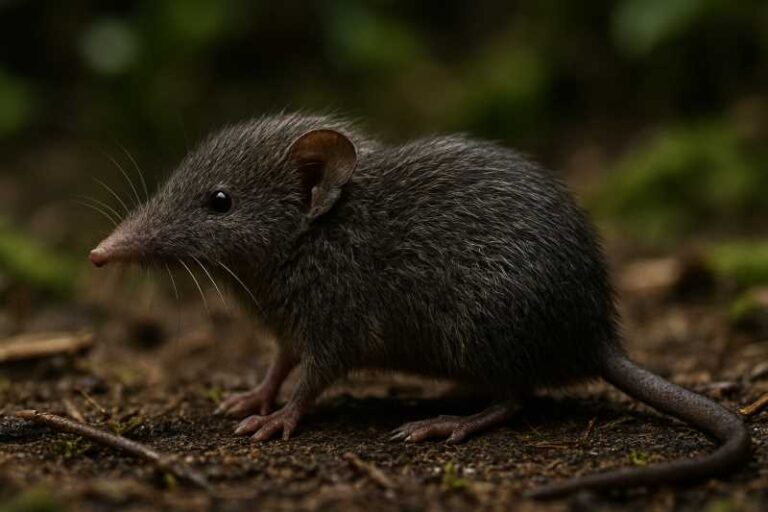
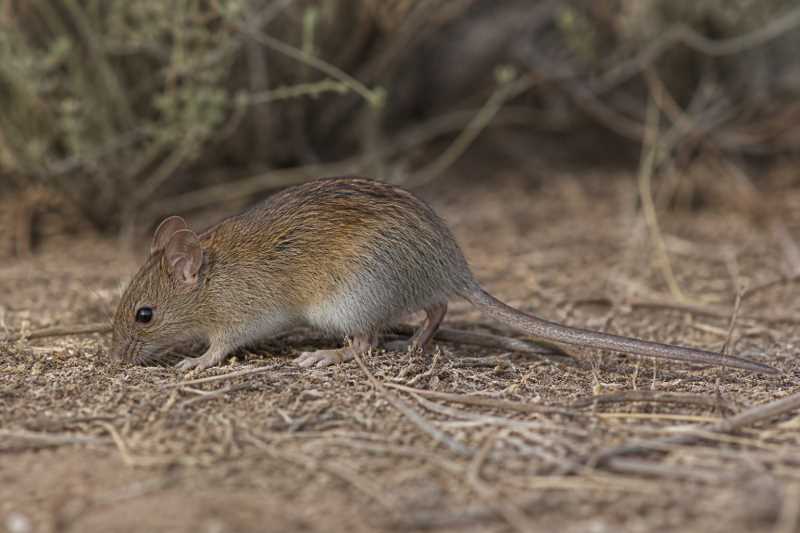
The Cursorial Grass Mouse is a small rodent, typically measuring between 9 to 12 centimeters in body length, with a tail length of approximately 6 to 10 centimeters. Its fur is generally soft and dense, providing insulation and camouflage. The dorsal side is usually a dark brown or grayish color, while the ventral side is lighter, often a pale gray or white. These color variations help the mouse blend into its grassy and forested habitats. The ears are small and rounded, aiding in minimizing heat loss, and the eyes are relatively large, which is indicative of its nocturnal lifestyle.
The feet of the Cursorial Grass Mouse are adapted for running, with strong hind limbs providing powerful thrusts. This species exhibits sexual dimorphism, with males typically being slightly larger than females. The overall morphology of the Cursorial Grass Mouse is well-suited for a life of active foraging and evading predators.
Range and Habitat
Akodon cursor is native to various regions of South America, with a range that includes parts of Brazil, Paraguay, Uruguay, and Argentina. It thrives in diverse habitats, ranging from subtropical and tropical moist lowland forests to savannas and shrublands. The adaptability of the Cursorial Grass Mouse to different environments is one of the reasons for its wide distribution.
This species is often found in areas with dense ground cover, which provides protection from predators and harsh weather conditions. It is particularly associated with grassy areas, as its common name suggests. However, it can also be found in agricultural fields, demonstrating its ability to coexist in human-altered landscapes.
Behavior and Diet
The Cursorial Grass Mouse is primarily nocturnal, engaging in most of its activities during the night. It is a solitary animal, although it may occasionally be seen in small groups. Its behavior is highly influenced by the availability of food and shelter, and it is known to be quite territorial.
The diet of Akodon cursor is omnivorous, consisting mainly of seeds, fruits, and insects. It has also been observed consuming small invertebrates and occasionally fungi. This dietary flexibility allows the Cursorial Grass Mouse to thrive in a variety of habitats, as it can exploit different food resources depending on availability.
Identification Tips
Identifying the Cursorial Grass Mouse in the field can be a rewarding experience for wildlife enthusiasts. Here are some tips to help with recognition:
- Size and Shape: Look for a small rodent with a compact body and a relatively long tail. The body length is about 9 to 12 cm, with a tail length of 6 to 10 cm.
- Color: Note the coloration, with a dark brown or grayish dorsal side and a lighter ventral side.
- Behavior: Observe nocturnal activity, as this species is primarily active at night.
- Habitat: Search in grassy and forested areas, especially in regions where dense ground cover is present.
Conservation Status
The Cursorial Grass Mouse is currently listed as a species of Least Concern by the International Union for Conservation of Nature (IUCN). This classification is due to its wide distribution and presumed large population. However, like many other species, it faces threats from habitat destruction and fragmentation, particularly due to agricultural expansion and urban development.
Conservation efforts for the Cursorial Grass Mouse involve habitat preservation and monitoring of population trends. Protected areas within its range provide some level of security, but continued vigilance is necessary to ensure that this adaptable species remains abundant in the wild.
Frequently Asked Questions
What is the natural habitat of the Cursorial Grass Mouse?
The Cursorial Grass Mouse inhabits a variety of environments, including subtropical and tropical moist lowland forests, savannas, and shrublands. It is often found in areas with dense ground cover, which offers protection and abundant food resources.
How can I identify a Cursorial Grass Mouse in the wild?
Look for a small rodent with a dark brown or grayish dorsal side and a lighter ventral side. It has a compact body, a long tail, and is primarily nocturnal, making it more active during the night.
What does the Cursorial Grass Mouse eat?
This species is omnivorous, feeding on seeds, fruits, insects, small invertebrates, and occasionally fungi. Its diet can vary based on the availability of food resources in its habitat.
Is the Cursorial Grass Mouse endangered?
Currently, the Cursorial Grass Mouse is listed as Least Concern by the IUCN due to its wide distribution and large population. However, it is still subject to threats from habitat destruction and requires ongoing conservation efforts.
Where can I find the Cursorial Grass Mouse in South America?
The Cursorial Grass Mouse can be found in parts of Brazil, Paraguay, Uruguay, and Argentina. It prefers habitats with dense ground cover, such as grassy fields and forested areas.
Related posts