Introduction
The Guafo Island Long-clawed Mouse, scientifically known as Geoxus lafkenche, is a fascinating rodent species native to Guafo Island, located off the coast of southern Chile. This unique mammal belongs to the family Cricetidae, which includes a number of small to medium-sized rodents found primarily in the Americas. The Guafo Island Long-clawed Mouse is noted for its distinct physical characteristics and plays a significant role in the island’s ecosystem. Understanding this species is crucial for conservation efforts due to its limited distribution and the growing threats to its habitat.
Physical Description
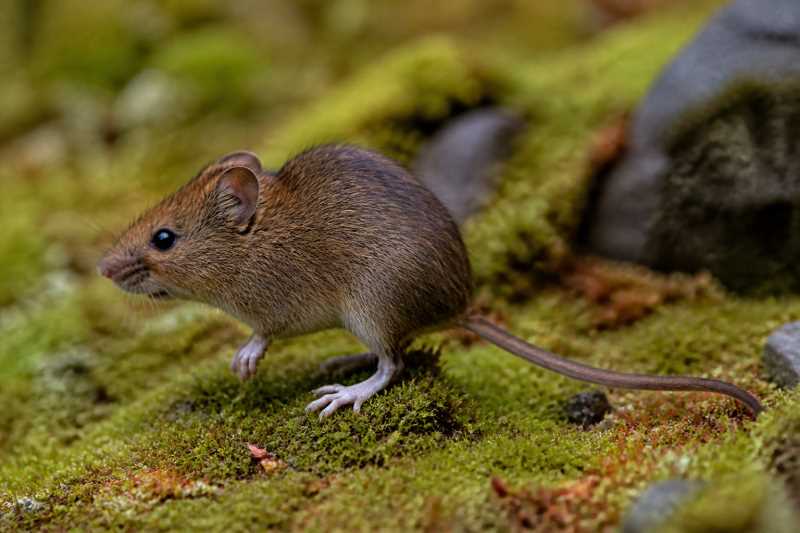
The Guafo Island Long-clawed Mouse is a small rodent, characterized by its elongated claws, which are particularly notable on its front paws. These claws are an adaptation that aids in digging and foraging in the dense undergrowth of its forest habitat. The mouse typically measures around 8 to 12 centimeters in body length, with a tail that is slightly shorter than the body. The fur of the Guafo Island Long-clawed Mouse is soft and dense, usually exhibiting a mottled brown coloration that provides excellent camouflage against the forest floor.
The mouse’s head is slightly pointed, with large, dark eyes that are well-suited for its nocturnal lifestyle. Its ears are small and rounded, often hidden by the fur, which reduces heat loss and helps in navigating through its environment. The whiskers of the Guafo Island Long-clawed Mouse are long and sensitive, assisting in detecting changes in the environment as it moves through the underbrush.
Range and Habitat
The Guafo Island Long-clawed Mouse is endemic to Guafo Island, a small island situated in the Chiloé Archipelago of southern Chile. This island provides a unique environment characterized by temperate rainforest, which is home to a diversity of flora and fauna. The forested areas of Guafo Island are lush and dense, with a thick canopy that supports a variety of plant species, such as ferns, mosses, and shrubs.
This mouse species prefers habitats that offer plenty of ground cover, which provides protection from predators and harsh weather conditions. The forest floor, covered with leaf litter and fallen branches, is ideal for foraging and nesting. The climate of Guafo Island is typically cool and wet, with frequent rainfall throughout the year, contributing to the dense vegetation that supports the Guafo Island Long-clawed Mouse’s ecological needs.
Behavior and Diet
The Guafo Island Long-clawed Mouse is primarily nocturnal, which means it is most active during the night. This behavior helps it avoid predators and take advantage of the cooler temperatures. During the day, the mouse seeks shelter in burrows or under dense vegetation, emerging at night to search for food.
Its diet consists mainly of seeds, fruits, and small invertebrates. The elongated claws are not only useful for digging but also effective in handling food items and navigating the forest terrain. The mouse plays a vital role in seed dispersal, contributing to the health of the ecosystem by aiding in the propagation of various plant species.
Socially, the Guafo Island Long-clawed Mouse is relatively solitary, although it may interact with others during the breeding season or when resources are abundant. Communication among these mice is achieved through vocalizations, scent markings, and physical gestures.
Identification Tips (Field Recognition Cues)
Identifying the Guafo Island Long-clawed Mouse in its natural habitat requires careful observation of several key characteristics:
- Long Claws: Look for the distinctively elongated claws on the front paws, which are a hallmark of the species.
- Size and Shape: Note the small size, with a body length between 8 and 12 centimeters and a proportionately shorter tail.
- Fur Coloration: The mouse has a mottled brown fur that blends seamlessly with the forest floor, providing camouflage from predators.
- Nocturnal Behavior: Observe their activity patterns; they are mostly active at night.
- Habitat: They are exclusive to Guafo Island, so any sighting outside this region may be a misidentification.
Conservation Status (with Threats and Protections)
The conservation status of the Guafo Island Long-clawed Mouse is of significant concern due to its restricted range and the increasing threats to its habitat. Currently, it is classified as Near Threatened by the International Union for Conservation of Nature (IUCN). The primary threats to this species include habitat loss due to logging and land conversion, as well as the potential impact of invasive species that could disrupt the fragile island ecosystem.
Conservation efforts are focused on protecting the natural habitat of Guafo Island and preventing further degradation. This includes implementing sustainable land management practices and monitoring the population dynamics of the species. Additionally, conservationists are working to raise awareness about the ecological importance of the Guafo Island Long-clawed Mouse and the need to preserve its habitat.
Frequently Asked Questions
Q1: What is the primary diet of the Guafo Island Long-clawed Mouse?
A1: The Guafo Island Long-clawed Mouse primarily feeds on seeds, fruits, and small invertebrates. Its diet plays a crucial role in seed dispersal within its forest habitat.
Q2: Why is the Guafo Island Long-clawed Mouse considered Near Threatened?
A2: The species is considered Near Threatened due to its limited distribution confined to Guafo Island and the threats from habitat loss and potential invasive species.
Q3: How can one identify the Guafo Island Long-clawed Mouse in the wild?
A3: Key identification features include its long claws, small size, mottled brown fur, and nocturnal activity patterns. It is exclusively found on Guafo Island.
Q4: What conservation measures are in place for the Guafo Island Long-clawed Mouse?
A4: Conservation measures include habitat protection, sustainable land management practices, and population monitoring to prevent further habitat degradation.
Q5: What role does the Guafo Island Long-clawed Mouse play in its ecosystem?
A5: The mouse aids in seed dispersal, contributing to the health and regeneration of the forest ecosystem on Guafo Island.
Related posts