Mexican Deermouse (Peromyscus mexicanus): An In-Depth Look
Introduction
The Mexican Deermouse, scientifically known as Peromyscus mexicanus, is a fascinating species of rodent that belongs to the family Cricetidae. This small mammal is native to Central America and parts of Mexico, where it thrives in a variety of habitats. Its adaptability and ecological role make it an interesting subject for both researchers and nature enthusiasts. In this article, we delve into the physical characteristics, habitat preferences, behaviors, and conservation status of the Mexican Deermouse, providing a comprehensive overview of this unique species.
Physical Description
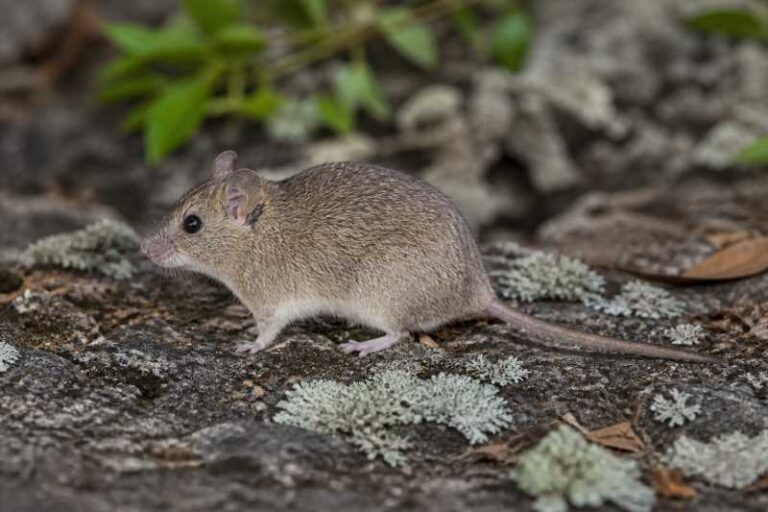
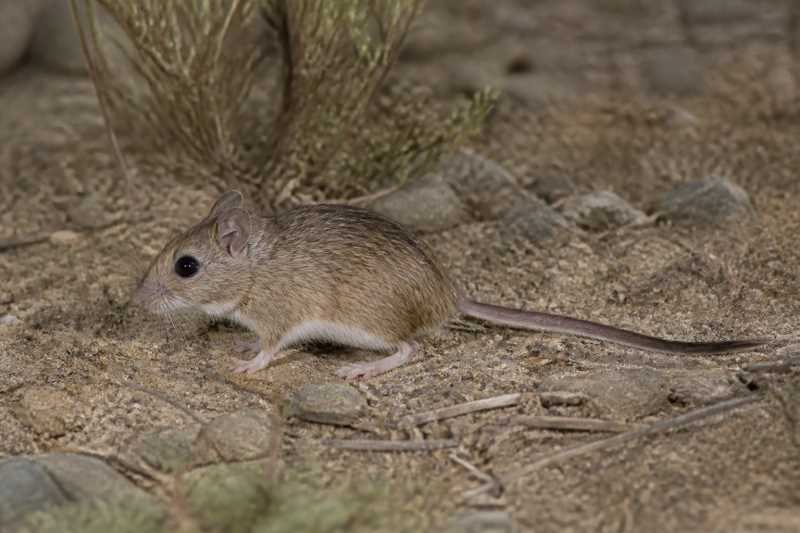
The Mexican Deermouse is a small rodent, typically measuring between 20-25 cm in total length, including its tail. It exhibits a characteristic slender body with soft, dense fur that is generally a grayish-brown color on the dorsal side, transitioning to a lighter, often whitish, hue on the ventral side. The tail is notably long, often exceeding the length of its body, and is covered with fine fur matching the body coloration.
One of the most distinguishing features of the Mexican Deermouse is its large, expressive eyes and prominent ears, which are well-adapted for nocturnal life. These features enhance its ability to navigate and forage in low-light conditions. The limbs are relatively short, but the hind legs are slightly longer, aiding in agile movement through its arboreal habitats.
Range and Habitat
The Mexican Deermouse has a broad geographic range that extends from southern Mexico through Central America, encompassing countries such as Guatemala, Honduras, Nicaragua, and Costa Rica. It inhabits a variety of environments, from lowland tropical forests to montane regions, demonstrating considerable ecological versatility.
Within these habitats, the Mexican Deermouse shows a preference for areas with dense vegetation, which offers ample cover from predators and abundant food sources. They are often found in secondary forests, where brush and understory growth provide ideal conditions for nesting and foraging. Elevationally, they can be found from sea level up to 3,000 meters, showcasing their adaptability to different climatic conditions.
Behavior and Diet
The Mexican Deermouse is predominantly nocturnal, spending daylight hours in nests constructed from leaves and other plant materials. These nests are typically situated in trees or shrubs, providing safety and concealment.
Their diet is omnivorous, consisting of a wide range of seeds, fruits, insects, and small invertebrates. This varied diet allows them to exploit different food sources throughout the year, minimizing competition and maximizing survival chances. Foraging behavior is characterized by an impressive ability to climb and navigate through trees and underbrush.
Socially, Mexican Deermice are generally solitary or form small family groups. They communicate using a range of vocalizations and scent markings, which play a crucial role in territory establishment and mate selection.
Identification Tips (Field Recognition Cues)
Identifying the Mexican Deermouse in the field can be challenging due to its similarity to other Peromyscus species. However, several key characteristics can aid in recognition:
- Size and Shape: Look for a small, slender rodent with a long tail that often exceeds its body length.
- Coloration: Note the grayish-brown dorsal fur with a lighter ventral side.
- Ears and Eyes: Large ears and eyes are indicative of its nocturnal lifestyle.
- Habitat: Spot them in dense, brushy areas within their geographic range.
- Behavior: Observe their agile climbing abilities and nocturnal foraging habits.
Conservation Status (With Threats and Protections)
As of the latest assessments, the Mexican Deermouse is listed as a species of Least Concern by the IUCN Red List. This classification is attributed to its wide distribution and presumed large population. However, like many species, it faces threats from habitat destruction due to agricultural expansion, logging, and urban development.
Conservation efforts focus on habitat protection and management, particularly in areas where deforestation rates are high. Protected areas and national parks within their range provide critical refuges for these rodents. Continued monitoring of population trends and habitat health is essential to ensure the long-term survival of the species.
Frequently Asked Questions
What is the lifespan of a Mexican Deermouse?
The average lifespan of a Mexican Deermouse in the wild is around 1 to 2 years. Factors such as predation and environmental conditions can influence longevity.
How does the Mexican Deermouse contribute to its ecosystem?
The Mexican Deermouse plays a vital role in seed dispersal and insect population control, contributing to forest regeneration and ecological balance.
Are Mexican Deermice dangerous to humans?
Mexican Deermice are not considered dangerous to humans. They are shy and avoid contact, but like any wild rodent, they can carry diseases, so direct handling is discouraged.
How can I attract Mexican Deermice to my garden?
To attract Mexican Deermice, provide a habitat with dense vegetation and a variety of native plants that offer seeds and fruits. Ensuring a safe, undisturbed environment is also crucial.
How do Mexican Deermice communicate?
Mexican Deermice use vocalizations, scent markings, and body language to communicate. These methods are essential for social interactions and territory establishment.
Related posts