Tarquinius Red-backed Vole (Anteliomys tarquinius): A Comprehensive Overview
Introduction
The Tarquinius Red-backed Vole, scientifically known as Anteliomys tarquinius, is a fascinating mammal species that has piqued the interest of biologists and wildlife enthusiasts alike. Known for its striking red dorsal stripe and pivotal role in its ecosystem, this vole species inhabits specific regions and displays unique behavioral traits. This comprehensive article delves into various aspects of the Tarquinius Red-backed Vole, including its physical description, habitat, behavior, diet, and conservation status, offering a detailed guide for anyone interested in understanding this remarkable species.
Physical Description
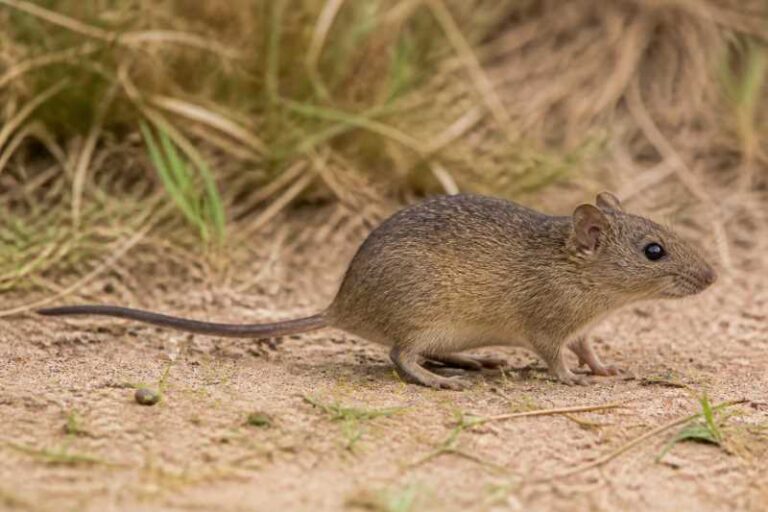
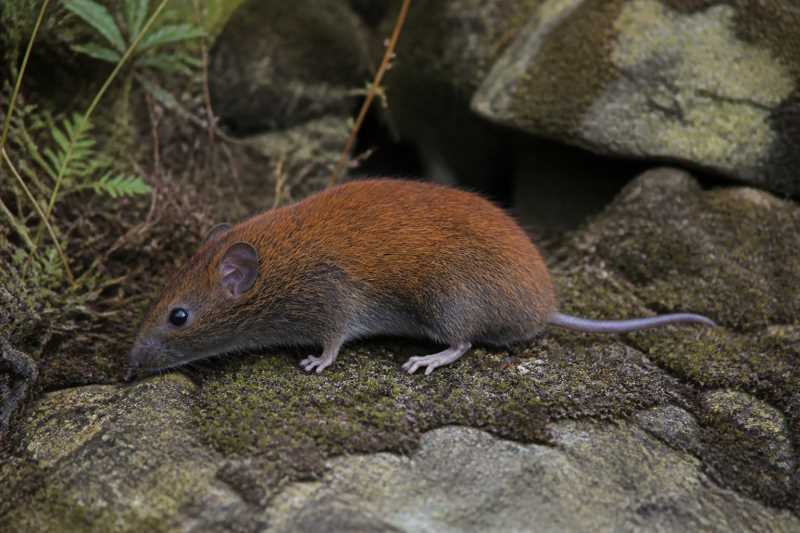
Anteliomys tarquinius is a small mammal, typically measuring between 10 to 15 centimeters in length, excluding its tail, which adds an additional 5 to 7 centimeters. A key distinguishing feature of the Tarquinius Red-backed Vole is its vibrant red-brown stripe running along its back, contrasting with its otherwise grayish-brown fur. The vole’s underbelly is usually lighter, often a shade of cream or light gray. This species has small, rounded ears and a slightly pointed snout, typical of the vole family, which aid in its foraging activities.
The Tarquinius Red-backed Vole possesses sharp incisors, adapted for gnawing through tough plant material, and its sturdy build supports its burrowing lifestyle. Its fur is dense and soft, providing insulation against cold temperatures in its natural habitat.
Range and Habitat
The Tarquinius Red-backed Vole is predominantly found in subalpine and alpine regions, favoring cool, moist environments. Its geographic range includes parts of northern Europe and Asia, thriving in forested areas with dense underbrush. The vole prefers habitats rich in grasses, shrubs, and mosses, which provide both food and shelter.
These voles are often found in coniferous forests, where they create extensive burrow systems under the forest floor. These burrows not only serve as protection from predators but also as storage for food supplies during harsh winters. The species is highly adaptable, capable of surviving in various altitudinal ranges as long as the environmental conditions remain favorable.
Behavior and Diet
The Tarquinius Red-backed Vole is primarily nocturnal, with peak activity occurring during the night. Its burrowing nature makes it elusive and difficult to spot during daylight hours. These voles are solitary creatures, except during the breeding season when they may be seen in pairs.
Their diet mainly consists of plant material, including seeds, leaves, and roots. However, they are opportunistic feeders and may also consume insects and larvae when available. The voles play a crucial role in their ecosystem by aiding in seed dispersal and contributing to soil aeration through their burrowing activities.
Identification Tips (Field Recognition Cues)
Identifying the Tarquinius Red-backed Vole in the field requires careful observation of certain physical and behavioral traits:
- Dorsal Stripe: Look for the distinctive red-brown stripe running along the back, a key identifier.
- Size and Shape: Note the small size, rounded ears, and slightly pointed snout typical of voles.
- Habitat: Check for evidence of burrows or runways in forested areas, which often indicate vole activity.
- Behavior: Observe nocturnal activity patterns and solitary behavior, except during mating season.
Conservation Status (With Threats and Protections)
The Tarquinius Red-backed Vole is currently classified as a species of least concern by the IUCN, primarily due to its wide distribution and stable population numbers. However, certain threats could impact its future, including habitat destruction due to logging and climate change.
Conservation efforts focus on preserving natural habitats and mitigating human-induced environmental changes. Protected forest areas and sustainable forestry practices are crucial for maintaining the vole’s habitat. Research initiatives aimed at understanding the species’ ecology and behavior further aid in its conservation.
Frequently Asked Questions
Q1: What do Tarquinius Red-backed Voles eat?
Tarquinius Red-backed Voles primarily feed on plant material such as seeds, leaves, and roots. They are also known to consume insects and larvae opportunistically.
Q2: Where can I find Tarquinius Red-backed Voles?
These voles are typically found in subalpine and alpine regions of northern Europe and Asia, preferring cool, moist environments within coniferous forests.
Q3: How do Tarquinius Red-backed Voles contribute to their ecosystem?
They play a vital role in seed dispersal and soil aeration, which supports plant growth and maintains soil health. Their burrowing activities also create habitats for other small creatures.
Q4: Are Tarquinius Red-backed Voles endangered?
No, they are classified as a species of least concern, but ongoing habitat protection is essential to ensure their continued stability.
Q5: How can I identify a Tarquinius Red-backed Vole?
Look for the distinctive red-brown dorsal stripe, small size, rounded ears, and pointed snout. Observing their nocturnal activity and solitary nature can also aid identification.
Related posts