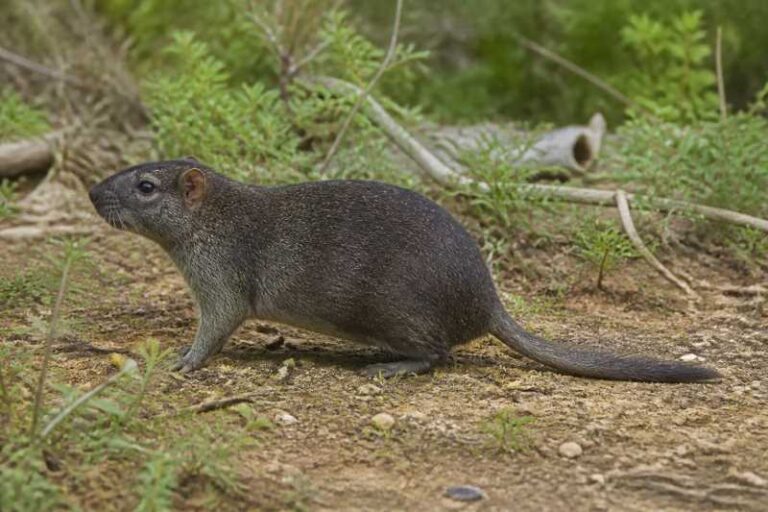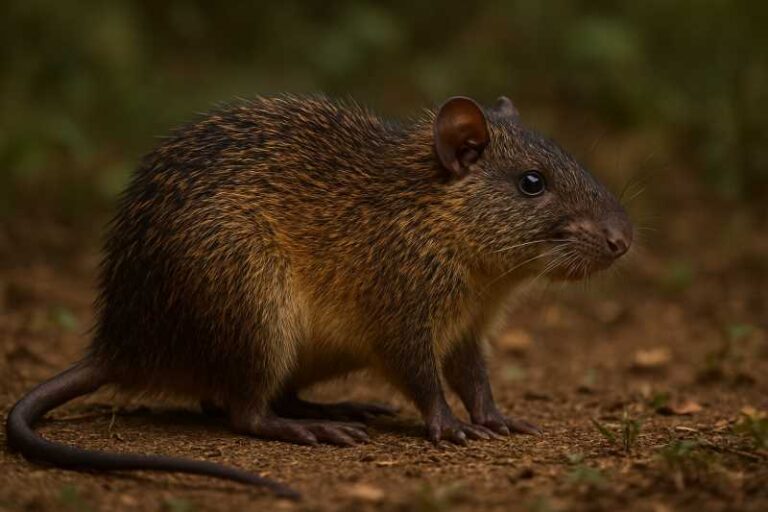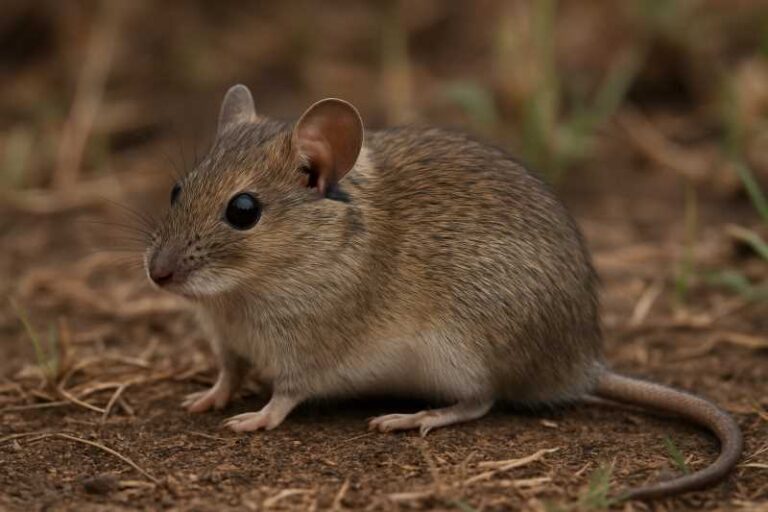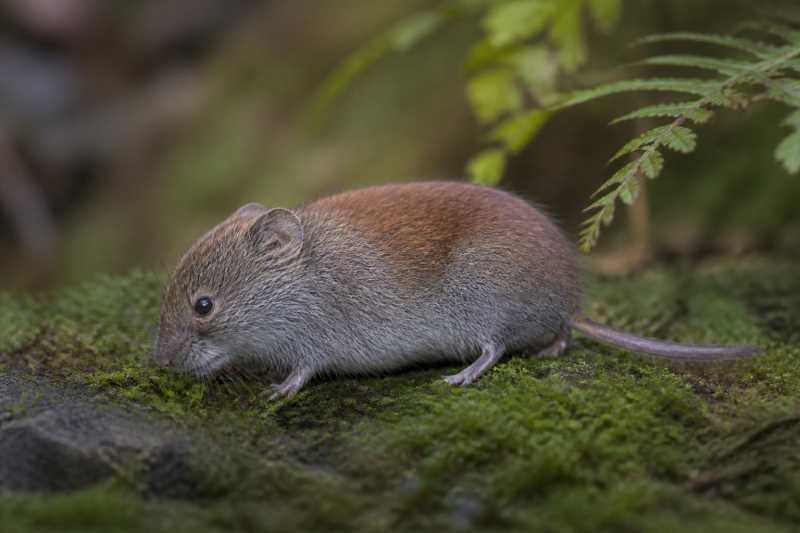
Sichuan Red-backed Vole (Anteliomys chinensis)
Introduction
The Sichuan Red-backed Vole, scientifically known as Anteliomys chinensis, is a small mammal belonging to the family Cricetidae. This elusive species is native to the mountainous regions of China, particularly in Sichuan province. As a member of the vole family, it plays a critical role in the ecosystem by influencing soil composition and serving as both predator and prey in the food chain. Despite its ecological significance, the Sichuan Red-backed Vole remains understudied, leaving gaps in our understanding of its life history and conservation needs.
Physical Description
The Sichuan Red-backed Vole is characterized by its compact, robust body and rounded snout. Adult voles typically measure between 10 to 14 centimeters in length, with a tail that adds an additional 2 to 4 centimeters. The species is named for its distinctive reddish-brown fur that covers its back, contrasting sharply with the grayish-white fur on its underbelly. This coloration provides excellent camouflage against the forest floor, protecting it from predators. Its small, rounded ears and eyes are adapted for its subterranean lifestyle, while its short limbs are equipped with sharp claws suitable for digging.
Range and Habitat
The Sichuan Red-backed Vole is endemic to the high-altitude regions of central China, with its distribution primarily confined to the Sichuan province. It inhabits temperate coniferous and mixed forests, often found in areas with dense understory vegetation. These environments offer ample cover and food resources. The vole thrives at elevations ranging from 1,500 to 3,000 meters, where cooler temperatures and abundant foliage create an ideal habitat. The species is known to construct complex burrow systems, which provide shelter and breeding sites.
Behavior and Diet
The Sichuan Red-backed Vole is primarily nocturnal, exhibiting peak activity during the early morning and late evening hours. Its behavior is largely solitary, except during the breeding season when males and females interact briefly for mating. The vole’s diet consists mainly of plant material, including seeds, foliage, roots, and occasional fruits. Its feeding habits contribute to seed dispersal and soil aeration, enhancing forest regeneration. The vole’s natural predators include birds of prey, small mammals, and snakes, against which it relies on its burrowing skills and camouflage for protection.
Identification Tips
Identifying the Sichuan Red-backed Vole in the field requires attention to several key characteristics. Look for:
- Size and Shape: Small, rounded body with a short tail.
- Coloration: Reddish-brown back with a grayish-white underside.
- Habitat: Found in dense forest undergrowth at high altitudes.
- Behavior: Active mainly at night; look for signs of burrows and feeding activity.
- Tracks and Signs: Small footprints and droppings near burrow entrances.
Conservation Status
The conservation status of the Sichuan Red-backed Vole is currently listed as "Least Concern" by the International Union for Conservation of Nature (IUCN). However, the species faces potential threats from habitat destruction due to logging and agricultural expansion. Climate change also poses a risk by altering the vole’s habitat conditions. Efforts to protect this species include habitat preservation and monitoring population trends to detect any shifts in its conservation status. Establishing protected areas in key habitats and promoting sustainable forest management practices are essential for safeguarding the vole’s future.
Frequently Asked Questions
What is the primary diet of the Sichuan Red-backed Vole?
The Sichuan Red-backed Vole primarily feeds on plant materials, including seeds, foliage, roots, and fruits. Its diet helps in seed dispersal and soil aeration.
Where can the Sichuan Red-backed Vole be found?
This vole is native to central China, specifically the Sichuan province, and is found in high-altitude temperate coniferous and mixed forests.
How does the Sichuan Red-backed Vole contribute to its ecosystem?
The vole plays a crucial role by dispersing seeds and aerating the soil through its burrowing activities, which support forest regeneration and ecosystem health.
What threats does the Sichuan Red-backed Vole face?
Threats include habitat destruction from logging and agriculture, as well as climate change impacting its natural habitat.
How can we protect the Sichuan Red-backed Vole?
Protection strategies include preserving natural habitats, promoting sustainable forest management, and monitoring populations to ensure long-term conservation.
Related posts