Introduction
Smith’s Red-backed Vole (Craseomys smithii) is a fascinating small mammal belonging to the Cricetidae family. This species, known for its distinctive reddish fur, is an integral part of the ecosystem it inhabits. Despite its small size, Smith’s Red-backed Vole plays a significant role in forest ecology, aiding in seed dispersal and serving as prey for various predators. This article delves into the intricate details of Smith’s Red-backed Vole, exploring its physical characteristics, habitat preferences, behavior, and conservation status.
Physical Description
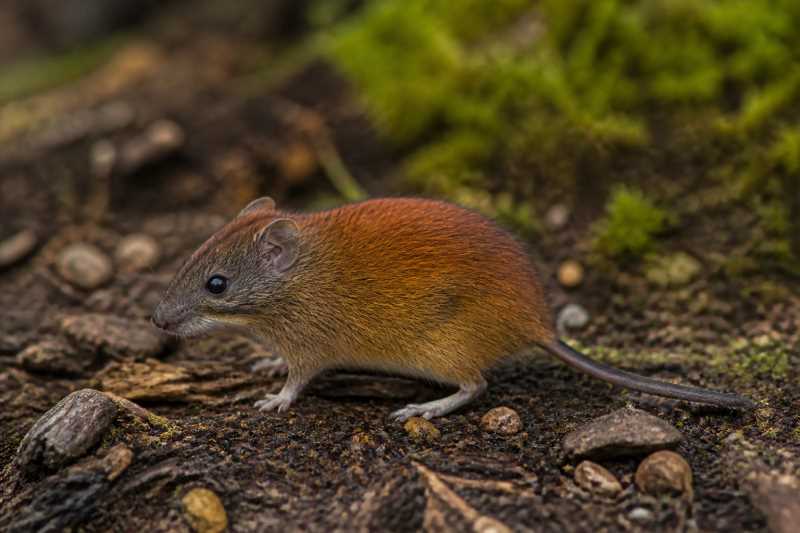
Smith’s Red-backed Vole is a small rodent, measuring approximately 12 to 16 centimeters in length, including a short tail that constitutes about a third of its total length. It is characterized by its soft, dense fur, which is predominantly reddish-brown on its back, hence the name "red-backed." The belly is typically grayish-white, providing a stark contrast to its vibrant dorsal coloration.
The vole’s ears are small and partially hidden by fur, while its eyes are relatively small and beady, adapted for its low-light environment. Its limbs are short, but equipped with strong claws suitable for digging and foraging through leaf litter.
Range and Habitat
Smith’s Red-backed Vole is primarily found in the forests of East Asia, with a range extending across Japan, including Honshu, Shikoku, and Kyushu islands. These voles prefer cool, moist environments, thriving in dense undergrowth where they can find ample food and cover from predators.
Their habitat includes deciduous and coniferous forests, where they create complex burrow systems. These burrows offer protection from predators and harsh weather conditions, and they also serve as storage for food supplies. The vole’s preference for moist environments often leads them to areas near streams and rivers, where the soil is soft and digging is easier.
Behavior and Diet
Smith’s Red-backed Voles are primarily nocturnal, spending the day hidden in their burrows and becoming active at dusk. This nocturnal behavior helps them avoid daytime predators. They are solitary creatures, only coming together during the breeding season.
Their diet is omnivorous, though primarily herbivorous, consisting of seeds, fruits, leaves, and fungi. Occasionally, they may consume insects and small invertebrates. The vole’s feeding habits play a crucial role in the ecosystem, aiding in seed dispersal and the decomposition process.
Identification Tips
Identifying Smith’s Red-backed Vole in the field can be challenging due to its small size and nocturnal nature. However, several cues can aid in recognition:
- Reddish Dorsal Fur: Look for the distinct reddish-brown fur on the vole’s back, a key characteristic for identification.
- Size and Shape: Note the compact body, short tail, and small ears.
- Habitat: Search in dense forest undergrowth, especially near water sources.
- Activity Time: Spotting is more likely at dusk or nighttime when the vole is active.
- Burrow Systems: Look for small, intricate burrow entrances in soft soil.
Conservation Status
Currently, Smith’s Red-backed Vole is not listed as an endangered species, but it faces several threats that may impact its populations. Habitat destruction due to deforestation and urbanization is the primary threat to their survival, as it reduces the availability of suitable habitats.
Climate change also poses a significant threat, potentially altering the vole’s habitat and food availability. Conservation efforts focus on habitat preservation and restoration, ensuring that these voles have the necessary environment to thrive.
In terms of protections, the vole benefits from conservation areas and national parks in Japan, where forest management practices aim to preserve the natural habitats.
Frequently Asked Questions
What is the natural habitat of Smith’s Red-backed Vole?
Smith’s Red-backed Vole inhabits the forests of East Asia, particularly in Japan. They prefer cool, moist environments with dense undergrowth, often near streams or rivers.
How can you identify Smith’s Red-backed Vole?
Identifying this vole involves looking for its reddish-brown dorsal fur, small size, and habitat preferences. They are often found in dense forest areas and are active during dusk and nighttime.
What threats do Smith’s Red-backed Voles face?
The primary threats include habitat destruction due to deforestation and urbanization, as well as climate change impacts. These factors can significantly affect their habitat and food resources.
Are Smith’s Red-backed Voles endangered?
While not currently endangered, Smith’s Red-backed Voles face threats that could impact their populations, emphasizing the need for continued conservation efforts.
What role do Smith’s Red-backed Voles play in the ecosystem?
They are crucial for seed dispersal and the decomposition process, and they serve as prey for various predators, maintaining ecological balance.
Related posts