Tuva Mountain Vole (Alticola tuvinicus): A Comprehensive Guide
Introduction
The Tuva Mountain Vole (Alticola tuvinicus) is a small rodent species native to the mountainous regions of Central Asia. Known for its adaptability to harsh climates, this vole plays a crucial role in its ecosystem. Despite its diminutive size, the Tuva Mountain Vole is an essential part of the ecological community, serving as both prey and seed disperser. In this article, we delve into the unique characteristics of this species, exploring its physical description, habitat, behavior, and conservation status.
Physical Description
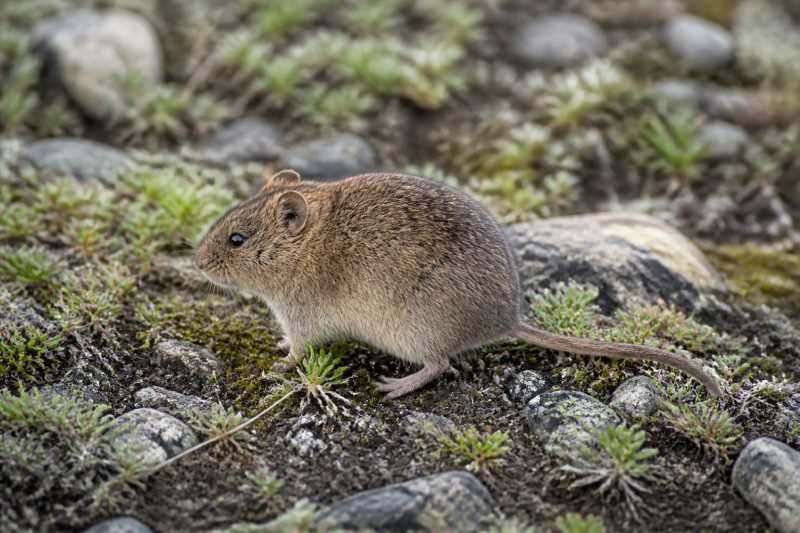
The Tuva Mountain Vole is characterized by its compact and robust body, measuring approximately 10 to 13 centimeters in length, with a tail adding an additional 3 to 5 centimeters. Its fur is dense and soft, providing insulation against the cold temperatures of its mountainous habitat. The coloration ranges from a grayish-brown on the dorsal side to a lighter gray or white on the ventral side, aiding in camouflage among rocky terrains.
The vole’s head is rounded with small, rounded ears, which are often barely visible due to the thick fur. Its eyes are small and beady, adapted to low-light conditions. The legs are short but strong, designed for digging and navigating through rocky substrates. Their claws are sharp, aiding in burrowing activities and foraging.
Range and Habitat
The Tuva Mountain Vole inhabits the rugged terrains of the Altai Mountains, spanning across parts of Russia, Mongolia, and China. This region is characterized by its alpine meadows, rocky outcrops, and sparse vegetation, which the vole has expertly adapted to exploit. The elevation range for this species typically falls between 1,500 and 3,000 meters, where they are less likely to encounter predators.
Their habitats are often marked by complex burrow systems, which they use for shelter, storage, and raising their young. These burrows provide protection from predators and harsh weather conditions, particularly during the cold winter months.
Behavior and Diet
Tuva Mountain Voles are primarily nocturnal, though they may exhibit some diurnal activity during the warmer months. They are known for their social nature, often found in colonies that provide mutual benefits such as increased vigilance against predators and shared warmth.
The diet of the Tuva Mountain Vole is herbivorous, consisting of grasses, seeds, and roots. They have a particular preference for alpine plants, which they forage for during the short summer months and store for the winter. Their foraging behavior plays a crucial role in seed dispersal, thus contributing to the ecological balance of their habitat.
Identification Tips
Identifying the Tuva Mountain Vole in the field involves recognizing several key features:
- Size and Shape: Look for a small rodent with a compact, stocky body and a relatively short tail.
- Fur Color: Note the grayish-brown fur on the back and lighter coloring on the underside.
- Habitat: These voles are often found in rocky alpine areas, particularly in burrow systems.
- Behavior: Observe for nocturnal activity and social interactions within colonies.
Conservation Status
The Tuva Mountain Vole is currently listed as a species of Least Concern by the International Union for Conservation of Nature (IUCN). However, there are potential threats that could impact their populations in the future. Habitat destruction due to mining and tourism, along with climate change, poses significant risks.
Protection measures include monitoring population trends and preserving their natural habitats. Efforts are also directed towards educating local communities on the vole’s ecological importance, promoting sustainable land-use practices.
Frequently Asked Questions
- What is the primary diet of the Tuva Mountain Vole?
The Tuva Mountain Vole primarily feeds on alpine grasses, seeds, and roots. Their herbivorous diet plays a crucial role in seed dispersal, aiding in plant regeneration.
- How do Tuva Mountain Voles adapt to cold climates?
They adapt through their dense, insulating fur and by constructing extensive burrow systems that provide shelter and warmth during extreme weather conditions.
- What threats do Tuva Mountain Voles face?
Threats include habitat destruction from human activities such as mining and the potential impacts of climate change on their alpine ecosystems.
- How can you identify a Tuva Mountain Vole in the wild?
Look for their small, stocky bodies, grayish-brown fur, and presence in rocky alpine habitats. Observing nocturnal activity and social behavior can also aid in identification.
- Why are Tuva Mountain Voles important to the ecosystem?
They are vital for seed dispersal and serve as prey for various predators, thus contributing to the ecological balance of their mountainous habitat.
Related posts