Introduction
Middendorff’s Vole, scientifically known as Alexandromys middendorffii, is a fascinating mammal species that inhabits some of the most remote and cold regions of the world. Named after the German naturalist and explorer Alexander Theodor von Middendorff, this vole species is a vital component of its ecosystem, playing a key role in the food web. This article delves deep into the intricacies of Middendorff’s Vole, covering everything from its physical characteristics to its conservation status.
Physical Description
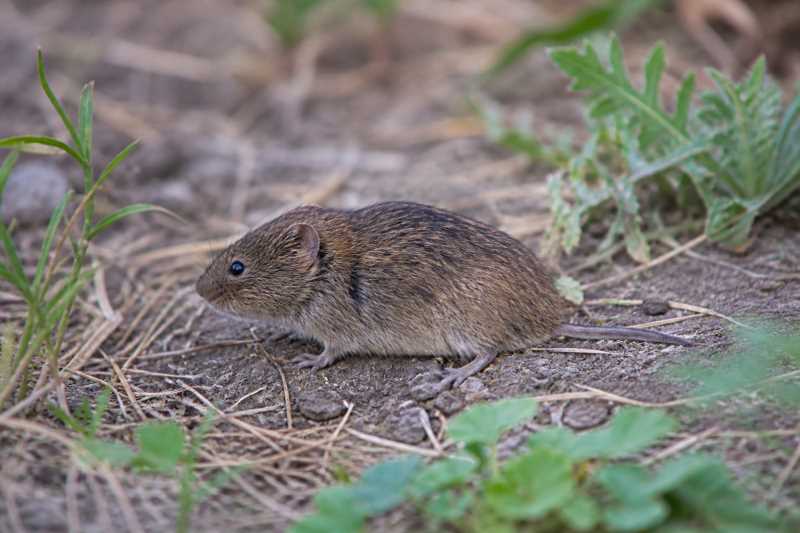
Middendorff’s Vole is a small rodent, typically measuring between 12 to 15 centimeters in length, with a tail that is relatively short compared to its body, usually about 3 to 4 centimeters long. This vole has a compact and sturdy body adapted to cold environments, with thick fur that provides insulation during harsh winters. The fur color ranges from a light brown to a darker, more rufous hue, which helps the vole blend into its surroundings, a crucial adaptation for avoiding predators.
The vole’s ears are small and rounded, often hidden within its fur, and its eyes are beady and dark. The feet of Middendorff’s Vole are well-adapted for digging, with sharp claws that aid in burrowing activities.
Range and Habitat
Middendorff’s Vole is primarily found in the Palearctic region, with a range that extends across parts of Siberia, from the Ural Mountains to the Kamchatka Peninsula, and into some northern areas of Mongolia and China. The species is well-adapted to cold climates and is typically found in tundra and forest-tundra zones.
These voles prefer habitats with dense vegetative cover, such as grasslands and marshy areas, which provide both food resources and protection from predators. Their burrowing activities are an important ecological function, as they aerate the soil and contribute to the health of their habitat.
Behavior and Diet
Middendorff’s Vole is primarily a herbivore, feeding on a diet that includes grasses, sedges, and other herbaceous plants. During the summer months, they are particularly active, gathering and storing food to sustain themselves through the winter.
These voles are known for their complex social structures and communication skills. Living in colonies, they exhibit behaviors that suggest a high level of social organization. They communicate through vocalizations, scent marking, and physical gestures, which are critical for maintaining social hierarchies and for mating.
Identification Tips (field recognition cues)
Identifying Middendorff’s Vole in the wild can be challenging due to its elusive nature and the remote habitats it occupies. However, there are several key characteristics that can aid in identification:
- Size and Shape: Look for a small rodent with a compact, rounded body.
- Fur Color: Note the vole’s fur, which can range from light brown to rufous, providing excellent camouflage.
- Tail Length: Observe the relatively short tail, which is a distinguishing feature compared to other vole species.
- Habitat: Consider the location; Middendorff’s Vole is typically found in cold, tundra-like environments.
Conservation Status (with threats and protections)
As of the latest assessments, Middendorff’s Vole is not currently listed as threatened or endangered. However, like many species in the Arctic and subarctic regions, it faces potential threats from climate change, habitat degradation, and human encroachment.
Climate change poses a significant threat by altering the vole’s natural habitat. Rising temperatures can lead to changes in vegetation patterns, which may affect food availability. Additionally, human activities such as mining and infrastructure development can lead to habitat loss and fragmentation.
To protect Middendorff’s Vole, conservation efforts focus on preserving its natural habitat and mitigating the impacts of climate change. Protected areas and wildlife reserves play a crucial role in ensuring the survival of this species.
Frequently Asked Questions
What does Middendorff’s Vole eat?
Middendorff’s Vole primarily feeds on grasses, sedges, and various herbaceous plants. During the warmer months, they gather and store food to sustain themselves through the winter.
Where can Middendorff’s Vole be found?
This vole species is found across the Palearctic region, particularly in Siberia, northern Mongolia, and parts of China. They inhabit tundra and forest-tundra zones.
How does climate change affect Middendorff’s Vole?
Climate change can alter the vole’s habitat by changing vegetation patterns, which impacts food availability. It can also lead to habitat loss due to increased human activities in these regions.
What are the physical characteristics of Middendorff’s Vole?
Middendorff’s Vole is a small rodent with a compact body, short tail, and fur that ranges from light brown to rufous, which helps it blend into its environment.
Are Middendorff’s Voles social animals?
Yes, they exhibit complex social behaviors and live in colonies. They communicate through vocalizations and scent marking to maintain social structures.
Related posts