Introduction
The White-bellied Marsh Rice Rat, scientifically known as Oryzomys albiventer, is a fascinating species that captivates researchers and wildlife enthusiasts alike. This mammal is an integral component of its ecosystem, playing a significant role in the biodiversity of the regions it inhabits. Despite its seemingly inconspicuous presence, the White-bellied Marsh Rice Rat has unique characteristics and behaviors that are crucial to understanding its ecological niche. This article delves into the various aspects of this interesting species, from its physical description and habitat preferences to its behavior, diet, and conservation status.
Physical Description
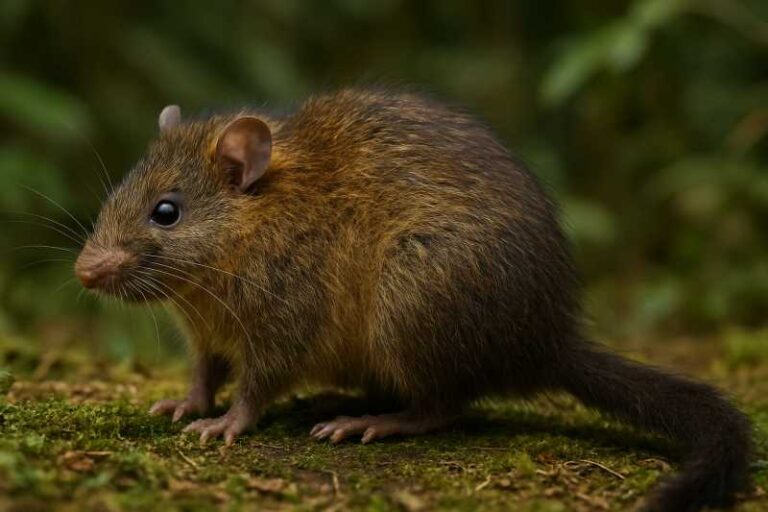
The White-bellied Marsh Rice Rat is a medium-sized rodent, exhibiting distinct morphological features that aid in its identification. This species typically measures between 20 to 30 centimeters in length, including its tail, which accounts for nearly half of its total length. The fur is generally soft and dense, with a coloration that ranges from grayish-brown to darker shades on the dorsal side, while the ventral side is characteristically white, hence the name "White-bellied."
The tail of the White-bellied Marsh Rice Rat is typically bicolored, with a darker top and lighter underside. This feature, along with their relatively large ears and long whiskers, aids in their sensory perception. Their feet are adapted for a semi-aquatic lifestyle, showcasing slight webbing that aids in swimming. Furthermore, their eyes are relatively small, an adaptation common in species that thrive in dense vegetation and require keen senses for nocturnal activities.
Range and Habitat
Oryzomys albiventer is primarily found in marshes and wetland areas across parts of Central and South America. Their range extends from southern Mexico through various Central American countries, reaching into northern South America. These rats are highly adapted to humid environments, often residing in swamps, marshes, and along riverbanks where dense vegetation provides ample cover and resources.
Their choice of habitat is influenced by the availability of water and food resources, which are abundant in marshy and wetland ecosystems. The dense foliage and complex terrain of these habitats offer protection from predators and human disturbances, allowing the White-bellied Marsh Rice Rat to thrive.
Behavior and Diet
The White-bellied Marsh Rice Rat is primarily nocturnal, engaging in most of its activities under the cover of darkness. This behavior reduces the risk of predation and allows for cooler foraging conditions. Socially, they are relatively solitary animals, although some interactions may occur during mating seasons or when food is abundant.
Their diet is omnivorous, consisting of a variety of plant materials, seeds, and small invertebrates. They are opportunistic feeders, adapting their diet based on seasonal availability and the specific resources present in their habitat. The ability to consume a diverse range of food items is advantageous, allowing the White-bellied Marsh Rice Rat to survive in fluctuating environmental conditions.
Identification Tips
Field recognition of the White-bellied Marsh Rice Rat can be challenging due to its elusive nature and preference for dense habitats. However, there are several key identification cues that can assist wildlife observers:
- Coloration: Look for the distinctive white belly contrasting with the darker dorsal fur. This bicolored pattern is a hallmark of the species.
- Tail Features: The tail is relatively long and bicolored, which can be a useful distinguishing feature from other sympatric rodent species.
- Habitat: Focus on marshy or wetland areas, particularly where dense vegetation is prevalent.
- Activity Timing: Conduct observations during the nighttime, as this is when the species is most active.
Conservation Status
The conservation status of the White-bellied Marsh Rice Rat is not currently well-documented, as it is often overlooked in ecological studies. However, like many species dependent on wetland habitats, they face potential threats from habitat destruction and environmental changes.
Threats:
- Habitat Destruction: The draining of wetlands for agricultural expansion and urban development poses a significant threat to their natural habitats.
- Pollution: Runoff from agricultural lands can lead to pollution in wetlands, affecting the quality of the habitat and the health of the species.
- Climate Change: Alterations in climate patterns can affect water levels in marshes and wetlands, impacting the availability of resources.
Protections:
Efforts to conserve wetland habitats through protected areas and sustainable land management practices are essential for the preservation of the White-bellied Marsh Rice Rat. Additionally, raising awareness about the ecological importance of wetlands can help drive conservation initiatives.
Frequently Asked Questions
- What do White-bellied Marsh Rice Rats eat?
White-bellied Marsh Rice Rats have an omnivorous diet, consuming plant materials, seeds, and small invertebrates. Their diet is flexible, adapting to the availability of resources in their marshy habitats.
- Where can I find the White-bellied Marsh Rice Rat?
These rats are found in marshes and wetlands across Central and South America, from southern Mexico to northern South America. Dense vegetation and proximity to water bodies are key habitat features.
- How do White-bellied Marsh Rice Rats adapt to their environment?
They have physical adaptations like slightly webbed feet for swimming and sensory adaptations for nocturnal activity. Their flexible diet and ability to thrive in dense vegetation also support their survival.
- Are White-bellied Marsh Rice Rats endangered?
The conservation status is not well-documented, but they face threats from habitat destruction and environmental changes. Efforts to conserve wetlands can aid in their protection.
- How can I identify a White-bellied Marsh Rice Rat in the field?
Look for their distinctive white belly, bicolored tail, and listen for nocturnal activity in marshy, densely vegetated areas. Observations are best made at night.
Related posts