Introduction
The Overlook Spiny Pocket Mouse, scientifically known as Heteromys catopterius, is a curious and lesser-known member of the Heteromyidae family. Found primarily in select regions of Venezuela, this species is of particular interest to researchers due to its unique adaptations and ecological significance. As an integral component of the ecosystem, the Overlook Spiny Pocket Mouse plays a crucial role in seed dispersal and soil aeration, contributing to the health of its habitat. In this comprehensive article, we explore the physical characteristics, habitat, behaviors, and conservation status of this intriguing rodent, offering a detailed guide to understanding and identifying Heteromys catopterius.
Physical Description
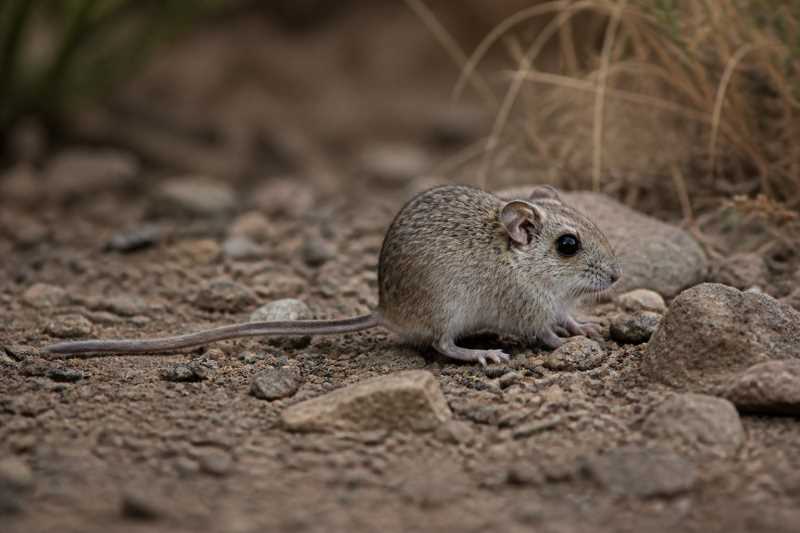
The Overlook Spiny Pocket Mouse is a small rodent, typically measuring between 12 to 16 centimeters in body length, with a tail that can extend an additional 10 to 14 centimeters. Its weight ranges from 50 to 80 grams, making it a nimble and agile creature. One of the most distinctive features of this species is its fur, which is coarse and spiny, providing a degree of protection against predators. The coloration of the fur is generally a blend of brown and gray on the dorsal side, with a lighter, creamy underbelly. The ears are small and rounded, while the eyes are large, adapted for nocturnal activity. The mouse has strong hind legs, which it uses effectively for jumping and quick escapes.
The spiny texture of its fur is not just for defense; it also plays a role in thermoregulation, helping the mouse to manage heat in its warm, tropical habitat. Another notable characteristic is its cheek pouches, which are fur-lined and used for carrying food back to its burrow.
Range and Habitat
Heteromys catopterius is endemic to the northern regions of Venezuela, particularly thriving in the cloud forests and montane environments. These habitats, characterized by high humidity and moderate temperatures, provide the ideal conditions for the species. The mouse is typically found at elevations ranging from 500 to 2,000 meters above sea level, where dense vegetation offers ample food sources and protection.
The cloud forests are rich in biodiversity, and the Overlook Spiny Pocket Mouse shares its habitat with a variety of other mammals, birds, and reptiles. The dense canopy and abundant undergrowth create a complex ecosystem where this mouse can efficiently forage and avoid predators. As a nocturnal species, it primarily occupies burrows during the day, emerging at night to feed and perform other activities.
Behavior and Diet
The behavioral patterns of the Overlook Spiny Pocket Mouse are largely shaped by its nocturnal lifestyle. It is primarily active during the night, using its keen sense of hearing and smell to navigate the darkness. This species is solitary, with individuals typically occupying their own burrows and foraging territories.
The diet of Heteromys catopterius is omnivorous, but it has a particular preference for seeds and fruits, making it an important seed disperser in its ecosystem. It also consumes insects and small invertebrates, which provide necessary proteins and nutrients. The mouse uses its forelimbs to dig and its cheek pouches to transport food, often storing excess supplies in its burrow for future consumption.
Identification Tips (Field Recognition Cues)
Identifying the Overlook Spiny Pocket Mouse in its natural habitat can be challenging due to its elusive nature and nocturnal habits. However, there are several field recognition cues that can aid in identification:
- Fur Texture and Coloration: Look for the distinctive spiny fur that is brown and gray on the back with a lighter underbelly.
- Size and Build: Note the mouse’s small size, long tail, and strong hind legs designed for jumping.
- Behavior: Observe nocturnal activity patterns and solitary behavior.
- Cheek Pouches: The presence of fur-lined cheek pouches is a characteristic feature.
- Habitat Preference: Focus on cloud forest and montane regions at elevations between 500 to 2,000 meters.
Conservation Status (with Threats and Protections)
Currently, the Overlook Spiny Pocket Mouse is not listed as endangered, but it faces several threats that could impact its population in the future. Habitat destruction, due to deforestation and agricultural expansion, poses the most significant risk. Climate change also threatens to alter the delicate balance of the cloud forest ecosystem, potentially affecting the availability of food and suitable living conditions.
Conservation efforts are crucial to protect the natural habitat of Heteromys catopterius. Protected areas and reserves in Venezuela help safeguard portions of the cloud forests, and ongoing research aims to better understand the ecological role and needs of this species. Raising awareness about the importance of preserving these habitats is essential for the long-term survival of the Overlook Spiny Pocket Mouse.
Frequently Asked Questions
What is the primary diet of the Overlook Spiny Pocket Mouse?
The Overlook Spiny Pocket Mouse primarily feeds on seeds and fruits but also consumes insects and small invertebrates to supplement its diet.
Where can the Overlook Spiny Pocket Mouse be found?
This species is found in the cloud forests and montane regions of northern Venezuela, at elevations ranging from 500 to 2,000 meters.
How does the Overlook Spiny Pocket Mouse contribute to its ecosystem?
As a seed disperser, the mouse plays a critical role in plant propagation and maintaining the health of its habitat. It also helps in soil aeration through its burrowing activities.
What are the main threats to the Overlook Spiny Pocket Mouse?
The main threats include habitat destruction due to deforestation and agricultural expansion, as well as the impacts of climate change on its natural environment.
How can one identify the Overlook Spiny Pocket Mouse in the wild?
Key identification features include its spiny fur, small size, nocturnal behavior, and the presence of cheek pouches. Observers should search in appropriate habitats at the correct elevations.
Related posts