Introduction
The Colorado Chipmunk, scientifically known as Neotamias quadrivittatus, is a small, agile rodent predominantly found in the mountainous regions of Colorado and neighboring states. These chipmunks are a part of the Sciuridae family and are recognized for their distinctive stripes and lively behavior. As a key species in their ecosystem, Colorado Chipmunks contribute to seed dispersion and serve as prey for various predators. This article delves into their physical characteristics, habitat preferences, behavioral patterns, and conservation status, offering comprehensive insights into the life of these fascinating mammals.
Physical Description
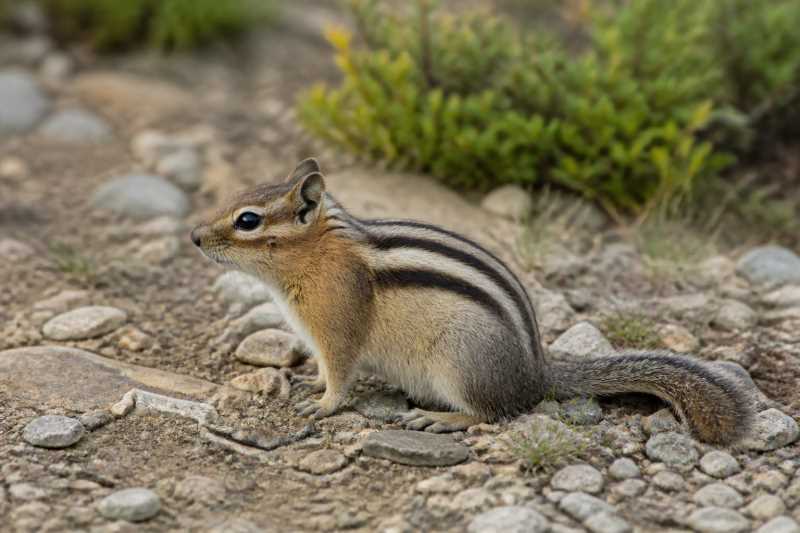
Colorado Chipmunks are small in stature, typically measuring between 8 to 10 inches in length, including their tail. They weigh approximately 2 to 3 ounces. Their fur is a blend of grayish-brown with distinctive dark and light stripes running down their backs, aiding in camouflage among the forest floor’s dappled light and shadows. The stripes are one of their most identifiable features, with three dark stripes and two lighter ones in between. Their cheeks are often puffed up, as they use cheek pouches to store food. Their large eyes and small, rounded ears are adapted to detect predators, making them keenly alert creatures.
The tail of the Colorado Chipmunk is bushy and serves as a balancing tool when they navigate through their rocky and uneven habitats. Their claws are sharp and curved, ideal for climbing trees and digging burrows, which are essential for their survival.
Range and Habitat
The Colorado Chipmunk primarily inhabits the Rocky Mountains in the United States, with a range extending through Colorado, Utah, New Mexico, and Wyoming. These chipmunks prefer montane environments, often found at elevations ranging from 6,000 to 11,000 feet. They thrive in coniferous forests, mixed woodlands, and brushy areas where they can find ample cover and food resources.
Their habitats are characterized by rocky outcrops and dense understories, which provide the necessary shelter and nesting sites. Colorado Chipmunks are also known to inhabit areas with ample sunlight, which aids in their thermoregulation. Seasonal variations in their habitat can influence their activity levels, with these chipmunks becoming less visible during the colder months as they retreat into their burrows.
Behavior and Diet
Colorado Chipmunks are diurnal, meaning they are active during the day, particularly in the early morning and late afternoon. They are known for their energetic and curious nature, often seen scampering across the forest floor or climbing trees in search of food. Their diet is omnivorous, consisting of seeds, fruits, nuts, insects, and occasionally small vertebrates. They play a vital role in seed dispersal, inadvertently planting seeds as they hoard and cache food for later consumption.
These chipmunks are solitary creatures, with each individual maintaining its own territory. Their vocalizations include a series of chirps and trills, used to communicate with each other, warn of predators, or assert territory. During the colder months, Colorado Chipmunks enter a state of torpor, reducing their metabolic rate to conserve energy, although they do not hibernate fully and will emerge periodically to feed on stored food.
Identification Tips (Field Recognition Cues)
Identifying Colorado Chipmunks in the wild involves observing their physical features and behaviors. Key identification tips include:
- Stripes: Look for the distinct pattern of dark and light stripes on their back. The arrangement of three dark stripes and two lighter stripes is characteristic of this species.
- Size and Shape: Note their small size, bushy tail, and rounded ears.
- Behavior: Watch for their quick, darting movements and listen for their chirping calls, especially in areas with dense vegetation.
- Habitat: They are commonly found in montane regions with coniferous forests and rocky outcrops.
Conservation Status (With Threats and Protections)
The Colorado Chipmunk is currently not listed as threatened or endangered. However, their populations face potential threats from habitat loss due to logging, recreational development, and climate change, which can alter their montane habitats. Predation by domestic animals and increased human activity can also impact their populations.
Conservation efforts focus on preserving their natural habitats and monitoring population trends to ensure they remain stable. Public awareness campaigns and habitat restoration projects can help mitigate the effects of human encroachment and environmental changes.
Frequently Asked Questions
Why is this species unique?
The Colorado Chipmunk is unique due to its adaptation to high-altitude environments and its role in seed dispersal within its ecosystem. Its distinct striping pattern also sets it apart from other chipmunk species.
What do Colorado Chipmunks eat?
Their diet primarily consists of seeds, fruits, and nuts, but they will also consume insects and small vertebrates. This varied diet helps them adapt to the changing availability of food resources throughout the year.
Are Colorado Chipmunks social animals?
No, Colorado Chipmunks are not typically social animals. They are solitary and territorial, with each individual maintaining its own space and only coming together during the breeding season.
How do Colorado Chipmunks survive winter?
During winter, Colorado Chipmunks enter a state of torpor, reducing their metabolic rate to conserve energy. They do not hibernate fully and will occasionally emerge from their burrows to feed on stored food.
What threats do they face?
The primary threats to Colorado Chipmunks include habitat loss from logging and development, climate change affecting their montane environments, and predation by domestic animals.
Related posts