Bobak Marmot: A Comprehensive Guide to the Steppe Dweller
Introduction
The Bobak marmot (Marmota bobak), also known as the steppe marmot, is a fascinating rodent species native to the grasslands of Eastern Europe and Central Asia. Known for their robust and social nature, these marmots are an integral part of their ecosystem, playing vital roles in soil aeration and serving as prey for various predators. As a species, they offer valuable insights into the biodiversity and ecological dynamics of the steppe regions.
Physical Description
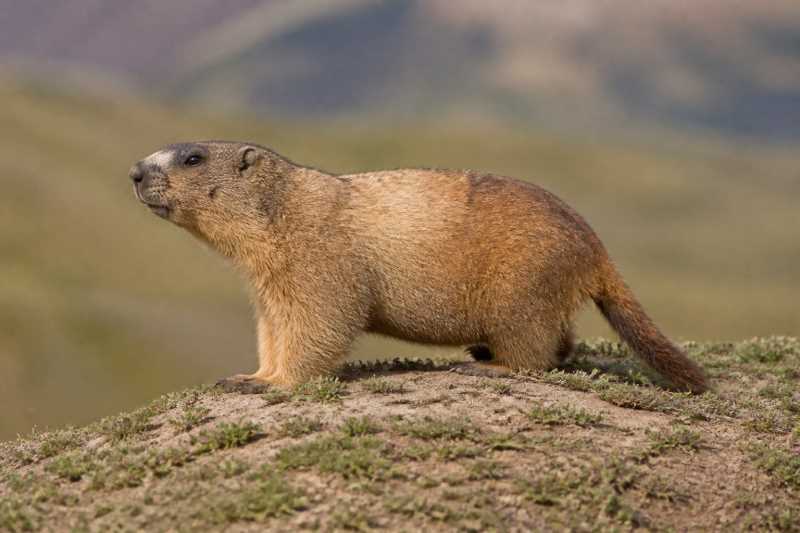
Bobak marmots are large rodents, typically measuring between 50 to 70 centimeters in length, with a weight range of 4 to 9 kilograms. They possess a stocky build, characterized by a broad, flat head and short, powerful limbs adapted for digging. Their fur is dense and soft, usually exhibiting a yellow-brown or reddish hue, which provides excellent camouflage against the dry grasslands. The marmot’s tail, measuring about 13 to 15 centimeters, is bushy and often darker, adding to their distinctive appearance.
Their incisors are prominent and continuously growing, a common trait among rodents, which they maintain by gnawing. This dental structure is essential for their diet and habitat modification activities.
Range and Habitat
Bobak marmots inhabit the expansive steppe regions spanning Eastern Europe and Central Asia. Their range extends from southeastern Poland, across Ukraine, Russia, and into Kazakhstan. These marmots prefer open grasslands and steppe environments, where they can easily construct their burrows and find ample food sources.
Their burrows, often complex and multi-chambered, are typically located on gentle slopes or flat terrain to avoid water accumulation. These subterranean homes provide refuge from predators and extreme weather, particularly during the harsh winters when bobaks enter hibernation.
Behavior and Diet
Bobak marmots are highly social creatures, living in colonies that can consist of several dozen individuals. Their social structure is typically centered around a dominant breeding pair, with offspring and subordinate adults forming the rest of the group. Communication within the colony is achieved through a series of vocalizations, including whistles and chirps, which serve as alarms and social signals.
These marmots are primarily herbivorous, feeding on a variety of grasses, herbs, and occasionally fruits. Their diet is highly dependent on the availability of vegetation, which fluctuates with the seasons. During the summer months, bobaks accumulate fat reserves to sustain them through their lengthy hibernation period, which can last 6 to 7 months.
Identification Tips (Field Recognition Cues)
Identifying a Bobak marmot in the field can be achieved by observing several key characteristics:
- Size and Shape: Look for a large, stocky rodent with a broad head and short limbs.
- Fur Color: Note the yellow-brown or reddish fur, which may appear more vibrant in direct sunlight.
- Behavior: Bobak marmots are often seen standing upright as sentinels near their burrows.
- Vocalizations: Listen for their distinctive whistles, especially if you are near a colony.
- Burrow Locations: Look for burrow entrances on slopes or flat terrain, often with worn paths leading to them.
Conservation Status (With Threats and Protections)
The Bobak marmot is currently listed as Least Concern on the IUCN Red List. However, the species faces several threats that could impact its populations if not managed properly.
Threats
- Habitat Loss: Agricultural expansion and land conversion for development have resulted in habitat fragmentation.
- Hunting and Poaching: In some regions, marmots are hunted for their meat and fur.
- Climate Change: Alterations in weather patterns can affect food availability and hibernation cycles.
Protections
Conservation efforts for the Bobak marmot include:
- Protected Areas: Establishing reserves and protected areas to preserve critical habitats.
- Legal Protections: Implementing hunting regulations and bans in certain areas.
- Research and Monitoring: Ongoing studies to monitor population trends and ecological impacts.
Frequently Asked Questions
- What is the lifespan of a Bobak marmot?
Bobak marmots typically live for 6 to 10 years in the wild, although some individuals have been known to live longer under ideal conditions.
- How do Bobak marmots survive the winter?
Bobak marmots hibernate during the winter months, relying on stored fat reserves and reducing their metabolic rate to conserve energy.
- Are Bobak marmots dangerous to humans?
Bobak marmots are not dangerous to humans. They are generally shy and will retreat to their burrows when threatened. However, like all wild animals, they should be observed from a distance to avoid stress or defensive behavior.
- How can I help in the conservation of Bobak marmots?
Supporting conservation organizations, advocating for habitat protection, and raising awareness about the species’ ecological role are effective ways to aid in their conservation.
Related posts