Introduction
The Spiny Seram Island Rat, scientifically known as Rattus feliceus, is a fascinating mammalian species endemic to the Seram Island in Indonesia. This unique species is part of the Muridae family, which includes true mice and rats. Known for its distinctive spiny fur and elusive nature, the Spiny Seram Island Rat has intrigued scientists and wildlife enthusiasts alike. This article delves into the various aspects of the Spiny Seram Island Rat, offering a comprehensive understanding of its physical characteristics, habitat, behavior, and conservation status.
Physical Description
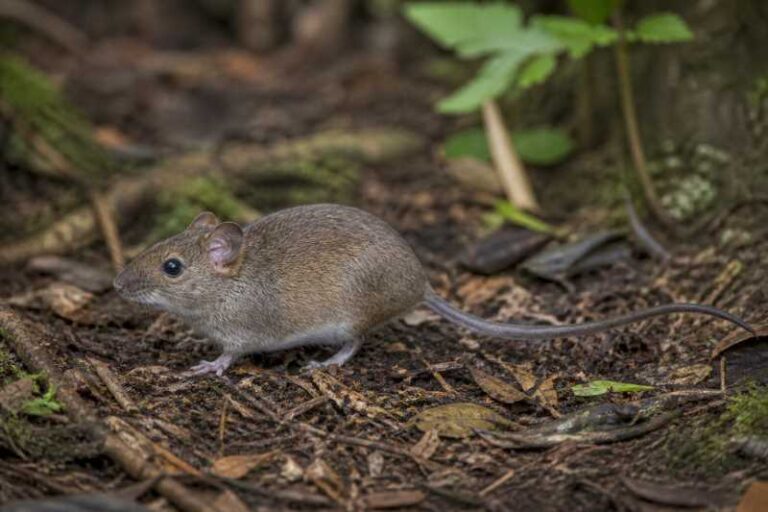
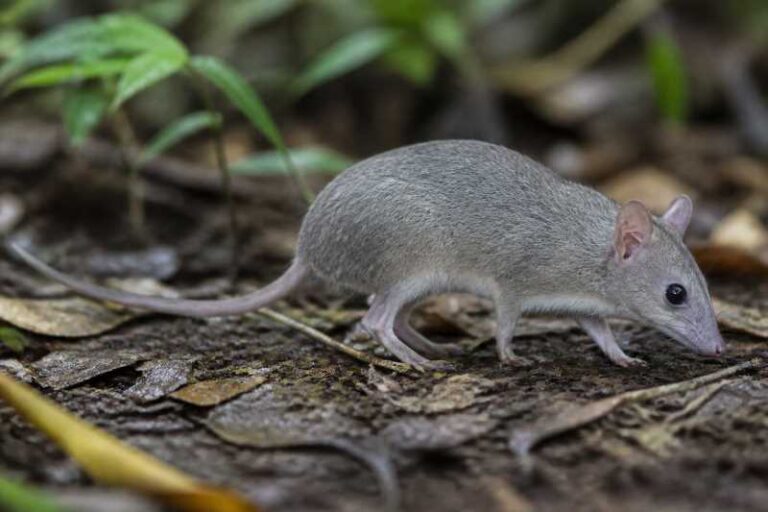
The Spiny Seram Island Rat is a medium-sized rodent, typically measuring between 20 to 25 centimeters in body length, with a tail that adds an additional 15 to 20 centimeters. One of the most distinguishing features of this species is its spiny fur, which is composed of stiff, spine-like hairs intermixed with softer fur. This adaptation is thought to provide protection against predators and rough terrain. The fur is generally a mix of gray and brown, which camouflages well with its natural environment. The rat’s ears are relatively small, and its eyes are black and beady, adapted for low-light conditions.
Range and Habitat
Rattus feliceus is endemic to Seram Island, part of the Maluku Islands in Indonesia. The island’s diverse ecosystems provide the perfect habitat for this species. They are primarily found in dense tropical rainforests, but they can also be spotted in secondary forests and occasionally in agricultural areas. These rats are arboreal, meaning they are skilled climbers and often dwell in the forest canopy. The lush, humid environment of Seram Island supports a rich biodiversity, creating ample opportunities for the Spiny Seram Island Rat to thrive.
Behavior and Diet
The Spiny Seram Island Rat is primarily nocturnal, spending most of its active hours foraging for food during the night. Its diet is omnivorous, consisting of fruits, seeds, insects, and small invertebrates. The rat’s foraging behavior plays a crucial role in the ecosystem, as it helps in seed dispersal and pest control. Socially, these rats are relatively solitary, although they may come together during the breeding season. They communicate with each other through vocalizations and scent markings.
Identification Tips (Field Recognition Cues)
Identifying the Spiny Seram Island Rat in the field can be challenging due to its elusive nature and nocturnal habits. However, there are several field recognition cues that can aid in its identification:
- Spiny Fur: Look for the distinctive spiny fur that sets it apart from other rat species.
- Size: Note the medium size, with a body length of 20-25 centimeters.
- Tail: The tail is relatively long, about 75-80% of the body length.
- Habitat: They are typically found in dense forests and are more active at night.
Conservation Status (With Threats and Protections)
The conservation status of the Spiny Seram Island Rat is currently listed as Vulnerable by the International Union for Conservation of Nature (IUCN). The primary threats to this species include habitat destruction due to logging, land conversion for agriculture, and human encroachment. Additionally, invasive species such as cats and dogs pose significant threats as predators. Conservation efforts are focused on habitat protection and management, with some areas of Seram Island designated as protected reserves. Raising awareness and promoting sustainable land-use practices are essential for ensuring the survival of this unique species.
Frequently Asked Questions
What makes the Spiny Seram Island Rat unique?
The Spiny Seram Island Rat is unique due to its spiny fur, which is an adaptation for protection against predators and environmental challenges. Its arboreal lifestyle and nocturnal habits also contribute to its distinctiveness.
Where can the Spiny Seram Island Rat be found?
The Spiny Seram Island Rat is endemic to Seram Island, Indonesia, primarily inhabiting tropical rainforests, secondary forests, and occasionally agricultural areas.
What are the main threats to the Spiny Seram Island Rat?
The main threats include habitat destruction from logging and agriculture, as well as predation from invasive species like cats and dogs. Conservation efforts focus on habitat protection and sustainable land-use practices.
How does the Spiny Seram Island Rat contribute to its ecosystem?
As an omnivorous forager, the Spiny Seram Island Rat plays a vital role in seed dispersal and pest control, contributing to the ecological balance within its habitat.
Related posts