Introduction
The Paraguayan Tuco-tuco (Ctenomys paraguayensis) is a fascinating rodent species that is part of the Ctenomyidae family. These animals are known for their subterranean lifestyle and characteristic vocalizations, which have earned them their common name. Found primarily in South America, the Paraguayan Tuco-tuco is a species that plays an essential role in the ecosystems it inhabits. This article delves into the physical characteristics, habitat, and behaviors of the Paraguayan Tuco-tuco, providing a comprehensive overview of this intriguing mammal.
Physical Description
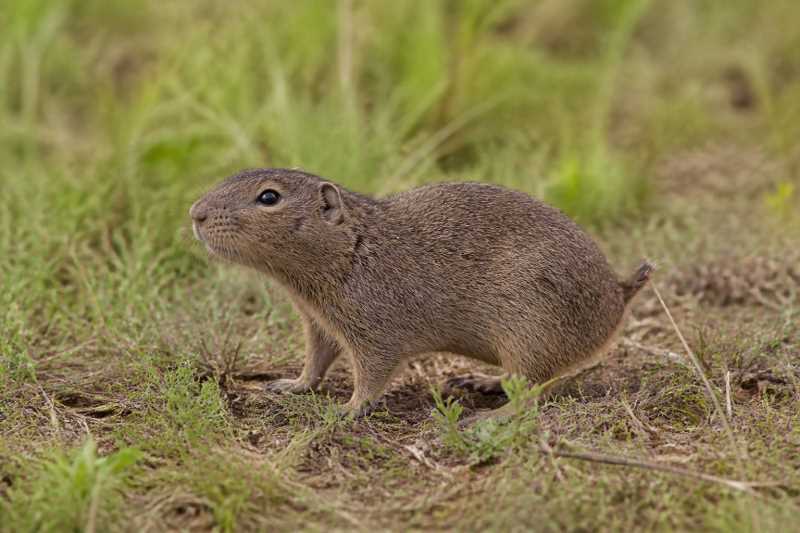
The Paraguayan Tuco-tuco is a small to medium-sized rodent, typically measuring between 15 to 25 centimeters in body length, with a tail that adds an additional 5 to 10 centimeters. Their weight ranges from 200 to 400 grams, making them relatively lightweight compared to other rodents.
One of the most distinctive features of the Paraguayan Tuco-tuco is its robust and cylindrical body, which is well-adapted for a burrowing lifestyle. Their fur is dense and soft, often in shades of brown, gray, or sandy colors that provide effective camouflage against the soil. The underbelly is usually lighter than the rest of the body.
Their forelimbs are strong and equipped with long, curved claws designed for digging. The hind limbs are less developed but aid in pushing soil backward as they tunnel. The head is broad with small eyes and ears, which are adaptations to their subterranean environment. Their teeth are also notable, with large, ever-growing incisors that are used for digging as well as feeding.
Range and Habitat
The Paraguayan Tuco-tuco is primarily found in Paraguay, with its range extending into parts of Argentina and Brazil. These rodents favor habitats that provide soft, sandy soil, which is ideal for burrowing. They are commonly found in grasslands, savannas, and open woodlands, where the soil is loose and easy to excavate.
These environments not only offer the ideal conditions for burrowing but also provide a plentiful supply of food resources. The presence of Paraguayan Tuco-tucos is often indicated by the mounds of earth that they displace while digging their extensive tunnel systems.
Behavior and Diet
Paraguayan Tuco-tucos are predominantly solitary animals, with each individual maintaining its own burrow system. These burrows can be quite extensive, with multiple chambers and tunnels that serve various purposes, such as nesting and food storage.
Their behavior is characterized by a high degree of territoriality, with individuals using vocalizations to communicate with others and to assert dominance over their territory. These vocalizations are a series of low-pitched, rhythmic grunts that resemble a "tuc-tuc-tuc" sound, hence the name Tuco-tuco.
In terms of diet, the Paraguayan Tuco-tuco is primarily herbivorous, feeding on a variety of plant materials. Their diet consists mainly of roots, tubers, and grasses, which they forage for near their burrow entrances. The incisors of the Tuco-tuco are highly effective at cutting through tough plant material, and their cheek pouches are used to transport food back to their nests.
Identification Tips (Field Recognition Cues)
Identifying the Paraguayan Tuco-tuco in the wild can be challenging due to their subterranean habits, but there are several cues that can aid in their identification:
- Soil Mounds: Look for fresh mounds of soil, which indicate recent digging activity. The mounds are usually circular and can be found near the entrance of their burrows.
- Vocalizations: Listen for the distinctive "tuc-tuc-tuc" sounds that these rodents make. These vocalizations are often heard at dawn and dusk.
- Tracks and Trails: Examine the soil for tracks or trails leading to and from burrow entrances. The tracks are typically small and may show the imprints of their claws.
- Fur and Claw Marks: In some cases, you might find fur or scratch marks on the soil around their burrow entrances.
Conservation Status (With Threats and Protections)
The Paraguayan Tuco-tuco is currently classified as a species of Least Concern by the International Union for Conservation of Nature (IUCN). However, like many other species, it faces several threats that could impact its population in the future.
Threats:
- Habitat Destruction: The primary threat to the Paraguayan Tuco-tuco is habitat destruction due to agricultural expansion and urban development. The conversion of grasslands into farmland reduces the availability of suitable habitats.
- Climate Change: Alterations in climate patterns can affect the availability of food resources and suitable burrowing conditions.
- Predation: Natural predators, including birds of prey, snakes, and small carnivores, pose a threat to these rodents.
Protections:
Efforts to protect the Paraguayan Tuco-tuco include the establishment of protected natural areas that preserve their natural habitats. Conservationists also advocate for sustainable land-use practices that minimize habitat destruction.
Frequently Asked Questions
1. What is the lifespan of a Paraguayan Tuco-tuco in the wild?
The lifespan of a Paraguayan Tuco-tuco in the wild is typically around 2 to 3 years, although some individuals may live longer under optimal conditions. Factors such as predation and environmental stresses can influence their longevity.
2. How do Paraguayan Tuco-tucos communicate?
Paraguayan Tuco-tucos communicate primarily through vocalizations. They produce a series of rhythmic grunts known as "tuc-tuc-tuc" sounds, which serve to establish territory, attract mates, and warn of potential threats.
3. Are Paraguayan Tuco-tucos social animals?
No, Paraguayan Tuco-tucos are generally solitary creatures. Each individual maintains its own burrow system and is highly territorial. Interaction between individuals is limited to mating and occasional disputes over territory.
4. What adaptations make the Paraguayan Tuco-tuco suited for a burrowing lifestyle?
Key adaptations include a robust body shape, strong forelimbs with curved claws for digging, small eyes and ears to reduce soil contact, and large incisors for cutting through tough plant materials and soil.
5. How can I help in the conservation of the Paraguayan Tuco-tuco?
Supporting organizations that focus on habitat preservation and sustainable land use can aid in the conservation of the Paraguayan Tuco-tuco. Educating others about the importance of biodiversity and supporting conservation policies are also effective measures.
Related posts