Introduction
The Henia-Camiare Tuco-tuco, scientifically known as Ctenomys heniacamiare, is a fascinating rodent species that belongs to the family Ctenomyidae. These small, burrowing mammals are native to South America, particularly found in specific regions of Argentina. Known for their subterranean lifestyle, Tuco-tucos are often studied for their unique adaptations to underground life. Their name, "Tuco-tuco," is derived from the repetitive calls they make, which is a distinguishing characteristic of their behavior. This article aims to provide a comprehensive overview of the Henia-Camiare Tuco-tuco, covering aspects of its physical description, habitat, behavior, and conservation status.
Physical Description
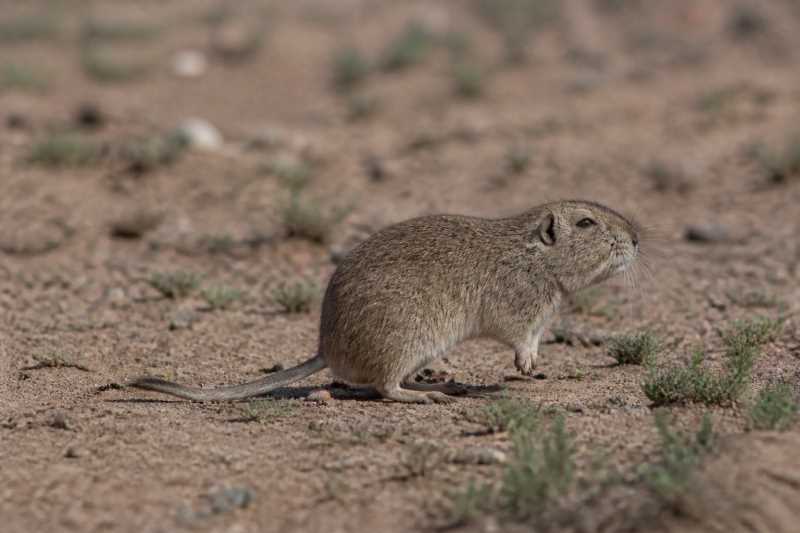
The Henia-Camiare Tuco-tuco is a small to medium-sized rodent, typically measuring between 15 to 25 centimeters in length, excluding the tail. It has a robust, cylindrical body adapted for life underground. The fur of the Tuco-tuco is dense and soft, providing insulation against the cooler temperatures of its subterranean habitat. The coloration varies from shades of brown to gray, often matching the soil of its native environment, which offers camouflage from predators.
One of the most distinctive physical features of the Henia-Camiare Tuco-tuco is its large, strong forelimbs equipped with long claws. These adaptations are crucial for digging and navigating through the complex tunnel systems they create. The eyes of the Tuco-tuco are relatively small, a common trait among burrowing animals, indicating their reliance on senses other than sight. Additionally, they have a reduced auditory bullae, which may be an adaptation to their underground lifestyle where sound transmission is different.
Range and Habitat
The Henia-Camiare Tuco-tuco is endemic to certain regions of Argentina, where it inhabits grasslands and open fields with loose, sandy soils that facilitate digging. These rodents are typically found at elevations ranging from sea level to around 1,500 meters. Their preference for specific soil types often restricts their range to areas that offer the right combination of texture and moisture.
The habitat of the Henia-Camiare Tuco-tuco is characterized by its subterranean tunnel systems. These tunnels can be extensive and complex, with multiple entrances and chambers used for nesting and food storage. The choice of habitat not only provides protection from predators but also maintains a stable microclimate that is crucial for their survival.
Behavior and Diet
The Henia-Camiare Tuco-tuco is primarily a solitary animal, with individuals maintaining their own separate burrow systems. These rodents are known for their territorial nature, often engaging in vocalizations to communicate with neighboring Tuco-tucos and to establish territory boundaries. The "tuco-tuco" call, a series of repetitive sounds, is used during these interactions.
In terms of diet, the Henia-Camiare Tuco-tuco is herbivorous, feeding mainly on the roots and tubers of various plants. Their foraging behavior involves digging through the soil to access these underground plant parts. This diet is supplemented by occasional consumption of surface vegetation, which they collect and store in their burrows.
Identification Tips (Field Recognition Cues)
Identifying the Henia-Camiare Tuco-tuco in the wild can be challenging due to their subterranean lifestyle. However, there are several cues that can aid in identification:
- Burrow Entrances: Look for characteristic soil mounds and tunnel entrances in suitable habitats. These are often surrounded by freshly dug earth.
- Vocalizations: Listen for the distinctive "tuco-tuco" calls, especially during the early morning or late afternoon.
- Fur Coloration: Note the coloration of individuals that may be observed above ground, typically matching the surrounding soil.
- Behavior: Observations of solitary animals with strong digging behavior can indicate the presence of this species.
Conservation Status (With Threats and Protections)
The conservation status of the Henia-Camiare Tuco-tuco is currently not well-documented, primarily due to the limited research and the species’ restricted range. However, like many burrowing rodents, they face potential threats from habitat destruction and agricultural expansion. The conversion of grasslands to agricultural fields can result in the loss of suitable habitats and increased mortality due to farming activities.
Conservation efforts for the Henia-Camiare Tuco-tuco would benefit from more comprehensive studies on their population size, distribution, and ecological requirements. Protecting their grassland habitats and promoting sustainable land-use practices are key strategies in ensuring the survival of this unique species.
Frequently Asked Questions
Why is this species unique?
The Henia-Camiare Tuco-tuco is unique due to its highly specialized subterranean lifestyle. Its adaptations for digging and living underground, such as strong forelimbs and a cylindrical body, set it apart from many other rodents.
What threats do Henia-Camiare Tuco-tucos face?
The primary threats include habitat destruction due to agricultural expansion and land conversion. These activities can lead to the loss of suitable habitats and increased vulnerability to predators.
How can I help conserve the Henia-Camiare Tuco-tuco?
Supporting conservation initiatives that focus on preserving grassland habitats and promoting sustainable agriculture can help protect the Henia-Camiare Tuco-tuco. Raising awareness about the species and its ecological importance is also beneficial.
Are Henia-Camiare Tuco-tucos social animals?
No, Henia-Camiare Tuco-tucos are primarily solitary animals, known for their territorial behavior. They communicate through vocalizations but generally maintain separate burrow systems.
Related posts