Black-backed Tuco-tuco (Ctenomys dorsalis): A Comprehensive Guide
Introduction
The Black-backed Tuco-tuco, scientifically known as Ctenomys dorsalis, is a fascinating rodent species found in South America. Known for its unique burrowing habits and distinctive physical features, this mammal plays an important role in its ecosystem. Named after the distinctive ‘tuc-tuc’ sounds it makes, the Tuco-tuco is a member of the family Ctenomyidae, which includes over 60 different species. This article delves into the various aspects of this intriguing species, covering its physical description, habitat, behavior, and conservation.
Physical Description
The Black-backed Tuco-tuco is a medium-sized rodent, characterized by its robust body and distinctive coloration. Adults typically measure between 20 to 25 centimeters in length, with the tail adding another 6 to 8 centimeters. They weigh approximately 300 to 500 grams, with males generally being larger than females.
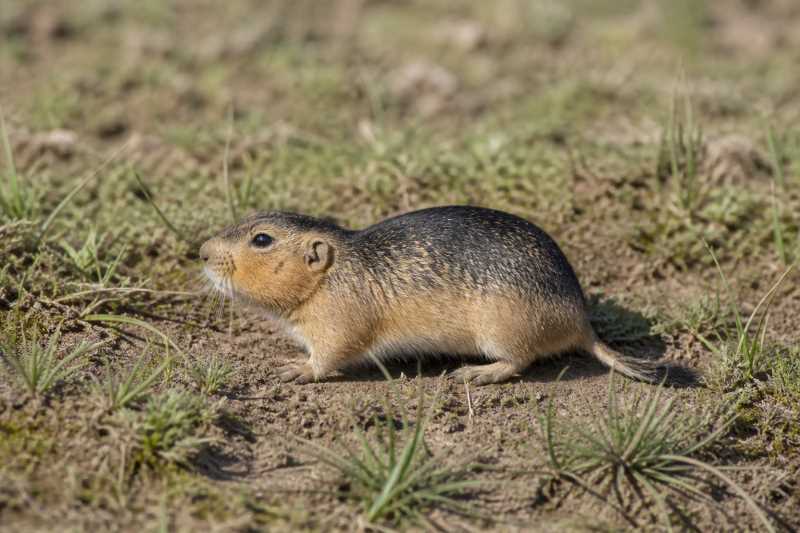
A key feature of the Black-backed Tuco-tuco is its fur, which is dense and soft, providing excellent insulation against the cold subterranean environment. The fur is predominantly a dark brown or black along the back, hence the name ‘Black-backed’, while the underparts are lighter, often a yellowish or grayish hue. This coloration provides perfect camouflage against the dirt and debris of its habitat.
Its head is broad with small, rounded ears and sharp incisors that are constantly growing, which it uses efficiently for digging and feeding. The eyes are small, adapted for low-light conditions underground. The limbs are strong and muscular, allowing for efficient digging, and the claws are long and curved, perfect for burrowing.
Range and Habitat
The Black-backed Tuco-tuco is native to the Gran Chaco region, spanning parts of Bolivia, Paraguay, and Argentina. This region is characterized by its semi-arid conditions, with a mix of savannas, scrublands, and forests. These tuco-tucos are highly adapted to living in burrows, which they dig in sandy or loose soil.
Their burrow systems are complex, consisting of multiple tunnels and nesting chambers. These burrows provide protection from predators and extreme weather conditions. The choice of habitat is influenced by soil type, vegetation cover, and availability of food resources.
Behavior and Diet
The Black-backed Tuco-tuco is primarily a solitary creature, with individuals maintaining separate burrow systems. They are most active during the early morning and late afternoon, avoiding the heat of the day. Communication among these rodents is primarily through vocalizations and scent markings.
Their diet mainly consists of plant material, including roots, tubers, and grasses. They are known to store food in their burrows, ensuring a supply during scarce periods. The Black-backed Tuco-tuco plays a crucial role in seed dispersal and soil aeration, contributing to the ecological health of their habitat.
Identification Tips
Identifying the Black-backed Tuco-tuco in the field requires attention to several key characteristics:
- Fur Coloration: Look for the distinctive black or dark brown back with lighter underparts.
- Size and Shape: Note the robust body, small eyes, and rounded ears.
- Behavior: Observe their burrowing activity and listen for the characteristic ‘tuc-tuc’ sounds.
- Habitat: Locate them in areas with sandy or loose soil within their geographical range.
Conservation Status
The conservation status of the Black-backed Tuco-tuco is currently not well-documented, largely due to the lack of comprehensive population studies. However, it is believed that habitat loss and degradation pose significant threats. Deforestation, agriculture expansion, and human settlement encroachment are leading to habitat fragmentation.
Efforts to protect this species include habitat conservation and legal protection under regional wildlife laws. Further research is needed to better understand population dynamics and implement effective conservation strategies.
Frequently Asked Questions
What is the primary diet of the Black-backed Tuco-tuco?
The Black-backed Tuco-tuco primarily feeds on plant materials such as roots, tubers, and grasses. They are known to store food in their burrows for later consumption.
How does the Black-backed Tuco-tuco communicate?
Communication in Black-backed Tuco-tucos is mainly through vocalizations, particularly the ‘tuc-tuc’ sounds, as well as scent markings. These methods help in marking territory and mating.
What threats do Black-backed Tuco-tucos face?
Major threats include habitat loss due to deforestation, agricultural expansion, and human settlement. These activities lead to habitat fragmentation and a decrease in available resources.
How can I identify a Black-backed Tuco-tuco in the wild?
Look for their distinct black or dark brown back, lighter underparts, and robust body shape. Listen for their unique vocalizations and observe their burrowing behavior.
Are Black-backed Tuco-tucos solitary or social animals?
Black-backed Tuco-tucos are primarily solitary, with each individual maintaining its own burrow system. They come together mainly for breeding purposes.
Related posts