Colombian Rufous Tree-rat (Diplomys caniceps)
Introduction
The Colombian Rufous Tree-rat, scientifically known as Diplomys caniceps, is a fascinating rodent species endemic to the rich and diverse ecosystems of Colombia. This elusive and arboreal mammal is part of the Echimyidae family, which includes spiny rats and other tree-dwelling species. Although not as widely recognized as other rodent species, the Colombian Rufous Tree-rat plays a significant role in its habitat, contributing to the ecological balance of its environment. This article delves into various aspects of the species, from its physical characteristics to its behavior, habitat, and conservation status.
Physical Description
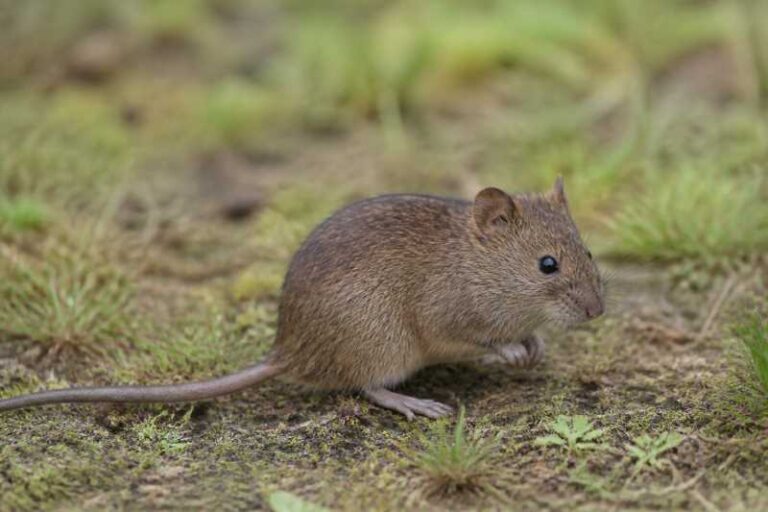
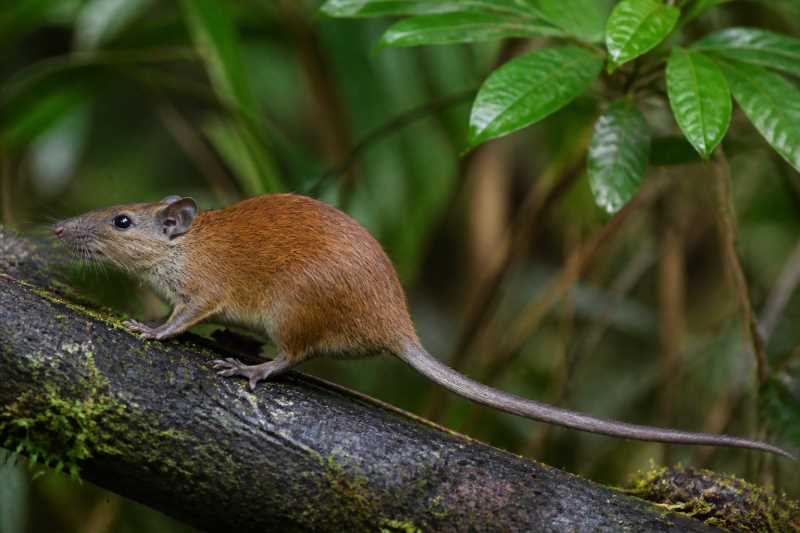
The Colombian Rufous Tree-rat is a medium-sized rodent, distinguished by its unique rufous or reddish-brown fur that offers excellent camouflage among the tree canopies of its native habitat. The fur color can vary slightly depending on the individual and its specific environment, but it generally maintains a warm-toned hue. The underparts are usually lighter, ranging from pale brown to off-white, aiding in its concealment from both aerial and terrestrial predators.
This species has a relatively long and bushy tail, which it uses for balance and agility when navigating through the trees. Adult Colombian Rufous Tree-rats typically range from 25 to 30 centimeters in body length, with the tail adding an additional 20 to 25 centimeters. Their large, prominent eyes are adapted for their nocturnal lifestyle, providing enhanced vision during their nighttime activities. The ears are moderately sized and rounded, contributing to their acute sense of hearing.
Range and Habitat
The Colombian Rufous Tree-rat is primarily found in the lowland and montane forests of Colombia. Its range extends across both the Pacific and Andean regions, where it inhabits dense, humid forests that provide ample cover and food resources. The species thrives at elevations ranging from sea level to about 2,000 meters, showcasing its adaptability to a variety of forested environments.
These rodents are arboreal by nature, spending most of their life in the treetops. The dense foliage and complex tree structures of their habitat offer protection from predators and access to a diverse diet. The Colombian Rufous Tree-rat is often associated with secondary growth forests, where it can exploit the abundance of fruits, seeds, and other plant materials available.
Behavior and Diet
The Colombian Rufous Tree-rat is primarily nocturnal, emerging after dusk to forage and explore its environment. Its arboreal lifestyle is supported by strong, agile limbs and a prehensile tail, which aid in climbing and balancing on branches. This nocturnal behavior helps the species avoid many diurnal predators and reduce competition for food resources.
The diet of the Colombian Rufous Tree-rat is predominantly herbivorous, consisting of fruits, seeds, leaves, and occasionally small invertebrates. Its foraging behavior plays a crucial role in seed dispersal, contributing to the regeneration and diversity of its forest habitat. The species has been observed to travel considerable distances within its home range in search of food, often returning to the same feeding sites if resources are abundant.
Identification Tips
Recognizing the Colombian Rufous Tree-rat in the wild can be challenging due to its elusive nature and nocturnal habits. However, several field recognition cues can aid in its identification:
- Fur Color and Pattern: Look for the distinctive rufous or reddish-brown fur, which can appear almost orange in certain lighting conditions. The contrast between the dark upper parts and lighter underparts is a key identifying feature.
- Tail Characteristics: Observe the tail, which is bushy and often held aloft when the animal is active. The tail’s length and bushiness are indicative of the species.
- Size and Body Shape: Note the medium body size, with a robust and rounded body shape typical of arboreal rodents.
- Behavioral Patterns: Look for signs of nocturnal activity, such as rustling in the treetops or traces of feeding sites, especially in areas rich in fruiting trees.
Conservation Status
The Colombian Rufous Tree-rat is currently classified as "Least Concern" by the International Union for Conservation of Nature (IUCN). This classification is due to its relatively wide distribution and presumed large population. However, like many species in tropical regions, it faces several threats that could impact its long-term survival.
Threats
- Habitat Destruction: Deforestation for agriculture, logging, and urban development poses a significant threat to the Colombian Rufous Tree-rat’s habitat, leading to fragmentation and loss of suitable living areas.
- Climate Change: Alterations in climate patterns can affect the availability of food resources and the structure of forest habitats, potentially impacting the species’ survival and reproductive success.
Protections
Efforts to protect the Colombian Rufous Tree-rat include the establishment of protected areas and national parks within its range, which help preserve critical habitats. Conservation initiatives focused on sustainable land-use practices and reforestation can also benefit this species by maintaining and restoring its natural environment.
Frequently Asked Questions
What is the Colombian Rufous Tree-rat’s role in its ecosystem?
The Colombian Rufous Tree-rat plays a crucial role in its ecosystem as a seed disperser. By consuming fruits and seeds, it aids in the propagation of various plant species, contributing to forest regeneration and biodiversity.
How can one spot a Colombian Rufous Tree-rat in the wild?
Spotting a Colombian Rufous Tree-rat requires patience and a keen eye for nocturnal activity. Look for signs of movement or feeding in fruiting trees at dusk or dawn. Listening for rustling noises in the treetops can also indicate their presence.
Are Colombian Rufous Tree-rats dangerous to humans?
Colombian Rufous Tree-rats are not dangerous to humans. They are shy and elusive animals that prefer to avoid human interaction. While they play a beneficial role in their ecosystem, they are generally harmless and pose no threat to people.
What conservation measures are in place to protect this species?
Conservation measures for the Colombian Rufous Tree-rat include habitat protection through national parks and reserves, as well as sustainable forestry practices. Conservation organizations also work to raise awareness about the importance of preserving tropical forest ecosystems to ensure the survival of species like the Colombian Rufous Tree-rat.
How does climate change affect the Colombian Rufous Tree-rat?
Climate change can impact the Colombian Rufous Tree-rat by altering the availability of food resources and changing the structure of its forest habitat. These changes can influence the species’ ability to thrive and reproduce, potentially leading to population declines over time.
Related posts