Introduction
The Greater Guinea Pig, scientifically known as Cavia magna, is a fascinating rodent species indigenous to South America. As a member of the family Caviidae, this species shares its lineage with other well-known rodents such as the domestic guinea pig and the capybara. Despite its name, the Greater Guinea Pig is not as commonly recognized or domesticated as its relatives, yet it plays a significant role in its natural ecosystem. This article delves into the intriguing aspects of the Greater Guinea Pig, exploring its physical characteristics, natural habitat, behavioral patterns, and conservation status.
Physical Description
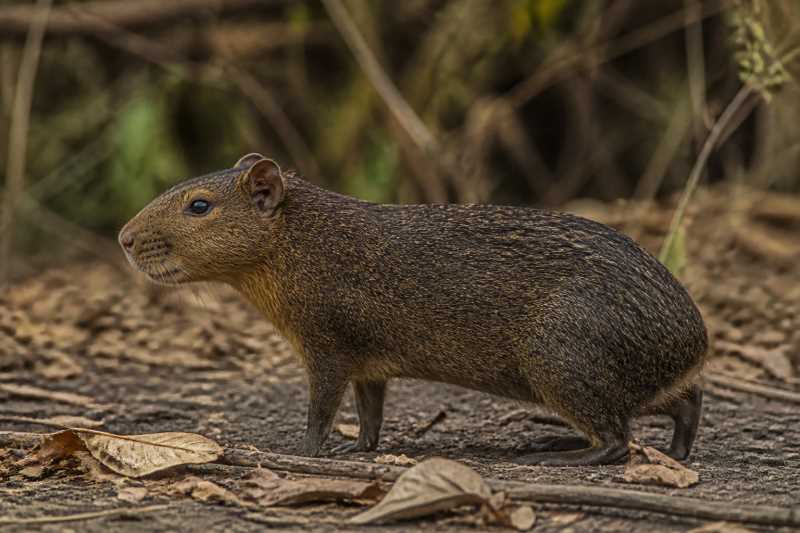
The Greater Guinea Pig is distinguishable by its robust size compared to other cavy species. Adults typically measure between 25 to 40 cm in length and weigh between 1.5 to 2 kg, making them considerably larger than domestic guinea pigs. Their fur is coarse and varies in color, often displaying shades of brown, gray, or black, which provides effective camouflage in their natural surroundings. The head is relatively large with prominent eyes and ears, while the body is compact with strong limbs adapted for running and maneuvering through dense vegetation.
Unlike their domesticated counterparts, Greater Guinea Pigs have a more uniform color pattern without the variety of splotches and markings seen in domestic breeds. This homogeneity aids in their survival, allowing them to blend seamlessly into their environment and avoid predators. Their short, rounded ears and small, barely visible tail add to their streamlined appearance, contributing to their agility and speed.
Range and Habitat
Greater Guinea Pigs are primarily found in the southeastern regions of South America, particularly in countries such as Brazil and Uruguay. Their range extends across marshy areas, grasslands, and savannas, where they thrive in habitats that provide ample cover and abundant food sources. These rodents are highly adaptable and can occupy both natural and semi-disturbed environments, often inhabiting areas near water sources such as rivers, lakes, and wetlands.
The species’ preference for moist and lush environments is crucial for their survival, as it offers protection from predators and access to a steady diet. The dense vegetation in these habitats not only provides shelter but also supports a diverse array of plant species that form the core of their diet.
Behavior and Diet
Greater Guinea Pigs are primarily crepuscular, meaning they are most active during the dawn and dusk hours. This behavior helps them avoid the midday heat and reduces the risk of predation. They are social animals, often found in small groups that enhance their chances of detecting predators and increase foraging efficiency. Communication within groups is facilitated through a range of vocalizations, including whistles, grunts, and squeaks.
The diet of the Greater Guinea Pig is herbivorous, consisting mainly of grasses, leaves, and various aquatic plants. Their strong incisors are adapted to gnawing on tough plant material, which is essential for maintaining dental health. In addition to terrestrial vegetation, they are known to feed on fruits and seeds when available, which provides a more varied nutritional intake.
Identification Tips
Identifying Greater Guinea Pigs in the wild can be challenging due to their elusive nature and resemblance to other cavy species. However, there are several key characteristics to look for:
- Size and Shape: Look for a larger, more robust body compared to other guinea pig species.
- Fur Color: Uniform coloration in shades of brown, gray, or black without the multicolored patterns found in domestic varieties.
- Habitat: Presence near water sources and in dense vegetation areas.
- Vocalizations: Listen for distinctive whistles and grunts, especially during dawn and dusk.
- Behavior: Observing group behavior and their crepuscular activity patterns can be indicative of their presence.
Conservation Status
The conservation status of the Greater Guinea Pig is currently not well-documented, primarily due to their elusive nature and the lack of extensive research. However, like many species, they face threats from habitat destruction, particularly due to agricultural expansion and urban development. Wetland drainage and pollution also pose significant risks, as these activities degrade the quality of their natural habitats.
Conservation efforts for the Greater Guinea Pig involve protecting their natural habitats through the establishment of protected areas and promoting sustainable land-use practices. Additionally, further research is needed to better understand their population dynamics, ecological role, and specific threats to implement effective conservation strategies.
Frequently Asked Questions
1. What is the natural habitat of the Greater Guinea Pig? Greater Guinea Pigs are native to southeastern South America, inhabiting marshy areas, grasslands, and savannas, often near water sources such as rivers and wetlands.
2. How can you differentiate a Greater Guinea Pig from a domestic guinea pig? The Greater Guinea Pig is larger, with more uniform coloration and a preference for wild habitats, unlike the varied color patterns and domesticated environment of domestic guinea pigs.
3. Are Greater Guinea Pigs endangered? While there is limited data on their exact conservation status, habitat destruction and environmental changes pose significant threats to their populations.
4. What do Greater Guinea Pigs eat? Their diet primarily consists of grasses, leaves, and aquatic plants, supplemented by fruits and seeds when available.
5. Are Greater Guinea Pigs social animals? Yes, Greater Guinea Pigs are social and often found in small groups, which helps them detect predators and forage more efficiently.
Related posts