Chacoan Mara: An In-Depth Look at Dolichotis salinicola
Introduction
The Chacoan Mara (Dolichotis salinicola), also known as the Patagonian hare, is a fascinating and lesser-known mammal species native to South America. Despite its rabbit-like appearance, the Chacoan Mara is a member of the rodent family, closely related to the guinea pig. This species is primarily found in the Gran Chaco region, which spans parts of Argentina, Paraguay, and Bolivia. As a unique and intriguing species, the Chacoan Mara offers much to explore in terms of its physical characteristics, habitat preferences, behaviors, and conservation status.
Physical Description
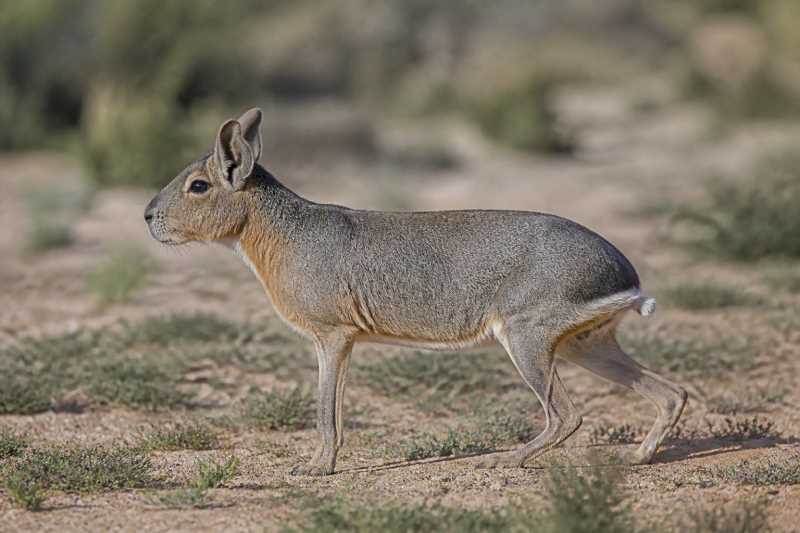
The Chacoan Mara is a medium-sized rodent, with an average body length ranging from 45 to 50 centimeters (18 to 20 inches) and a weight between 8 to 10 kilograms (18 to 22 pounds). Its body is characterized by a robust build, with long, slender limbs that contribute to its agility and speed. The hind limbs are particularly elongated, allowing the Chacoan Mara to execute swift and powerful leaps.
The species has a distinct head shape, featuring a long, somewhat pointed snout, and large, expressive eyes that provide excellent vision. Its ears are relatively short and rounded, a feature that differentiates it from other similar species. The fur of the Chacoan Mara is short and coarse, with a grayish-brown coloration that offers effective camouflage in its natural habitat. The underparts are typically lighter, often exhibiting a creamy white hue.
One of the most distinctive features of the Chacoan Mara is its tail, which is short and bushy, unlike the long tails found in many other rodent species. This unique combination of features not only aids in its survival but also makes it an easily recognizable species among enthusiasts and researchers alike.
Range and Habitat
The Chacoan Mara is predominantly found in the Gran Chaco, a vast semi-arid lowland region extending across northern Argentina, western Paraguay, and southeastern Bolivia. This region is characterized by its diverse ecosystems, ranging from dense thorny forests to open savannas and scrublands. The species exhibits a preference for habitats with ample cover, such as dense shrublands and woodland edges, which provide protection from predators and harsh environmental conditions.
The Chacoan Mara is a highly adaptable species, capable of thriving in a variety of environments within the Chaco region. However, it tends to avoid densely populated human areas, preferring the solitude and safety of less disturbed habitats. The availability of food resources, such as grasses, herbs, and shrubs, also plays a crucial role in determining the distribution of this species within its range.
Behavior and Diet
Chacoan Maras are primarily diurnal, meaning they are most active during the day, particularly in the early morning and late afternoon. This activity pattern helps them avoid the extreme temperatures of the midday sun in their arid environment. They are social animals, often found in pairs or small family groups, which aids in mutual protection and social bonding.
The diet of the Chacoan Mara is herbivorous, consisting mainly of grasses, herbs, and various plant materials available in their habitat. They are selective feeders, often foraging for the most nutritious and palatable vegetation. Their feeding habits play a vital role in maintaining the ecological balance of their habitat, as they help control vegetation growth and contribute to seed dispersal.
In terms of reproduction, the Chacoan Mara has a relatively low reproductive rate, with females typically giving birth to one or two offspring per year after a gestation period of about 100 days. The young are precocial, meaning they are relatively mature and mobile shortly after birth, which increases their chances of survival in the wild.
Identification Tips (Field Recognition Cues)
Identifying the Chacoan Mara in the field can be an exciting challenge for wildlife enthusiasts. Here are some key recognition cues to help spot this unique species:
- Size and Shape: Look for a medium-sized rodent with a robust body, long limbs, and a short, bushy tail.
- Coloration: Note the grayish-brown coat with lighter underparts, providing effective camouflage.
- Ears and Snout: The Chacoan Mara has short, rounded ears and a long, pointed snout, distinct from similar species.
- Gait: Observe their movement; they are known for their swift, bounding leaps, facilitated by their long hind limbs.
- Social Behavior: They are often seen in pairs or small groups, which is a key behavioral trait.
Conservation Status (With Threats and Protections)
The conservation status of the Chacoan Mara is currently classified as "Near Threatened" by the International Union for Conservation of Nature (IUCN). The primary threats facing this species include habitat loss due to agricultural expansion, deforestation, and land degradation. These activities lead to fragmentation of their natural habitat, making it increasingly difficult for the species to find suitable areas for foraging and breeding.
In addition to habitat loss, the Chacoan Mara is also threatened by hunting for meat and fur, as well as competition with livestock for food resources. These pressures contribute to the declining population trend observed in recent years.
Conservation efforts for the Chacoan Mara focus on habitat protection and management, including the establishment of protected areas within the Gran Chaco region. Environmental organizations are also working to raise awareness about the species and its ecological importance, promoting sustainable land-use practices among local communities.
Frequently Asked Questions
1. What is the main habitat of the Chacoan Mara?
The Chacoan Mara primarily inhabits the Gran Chaco region, which includes parts of Argentina, Paraguay, and Bolivia. They prefer environments such as dense shrublands and woodland edges that offer ample cover and food resources.
2. How can I distinguish a Chacoan Mara from other similar rodents?
Chacoan Maras can be distinguished by their medium size, robust body, long limbs, short bushy tail, and distinctive grayish-brown coloration with lighter underparts. Their short, rounded ears and long snout are also notable features.
3. What are the major threats to the Chacoan Mara’s survival?
The Chacoan Mara faces threats from habitat loss due to agricultural expansion and deforestation, hunting pressures, and competition with livestock for food resources. These factors contribute to their classification as "Near Threatened."
4. Are Chacoan Maras social animals?
Yes, Chacoan Maras are social animals, often found in pairs or small family groups. This social structure aids in protection from predators and fosters social bonding among individuals.
5. What conservation measures are in place to protect the Chacoan Mara?
Conservation efforts include habitat protection and management within the Gran Chaco region, establishment of protected areas, and promoting sustainable land-use practices to mitigate habitat loss and degradation.
Related posts