Introduction
The Gray Bamboo Lemur, scientifically known as Hapalemur griseus, is an intriguing primate species native to Madagascar. As one of the many lemur species endemic to this biodiversity hotspot, the Gray Bamboo Lemur plays a critical role in its ecosystem. Known for its unique dietary preferences and elusive nature, this lemur offers a fascinating glimpse into the complexity of Madagascar’s wildlife. Understanding the Gray Bamboo Lemur’s characteristics, habitat, and conservation status is vital for appreciating its ecological importance and the challenges it faces.
Physical Description
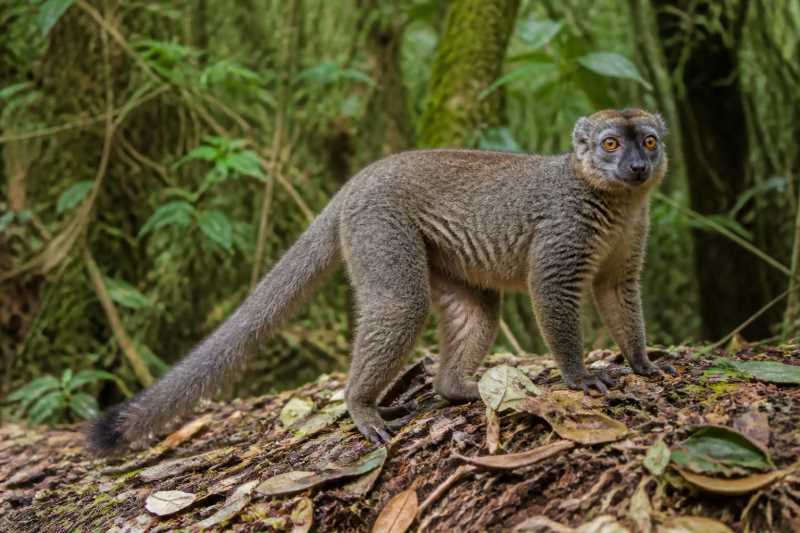
The Gray Bamboo Lemur is a small primate with a distinctive appearance that aids its survival in the wild. It typically weighs between 0.7 to 1.2 kilograms and measures about 26 to 28 centimeters in body length, with an additional tail length of around 30 to 40 centimeters. This lemur is characterized by its soft, thick fur, which is predominantly gray, offering a perfect camouflage against the bamboo forests it inhabits. The face of the Gray Bamboo Lemur is marked by a short muzzle and large, expressive eyes that provide excellent night vision. Its ears are small and rounded, often hidden within its fur, enhancing its streamlined appearance. Adaptations such as strong hind limbs and a prehensile tail enable agile movement through the dense bamboo thickets.
Range and Habitat
The Gray Bamboo Lemur is exclusively found in the eastern rainforests of Madagascar. Its range extends from the Marojejy National Park in the north to the Andringitra Massif in the south. This species favors the dense, humid bamboo forests that are prevalent in these regions. Bamboo thickets provide not only shelter and food but also essential microhabitats that support the lemur’s lifestyle. The Gray Bamboo Lemur’s habitat is characterized by high rainfall and consistent humidity, conditions that sustain the rich flora and fauna assemblage critical to its survival. These forests are also important carbon sinks, highlighting the broader environmental significance of preserving the habitats of the Gray Bamboo Lemur.
Behavior and Diet
Gray Bamboo Lemurs are primarily diurnal, although they exhibit some crepuscular activity. They are known for their social behavior, often forming small groups consisting of a dominant male, several females, and their offspring. Communication within these groups is facilitated through vocalizations and scent marking, which help maintain social bonds and territory boundaries. The diet of the Gray Bamboo Lemur is specialized, with bamboo shoots making up a significant portion of its intake. This lemur has evolved the ability to detoxify cyanide, a natural compound found in some bamboo species, allowing it to exploit a niche food resource. Occasionally, the diet is supplemented with fruits, leaves, and flowers, which provide additional nutrients.
Identification Tips
Identifying the Gray Bamboo Lemur in the field requires attention to several key features. Observers should look for its distinctive gray fur, which blends seamlessly with the bamboo environment. The lemur’s agile movements and the sound of rustling leaves are often the first clues to its presence. Its vocalizations, which include soft grunts and clicks, can also aid identification. The presence of a long, bushy tail used for balance is another distinguishing characteristic. Field researchers often rely on signs of feeding, such as stripped bamboo shoots, to confirm the presence of this elusive species.
Conservation Status
The conservation status of the Gray Bamboo Lemur is currently classified as Vulnerable by the International Union for Conservation of Nature (IUCN). The primary threats to its survival include habitat destruction due to slash-and-burn agriculture, illegal logging, and the encroachment of human settlements. Additionally, hunting for bushmeat poses a significant risk. Conservation efforts are underway to protect the remaining habitats through the establishment of protected areas and community-based conservation programs. Organizations are also working to raise awareness about the ecological importance of lemurs and the need for sustainable land management practices. Despite these efforts, ongoing challenges necessitate continued vigilance and support to ensure the survival of the Gray Bamboo Lemur.
Frequently Asked Questions
What is the primary diet of the Gray Bamboo Lemur? The Gray Bamboo Lemur primarily feeds on bamboo shoots, which constitute the bulk of its diet. It has adapted to digest cyanide present in some bamboo species, allowing it to utilize this abundant resource efficiently.
Where can I see Gray Bamboo Lemurs in Madagascar? Gray Bamboo Lemurs are found in the eastern rainforests of Madagascar, with notable populations in protected areas such as the Ranomafana and Andasibe-Mantadia National Parks.
How does the Gray Bamboo Lemur communicate? This lemur communicates through a series of vocalizations, including grunts and clicks, as well as through scent marking. These methods help maintain social structure and territory among group members.
What are the main threats to the Gray Bamboo Lemur? The main threats include habitat destruction from deforestation and agriculture, hunting for bushmeat, and the impacts of climate change, which are altering their natural habitat.
How are conservation efforts helping the Gray Bamboo Lemur? Conservation efforts focus on habitat protection, legal enforcement against illegal logging, and community involvement in sustainable practices to reduce human impact on lemur habitats.
Related posts