Introduction
The Yemen White-bellied Rocky Mouse, scientifically known as Ochromyscus yemeni, is a fascinating mammalian species that has attracted the attention of researchers and wildlife enthusiasts alike. This small rodent is a part of the Muridae family, which includes other rodents such as mice and rats. The Yemen White-bellied Rocky Mouse is primarily endemic to the rugged terrains of Yemen, making it an intriguing subject for studies on adaptability and evolution in arid environments. This article delves into the various aspects of this elusive species, offering an in-depth exploration of its physical characteristics, habitat, behavior, and conservation status.
Physical Description
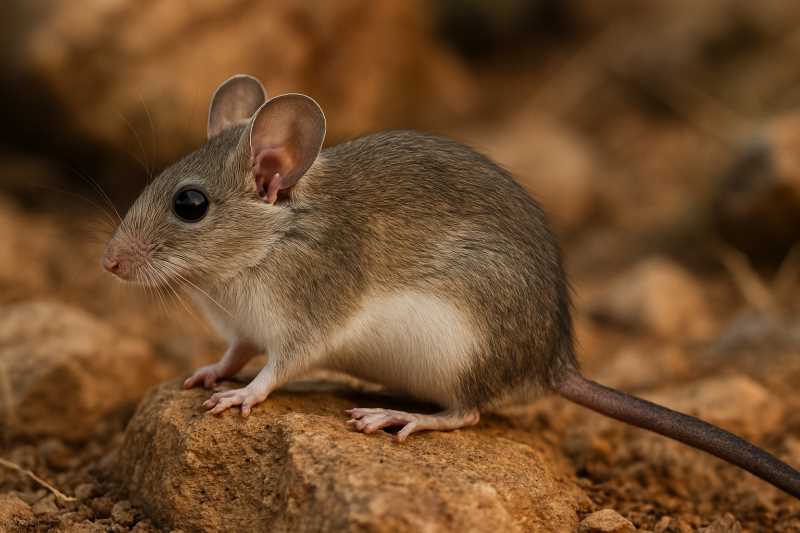
The Yemen White-bellied Rocky Mouse is a small-sized rodent characterized by its distinctive white underbelly, which contrasts sharply with its otherwise grey-brown fur. Adults typically weigh between 30 to 50 grams and have a body length ranging from 7 to 10 centimeters, excluding the tail. The tail itself is slightly longer than the body, measuring about 8 to 12 centimeters, and is covered with fine hairs. The mouse has large, rounded ears and prominent black eyes, adaptations that aid in its nocturnal lifestyle. Its limbs are relatively short but strong, equipped with sharp claws to navigate the rocky terrains of its habitat efficiently.
Range and Habitat
Ochromyscus yemeni is predominantly found in the mountainous regions of Yemen, particularly in areas characterized by rocky outcrops and sparse vegetation. These environments provide not only shelter from predators but also a rich source of food. The mouse is adapted to live in arid conditions, utilizing rock crevices and burrows to escape the harsh daytime temperatures. Its range is limited to specific altitudes where temperature and vegetation align with its ecological needs. The presence of shrubs, grasses, and occasional water sources are crucial for its survival, making the preservation of these habitats essential for the species’ continuity.
Behavior and Diet
The Yemen White-bellied Rocky Mouse is primarily nocturnal, using the cover of darkness to forage and avoid predators. Its diet mainly consists of seeds, grains, and occasionally small insects, which provide necessary proteins and fats. The mouse is known for its exceptional hoarding behavior, storing food in burrows to sustain itself during periods of scarcity. It is a solitary animal, with interactions mostly limited to mating and raising young. Communication among these mice is primarily through high-pitched vocalizations and scent markings, which help establish and maintain territories.
Identification Tips (Field Recognition Cues)
When attempting to identify the Yemen White-bellied Rocky Mouse in the field, several key characteristics can help distinguish it from other similar rodents:
- White underbelly: The stark white coloration of the mouse’s belly is a primary identifier.
- Tail length: The tail is longer than the body and ends in a tuft of fine hair.
- Ear size: Large, rounded ears relative to head size.
- Behavior: Look for nocturnal activity and food hoarding near rocky terrains.
Conservation Status (with threats and protections)
The current conservation status of the Yemen White-bellied Rocky Mouse is not well-documented, primarily due to its elusive nature and the challenging political climate in Yemen that hampers extensive research. However, habitat destruction poses a significant threat, as human activities such as agriculture and urbanization encroach upon its natural environment. Efforts to protect this species are hindered by limited resources and political instability in the region. Conservationists advocate for the establishment of protected areas and increased research funding to better understand and conserve this unique rodent.
Frequently Asked Questions
1. Where can I find the Yemen White-bellied Rocky Mouse?
The Yemen White-bellied Rocky Mouse is found in the mountainous regions of Yemen, particularly in rocky terrains with sparse vegetation.
2. What does the Yemen White-bellied Rocky Mouse eat?
Its diet primarily consists of seeds, grains, and occasionally small insects, which provide essential nutrients for survival.
3. How does the Yemen White-bellied Rocky Mouse adapt to its environment?
It adapts by utilizing rock crevices for shelter, being nocturnal to avoid heat and predators, and hoarding food to survive periods of scarcity.
4. What are the main threats to the Yemen White-bellied Rocky Mouse?
The main threats include habitat destruction due to agriculture and urban development, coupled with limited conservation efforts due to regional instability.
5. How can the Yemen White-bellied Rocky Mouse be identified in the wild?
Look for its distinctive white underbelly, long tail, large ears, and nocturnal foraging behavior near rocky areas.
Related posts