Introduction
The Western Brush Wallaby, scientifically known as Notamacropus irma, is a fascinating marsupial species endemic to Australia. This remarkable creature is part of the macropod family, which also includes kangaroos and other wallabies. Known for its agility, the Western Brush Wallaby is a key species in the diverse ecosystems of Western Australia. This article delves into the various aspects of this unique species, from its physical characteristics to its conservation status, providing a comprehensive overview for enthusiasts and researchers alike.
Physical Description
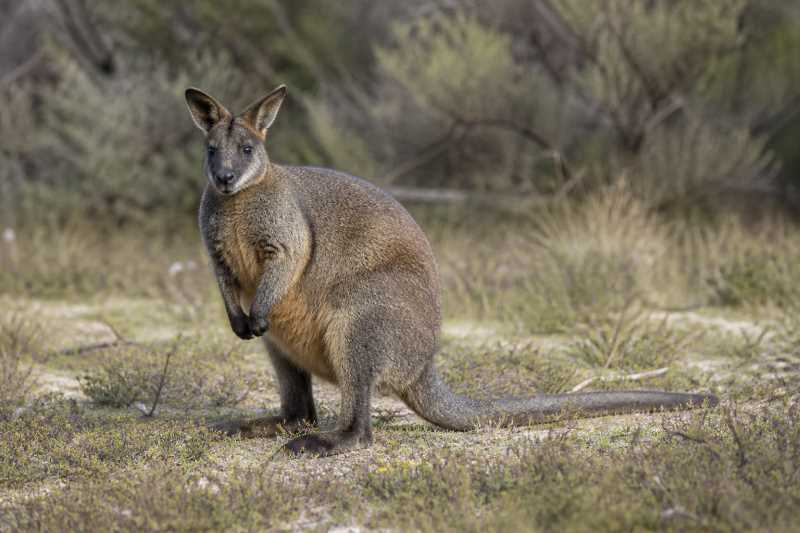
The Western Brush Wallaby is a medium-sized marsupial, with distinctive physical traits that set it apart from other wallabies. Adult wallabies typically weigh between 7 to 10 kilograms, with males generally larger than females. Their body length ranges from 70 to 90 centimeters, complemented by a tail measuring approximately 70 to 80 centimeters.
Their fur is predominantly grey with a tinge of brown, providing excellent camouflage against the Australian bushland. The underbelly is lighter, often white or pale cream, adding to their distinctive appearance. One of the most notable features is their elongated ears, which are not only expressive but also aid in detecting predators.
Range and Habitat
The Western Brush Wallaby is predominantly found in the southwestern regions of Australia. Their range extends from the coastal areas of Perth to the inland regions, thriving in diverse habitats that include woodlands, heathlands, and open forests. They prefer areas with dense understory vegetation, which provides both food and shelter.
These wallabies have adapted well to the fragmented landscapes of Western Australia. Their ability to thrive in various habitats highlights their ecological flexibility, although they show a preference for areas with abundant grass and shrub cover. Seasonal changes in vegetation significantly influence their movement patterns, as they often migrate to areas with fresh growth.
Behavior and Diet
Western Brush Wallabies are primarily crepuscular, being most active during the early morning and late afternoon. This behavior minimizes their exposure to predators and the harsh midday sun. They are solitary by nature, although small groups may form, especially around abundant food sources.
Their diet mainly consists of grasses, leaves, and shoots. They are herbivorous grazers, exhibiting selective feeding habits to ensure a balanced nutritional intake. The availability of water sources is crucial for their survival, particularly during the dry season. In the absence of sufficient water, they can derive moisture from the vegetation they consume.
Identification Tips
Identifying a Western Brush Wallaby in the wild requires keen observation of certain physical and behavioral traits. Here are some field recognition cues:
- Coloration: Look for their distinctive grey-brown fur with a lighter underbelly.
- Ears: Notice their long, pointed ears that are highly mobile.
- Tail: A long and muscular tail, used for balance and support.
- Movement: Agile hoppers with smooth, bounding gait.
- Habitat: Found in dense understory vegetation within woodlands and heathlands.
Conservation Status
The Western Brush Wallaby is currently classified as a species of ‘Least Concern’ by the IUCN Red List. However, this does not imply that they are free from threats. Habitat loss due to land clearing for agriculture and urban development poses a significant threat to their populations. Additionally, competition with introduced species, such as rabbits and livestock, further exacerbates their challenges.
Conservation efforts are in place to monitor and manage their habitats. National parks and reserves in Western Australia play a crucial role in preserving their natural environments. Moreover, public awareness campaigns aim to educate local communities about the importance of protecting this unique species.
Frequently Asked Questions
What is the typical lifespan of a Western Brush Wallaby?
Western Brush Wallabies typically live for about 9 to 14 years in the wild. Their lifespan can be influenced by factors such as predation, food availability, and habitat conditions.
How does the Western Brush Wallaby adapt to its environment?
Adaptations include their crepuscular activity pattern to avoid heat and predators, as well as their ability to derive moisture from food sources, helping them survive in varied environments.
Are Western Brush Wallabies social animals?
They are generally solitary creatures, although they may form small, loose groups when feeding. These gatherings are typically temporary and based on the availability of food.
What are the main predators of the Western Brush Wallaby?
Predators include foxes, wild dogs, and birds of prey. Human activities, such as land development, also indirectly threaten their populations.
How can I help in the conservation of Western Brush Wallabies?
Supporting conservation initiatives, respecting natural habitats, and participating in local campaigns aimed at protecting their environments are effective ways to contribute to their conservation.
Related posts