Introduction
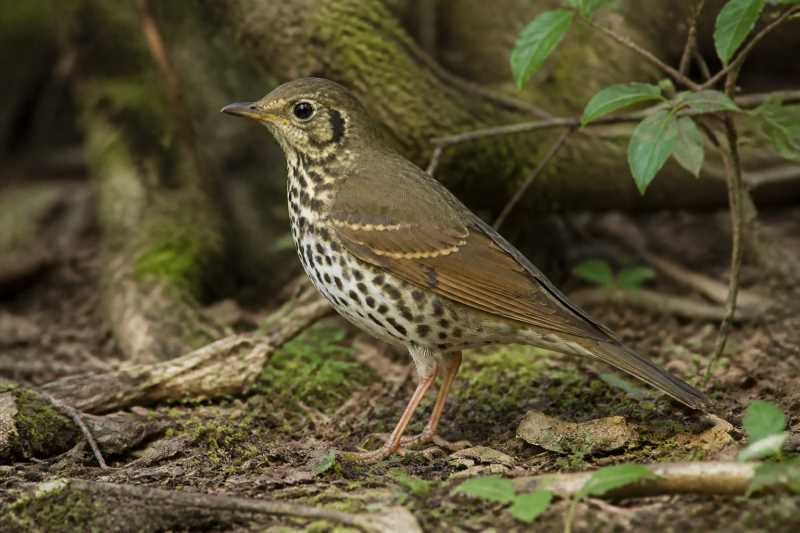
The Chinese Thrush (Turdus mupinensis) is a captivating avian species belonging to the family Turdidae. Known for its melodious song and distinct appearance, the Chinese Thrush is a bird of significant interest to ornithologists and bird enthusiasts alike. This article delves into the various aspects of the Chinese Thrush, including its habitat, behavior, breeding patterns, and conservation status.
Taxonomy and Classification
The Chinese Thrush (Turdus mupinensis) was first described by zoologist Jules Verreaux in 1871. It belongs to the order Passeriformes, which is the largest order of birds and includes over half of all bird species. Within this order, the Chinese Thrush is part of the family Turdidae, known as the true thrushes, which are characterized by their strong legs and melodious songs.
Physical Description
The Chinese Thrush is medium-sized, measuring approximately 23 to 25 centimeters in length. It exhibits sexual dimorphism, with males typically being more colorful than females. The plumage of the male is a striking combination of gray-brown and white, with distinctive black streaks on the underparts and a chestnut-brown tail. Females, on the other hand, have a more subdued coloration, with duller shades of brown and less pronounced streaks.
Habitat and Distribution
The species is primarily found in the temperate forests of central and southwestern China. It favors deciduous and mixed woodlands, often inhabiting areas with dense undergrowth and ample tree cover. The Chinese Thrush is a resident bird, meaning it does not migrate and remains within its habitat range throughout the year. Its distribution is largely restricted to regions such as Sichuan, Yunnan, and Guizhou provinces.
Behavior and Diet
The Chinese Thrush is known for its beautiful and complex song, which it uses to communicate with potential mates and to defend its territory. The song is a melodious series of whistles and trills, often delivered from a high perch. The bird is primarily diurnal, being most active during the early morning and late afternoon.
In terms of diet, the Chinese Thrush is an omnivore. Its diet consists mainly of insects, earthworms, and fruits. It forages on the forest floor, using its keen eyesight to locate prey among the leaf litter. During the breeding season, the bird’s diet shifts slightly to include more protein-rich insects to nourish its young.
Breeding and Reproduction
The breeding season for the Chinese Thrush typically occurs between April and July. During this time, males engage in elaborate singing displays to attract females. Once a pair is formed, they will work together to build a cup-shaped nest, usually situated in the fork of a tree or shrub. The female lays a clutch of 3 to 5 eggs, which she incubates for approximately two weeks.
Both parents participate in feeding the chicks, which fledge about two weeks after hatching. The fledglings remain dependent on their parents for food and protection for several weeks until they are capable of foraging independently.
Conservation Status
The Chinese Thrush is currently listed as a species of Least Concern by the International Union for Conservation of Nature (IUCN). However, it faces threats from habitat loss due to deforestation and land conversion for agriculture. Conservation efforts are focused on preserving the bird’s natural habitat and raising awareness about the importance of biodiversity in forest ecosystems.
Importance in Ecosystem
As insectivores, Chinese Thrushes play a crucial role in controlling insect populations in their habitats. Their foraging activities help maintain a balance in the ecosystem, preventing any one species of insect from becoming too dominant. Additionally, by dispersing seeds through their fruit consumption, they contribute to the propagation of various plant species, promoting forest regeneration and health.
Conclusion
The Chinese Thrush is a remarkable bird with a melodious song and an essential role in its ecosystem. While it currently enjoys a stable population, ongoing conservation efforts are necessary to ensure that this species continues to thrive in its natural habitat. By understanding and appreciating the unique characteristics of the Chinese Thrush, we can better protect and preserve the biodiversity of the regions it inhabits.
Further Research
For those interested in learning more about the Chinese Thrush, several avenues for further research exist. Field studies focusing on the bird’s behavior, migration patterns, and responses to environmental changes can provide valuable insights into its ecology. Additionally, conservation programs aimed at preserving the bird’s habitat can benefit from increased public engagement and support.
Related posts