The Grey-crowned Babbler: Social Architect of the Australian Bush
In the vast tapestry of Australia’s avian life, the Grey-crowned Babbler (Pomatostomus temporalis) stands out not just for its distinctive appearance, but for its intricate social structures and behaviors that rival those of many other bird species. Known for their cooperative breeding habits and communal living, these birds provide a fascinating glimpse into the complexities of avian society.
Taxonomy and Distribution
Belonging to the family Pomatostomidae, the Grey-crowned Babbler is predominantly found in eastern and northern Australia, with its range extending into southern New Guinea. The species is further divided into two subspecies: the eastern (P. t. temporalis) and the northern (P. t. rubeculus). The former is more widespread across eastern Australia, while the latter is confined to northern regions.
These birds are adaptable and thrive in a variety of habitats, including open woodlands, savannas, and farmlands. However, they exhibit a preference for areas with dense undergrowth, which provides them with ample foraging opportunities and protection from predators.
Physical Characteristics
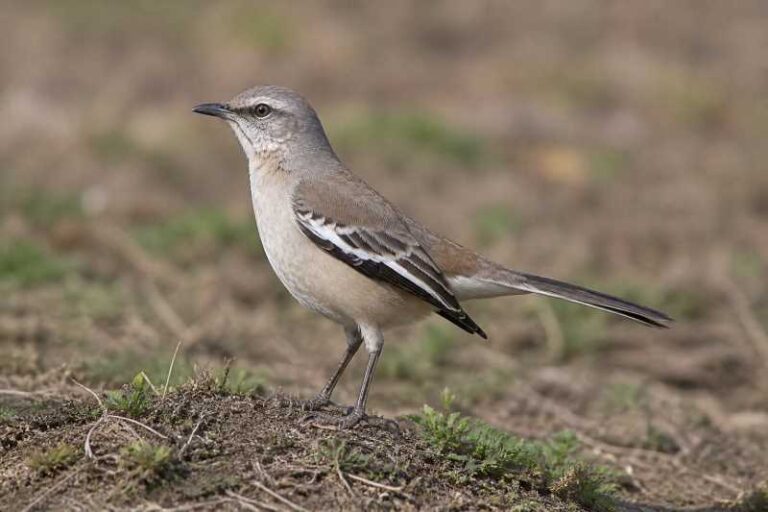
The Grey-crowned Babbler is a medium-sized bird, measuring approximately 24 to 28 centimeters in length. Its plumage is predominantly brown, with a distinctive grey crown and a pale eyebrow stripe that gives the species its name. The underparts are a lighter, buff color, and the tail is long and rounded, often cocked upwards as the bird moves.
Their robust, slightly curved bills are perfect for their foraging habits, allowing them to probe through leaf litter and soil in search of insects and other small invertebrates. While their coloration may seem unremarkable at first glance, closer inspection reveals a bird perfectly adapted to its environment, with plumage that blends seamlessly into the earthy tones of the Australian bush.
Social Structure and Behavior
One of the most striking features of the Grey-crowned Babbler is its highly social nature. These birds live in groups that can range from small family units to larger communal cohorts of up to 15 individuals. Within these groups, a complex social hierarchy is maintained, with a dominant breeding pair at the helm.
Cooperative breeding is a hallmark of the Grey-crowned Babbler’s social system. Non-breeding members of the group, often offspring from previous broods, take on roles as helpers. These helpers assist with various tasks, such as building and maintaining nests, incubating eggs, and feeding the young. This communal approach not only increases the survival rate of the chicks but also strengthens the social bonds within the group.
Nesting and Reproduction
The nesting habits of the Grey-crowned Babbler are a testament to their architectural prowess and cooperative nature. Nests are large, dome-shaped structures made from sticks and twigs, often lined with softer materials such as grass or feathers. These nests are typically built in the forks of trees, well above the ground, providing safety from ground-dwelling predators.
The breeding season varies depending on regional climatic conditions but generally occurs from July to January. During this time, the dominant pair will lay 2 to 5 eggs, which are incubated for around 23 to 25 days. After hatching, the chicks are altricial, meaning they are born relatively undeveloped and require extensive care. This is where the helper birds play a crucial role, bringing food and helping protect the nest from potential threats.
Vocalizations
Vocal communication is another vital aspect of Grey-crowned Babbler society. These birds are known for their loud, distinctive calls, which serve multiple purposes. Calls are used to coordinate group activities, establish territory, and strengthen social bonds. The babblers’ vocal repertoire is varied and includes a range of chattering, whistling, and clucking sounds, often performed in a chorus by the group.
Conservation Status and Threats
Currently, the Grey-crowned Babbler is listed as a species of Least Concern by the International Union for Conservation of Nature (IUCN). However, certain populations, particularly those in more fragmented and urbanized areas, face threats from habitat loss and degradation. Land clearing for agriculture, urban development, and the introduction of invasive species have all contributed to the decline of suitable habitats.
Conservation efforts are focused on habitat preservation and restoration, as well as community engagement to raise awareness about the ecological importance of these birds. Protecting the habitats where Grey-crowned Babblers thrive is crucial not only for their survival but also for maintaining the biodiversity of the regions they inhabit.
Conclusion
The Grey-crowned Babbler is more than just a bird; it is an integral part of the ecosystem and a remarkable example of avian social complexity. Their cooperative behavior, intricate social structures, and adaptability to various environments make them a subject of interest for ornithologists and bird enthusiasts alike. As we continue to learn more about their habits and habitats, it becomes increasingly clear that these birds are not just surviving but thriving in the dynamic landscapes of Australia and New Guinea.
By understanding and appreciating the role of the Grey-crowned Babbler in its ecosystem, we can better appreciate the delicate balance of nature and the importance of conserving our wildlife for future generations.
Related posts