Arabian Partridge: A Jewel of the Arid Landscapes
The Arabian Partridge (Alectoris melanocephala) is an exquisite bird species that has captured the fascination of ornithologists and bird enthusiasts alike. This bird, belonging to the Phasianidae family, is native to the Arabian Peninsula, where it thrives amidst the rugged terrains and arid landscapes. Its distinctive appearance, adaptive behaviors, and ecological significance make it a subject worthy of exploration.
Taxonomy and Physical Description
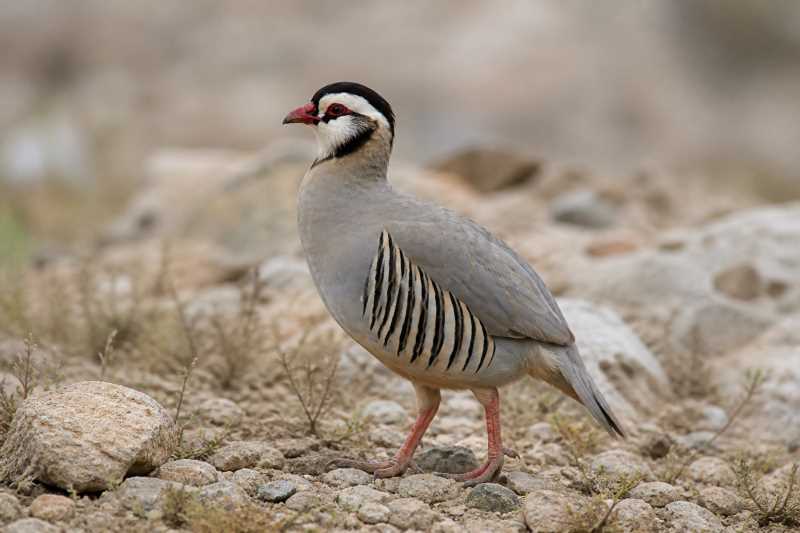
The Arabian Partridge is a member of the genus Alectoris, which encompasses several species of partridges. Characterized by its striking plumage, the Arabian Partridge exhibits a blend of gray, brown, and chestnut hues. Its most distinguishing feature is the contrasting black cap and facial markings, which give the bird its name, ‘melanocephala’—derived from the Greek words ‘melas’ meaning black, and ‘kephalē’ meaning head.
This medium-sized bird typically measures between 33 to 36 centimeters in length and has a wingspan of about 45 to 50 centimeters. Its robust body and short, rounded wings are adapted for quick bursts of flight, especially when escaping predators. The Arabian Partridge’s legs are strong and red, facilitating swift movement across its rocky habitat.
Habitat and Distribution
The Arabian Partridge is a quintessential bird of the desert and semi-desert regions. Its range extends across the Arabian Peninsula, including countries such as Saudi Arabia, Yemen, Oman, and the United Arab Emirates. This species favors altitudes ranging from lowland deserts to mountainous regions up to 2800 meters.
These birds are typically found in arid and semi-arid habitats, including rocky hillsides, scrublands, and wadis (dry riverbeds). The partridge’s ability to thrive in such challenging environments is a testament to its remarkable adaptability. It has evolved to withstand the harsh desert climate, exhibiting behaviors and physiological adaptations that enable it to conserve water and regulate body temperature.
Behavior and Diet
The Arabian Partridge is primarily a ground-dwelling bird, known for its shy and elusive nature. It is usually seen in small groups or coveys, which may consist of up to 15 individuals. These birds are adept foragers, spending much of their time searching for food. Their diet is omnivorous, comprising seeds, grains, insects, and small invertebrates. During the breeding season, their diet shifts slightly to include more protein-rich foods like insects, which are crucial for chick development.
Breeding typically occurs between March and June, coinciding with the availability of food resources. Arabian Partridges are monogamous, with pairs forming long-lasting bonds. The female is responsible for building the nest, a simple scrape in the ground lined with vegetation. She lays a clutch of 8 to 12 eggs, which are incubated for about 24 days. The chicks are precocial, meaning they are relatively mature and mobile shortly after hatching, allowing them to follow their parents in search of food.
Conservation Status and Threats
Despite its adaptability, the Arabian Partridge faces several threats that have led to its classification as Near Threatened on the IUCN Red List. The primary threat to this species is habitat degradation, driven by human activities such as overgrazing, urbanization, and infrastructure development. Additionally, hunting and trapping for sport and local consumption pose significant risks to their populations.
Climate change further exacerbates these challenges by altering the availability of water and food resources, crucial for their survival in such extreme environments. Conservation efforts aimed at preserving their natural habitats and regulating hunting practices are vital for ensuring the sustainability of Arabian Partridge populations.
Ecological and Cultural Significance
The Arabian Partridge plays a vital role in its ecosystem as both a prey and a predator. It helps control insect populations and contributes to seed dispersal, which is essential for maintaining the health and diversity of desert flora. In cultural contexts, this bird is often revered symbolically and has been featured in various traditional stories and folklore throughout the Arabian Peninsula.
Conclusion
The Arabian Partridge is an emblem of resilience and adaptability, thriving in some of the most challenging environments on Earth. Its striking appearance and ecological importance make it a species worth conserving. Protecting the Arabian Partridge requires a concerted effort to address the threats it faces, ensuring that future generations can continue to admire this remarkable bird in its natural habitat.
In conclusion, the Arabian Partridge is not just a bird but a symbol of the rich biodiversity of the Arabian Peninsula, reflecting the delicate balance of nature in an arid landscape. Its conservation is a testament to the broader efforts needed to preserve wildlife in increasingly threatened ecosystems.
Related posts