Introduction
Neave’s Mouse, scientifically known as Mus neavei, is a small rodent belonging to the family Muridae. This elusive species is found in specific regions of Africa and is of particular interest to researchers due to its distinct characteristics and ecological role. The study of Neave’s Mouse not only contributes to our understanding of rodent biodiversity but also aids in the broader comprehension of ecosystem dynamics in its native habitats.
Physical Description
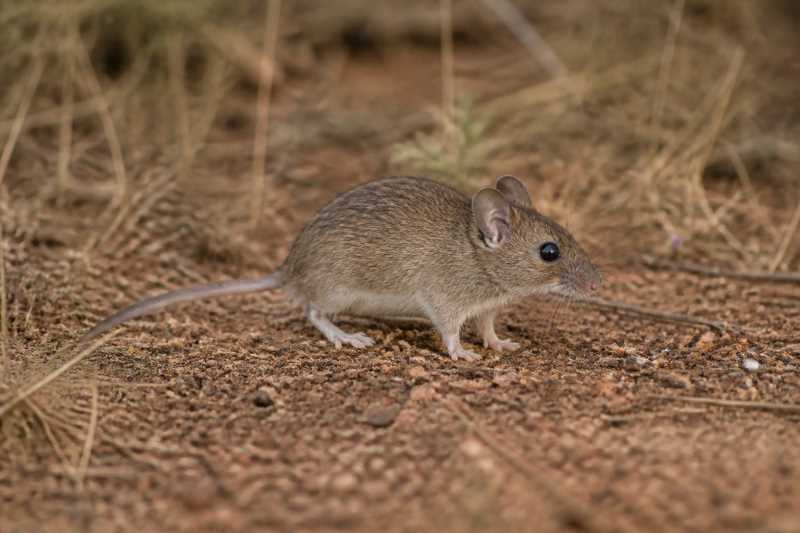
Neave’s Mouse is characterized by its small size and unique physical features that distinguish it from other rodent species. Typically, an adult measures around 70 to 90 millimeters in body length with a tail extending slightly longer than its body, ranging from 80 to 100 millimeters. The fur of Neave’s Mouse is soft and dense, exhibiting a brownish-gray color on the dorsum, which provides excellent camouflage against the earthy tones of its natural environment. The ventral side is usually lighter, often whitish or pale gray.
The ears of Neave’s Mouse are relatively large in proportion to its head, enhancing its auditory capabilities, which are crucial for predator avoidance and foraging. Its eyes are prominent, indicating a reliance on visual cues in its behavior. The feet are adapted for ground dwelling, with sharp claws that facilitate digging and climbing.
Range and Habitat
Neave’s Mouse is primarily found in the central and southern regions of Africa, with populations documented in countries such as Zambia, Angola, and the Democratic Republic of the Congo. Its habitat preference includes savanna grasslands, open woodlands, and areas with abundant leaf litter, which provide cover and foraging opportunities.
This species is often associated with regions that have a mixture of rocky outcrops and vegetation, which offer both shelter and food resources. The adaptability of Neave’s Mouse to different microhabitats underscores its resilience and ability to thrive in varying environmental conditions.
Behavior and Diet
The behavior of Neave’s Mouse is largely nocturnal, with the majority of its activities occurring at night. This nocturnal lifestyle is an evolutionary adaptation that reduces predation risk and allows exploitation of food resources that are less accessible to diurnal species.
Neave’s Mouse is an omnivorous forager, with a diet comprising seeds, fruits, insects, and occasionally small invertebrates. Its foraging behavior is opportunistic, and it is known to store food within its burrows for periods of scarcity. This caching behavior not only ensures a steady food supply but also reflects the mouse’s adaptability to its environment.
Identification Tips (Field Recognition Cues)
Identifying Neave’s Mouse in the field involves observing several key characteristics. Look for a small rodent with a body length of 70 to 90 millimeters and a tail longer than its body. The fur should be a brownish-gray on the back and lighter on the underside.
Pay attention to the size of the ears, which are large and rounded, and the eyes, which are prominent. The mouse’s movement is typically quick and agile, often seen darting through underbrush or among rocks. Vocalizations are rare, but when heard, they consist of high-pitched squeaks.
Conservation Status (With Threats and Protections)
Currently, Neave’s Mouse is classified as Least Concern by the International Union for Conservation of Nature (IUCN). However, its populations face threats from habitat destruction due to agricultural expansion, deforestation, and human settlement. These activities reduce the availability of suitable habitats and increase the likelihood of encounters with predators and human-made hazards.
Conservation efforts for Neave’s Mouse focus on habitat preservation and the establishment of protected areas. Research into its ecology and population dynamics is crucial for developing effective conservation strategies. Additionally, raising awareness about the species and its role in the ecosystem can foster community support for its protection.
Frequently Asked Questions
Why is this species unique?
Neave’s Mouse is unique due to its adaptability to diverse habitats in central and southern Africa. Its ability to thrive in different environmental conditions and its nocturnal lifestyle are key factors that contribute to its uniqueness among rodent species.
What are the main threats to Neave’s Mouse?
The main threats to Neave’s Mouse include habitat destruction from agricultural expansion and deforestation. These activities lead to the loss of suitable habitats and increase the risk of predation and human-related dangers.
How can Neave’s Mouse be protected?
Protection of Neave’s Mouse can be achieved through habitat preservation, the creation of protected areas, and increased research into its ecology. Public awareness campaigns can also help garner support for conservation efforts.
What does Neave’s Mouse eat?
Neave’s Mouse has an omnivorous diet, primarily feeding on seeds, fruits, insects, and small invertebrates. Its foraging behavior is opportunistic, allowing it to exploit a variety of food sources.
Related posts