The Ultramarine Kingfisher: A Jewel of the Solomon Islands
The Ultramarine Kingfisher, known scientifically as Todiramphus leucopygius, is a remarkable avian species that inhabits the dense forests of the Solomon Islands. This medium-sized bird is distinguished by its striking plumage and elusive nature, making it a subject of fascination for ornithologists and bird enthusiasts alike.
Habitat and Distribution
Endemic to the Solomon Islands, the Ultramarine Kingfisher’s range is primarily confined to several key islands, including Bougainville and Choiseul. These birds are typically found in lowland and montane rainforests, where they prefer dense canopy cover and proximity to water bodies. The lush, verdant environment of these islands provides an ideal backdrop for the kingfisher’s vibrant coloration, as well as ample opportunities for feeding and nesting.
Physical Characteristics
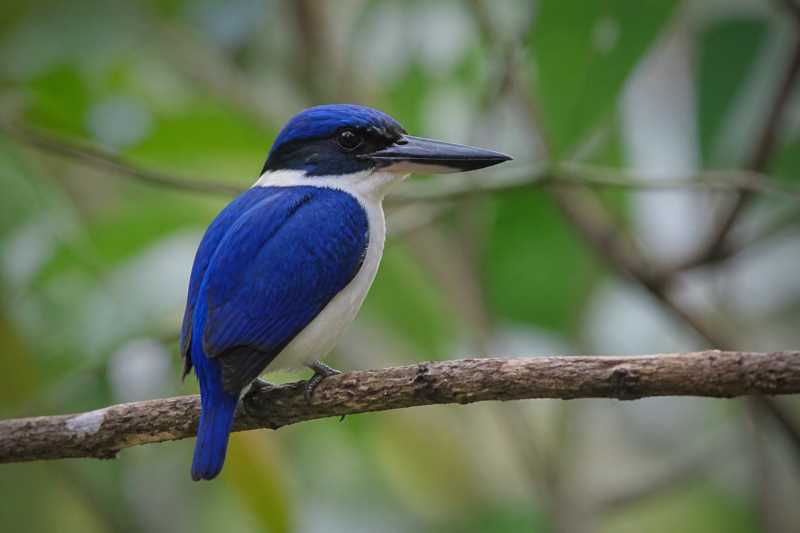
The Ultramarine Kingfisher is renowned for its vivid coloration, which is its most distinguishing feature. Its upper parts are a rich, deep blue, reminiscent of the ultramarine pigment from which it derives its name. This striking blue contrasts sharply with the bird’s white underparts and throat, creating a visually arresting appearance. The bird’s robust bill is adapted for hunting and consuming a varied diet, which primarily consists of insects, small reptiles, and crustaceans.
Male and female Ultramarine Kingfishers are similar in appearance, though the female may exhibit slightly duller plumage. Both sexes are approximately 20 to 23 centimeters in length, with a wingspan that complements their medium size. Their strong, swift flight and keen eyesight make them adept hunters.
Behavior and Diet
The Ultramarine Kingfisher is a solitary and territorial bird, often seen perched quietly on branches, scanning the surroundings for prey. Its diet is diverse, encompassing insects, small crustaceans, and occasionally small vertebrates such as lizards. This varied diet reflects the abundance of prey in its native habitat, allowing the kingfisher to thrive in the rich ecosystems of the Solomon Islands.
Despite their solitary nature, these kingfishers are known to engage in complex vocalizations. Their calls, a series of sharp, high-pitched notes, serve as both a territorial warning and a means of communication between mates. During breeding seasons, these calls become more frequent and intense, signaling the bird’s readiness to mate and establish territory.
Conservation Status
The Ultramarine Kingfisher is currently classified as Near Threatened by the International Union for Conservation of Nature (IUCN). This status is primarily due to habitat loss caused by logging, agriculture, and human encroachment. The lush forests of the Solomon Islands are continually under threat, and with them, the delicate ecosystems that support species like the Ultramarine Kingfisher.
Conservation efforts are critical to preserving these birds and their habitat. Initiatives aimed at protecting the rainforests and promoting sustainable land use are essential to ensuring the survival of this and many other species endemic to the region. Local and international conservation organizations are working tirelessly to raise awareness and implement measures that will help mitigate the impact of human activities on these fragile ecosystems.
The Importance of the Ultramarine Kingfisher
Beyond its intrinsic beauty, the Ultramarine Kingfisher plays a vital role in the ecological balance of its habitat. As a predator, it helps regulate insect populations, contributing to the health of the forest ecosystem. Additionally, its presence is a key indicator of environmental health, as these birds are sensitive to changes in their habitat.
Birdwatchers and ecotourists are increasingly drawn to the Solomon Islands, hoping to catch a glimpse of this enchanting bird. Their interest not only fosters a greater appreciation for the region’s natural beauty but also supports local economies through sustainable tourism.
Conclusion
The Ultramarine Kingfisher, with its resplendent plumage and unique ecological role, is a testament to the biodiversity of the Solomon Islands. Protecting this species requires a concerted effort from conservationists, governments, and local communities to safeguard its habitat and ensure that future generations can continue to marvel at this avian jewel. By valuing and preserving such species, we contribute to the broader goal of maintaining the Earth’s rich and diverse natural heritage.
Related posts