Introduction
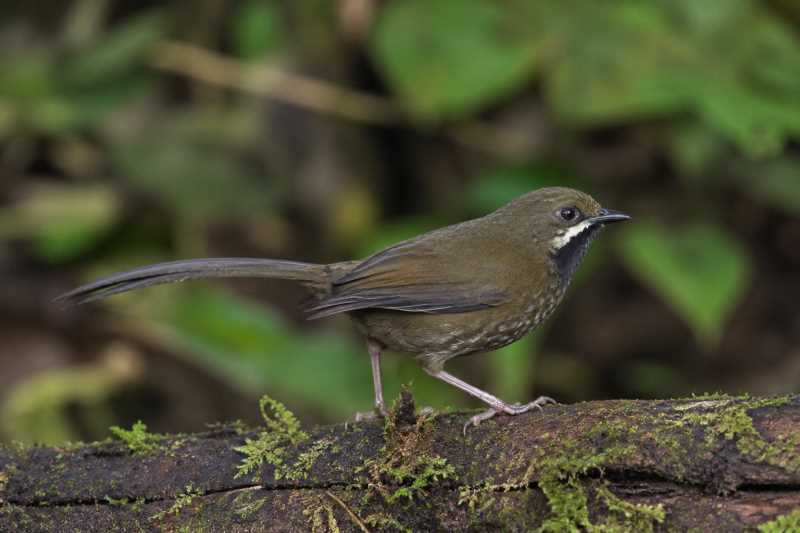
The Papuan Whipbird, scientifically known as Androphobus viridis, is a fascinating bird species endemic to the montane rainforests of New Guinea. Despite its elusive nature, the Papuan Whipbird captures the interest of ornithologists and bird enthusiasts due to its distinct vocalizations and unique habitat preferences. This article explores the characteristics, habitat, behavior, and conservation status of the Papuan Whipbird.
Taxonomy and Classification
The Papuan Whipbird belongs to the family Psophodidae, a group of birds known for their loud and distinctive calls. Initially described in the early 20th century, the bird’s scientific name, Androphobus viridis, reflects its striking green plumage and peculiar behavioral traits. The genus name Androphobus combines Greek words meaning ‘man’ and ‘fear’, possibly alluding to its wary nature. The specific epithet, viridis, translates to ‘green’ in Latin, aptly describing the bird’s predominant coloration.
Physical Description
Measuring approximately 23 to 25 centimeters in length, the Papuan Whipbird is a medium-sized bird known for its vibrant green feathers that provide excellent camouflage within its leafy habitat. Its plumage is predominantly green, with subtle variations that include darker shades on the wings and tail. The bird’s underside is lighter, often displaying a pale yellow or whitish hue. Its eyes are characteristically striking, showcasing a bright orange or reddish coloration that contrasts with its green feathers.
Habitat and Distribution
The Papuan Whipbird is native to the montane rainforests of New Guinea, inhabiting altitudes ranging from 1,000 to 2,800 meters above sea level. These environments are characterized by dense vegetation and high humidity, providing an ideal setting for the bird’s reclusive lifestyle. The species is predominantly found in the central and eastern highlands of Papua New Guinea, where it occupies forested areas rich in moss, ferns, and epiphytes.
Behavior and Ecology
Papuan Whipbirds are known for their secretive nature, often remaining concealed within dense foliage. They are typically found in pairs or small family groups, engaging in foraging activities that involve searching for insects and small invertebrates among the leaf litter and low vegetation. Their diet primarily consists of insects, spiders, and occasionally small fruits and seeds.
One of the most distinctive features of the Papuan Whipbird is its vocalization. The bird produces a series of sharp, whip-like calls that resonate through the forest, serving as a means of communication between individuals. These calls are particularly prominent during the breeding season, which generally occurs from September to January. The whip-like sound is produced by the rapid snapping of the bird’s wings against its body, a behavior that is both intriguing and unique among avian species.
Reproduction and Lifespan
The breeding habits of the Papuan Whipbird are not extensively documented, largely due to the bird’s elusive nature. However, it is known that they build cup-shaped nests using twigs, leaves, and moss, often positioning them in dense undergrowth or low branches. The female typically lays two to three eggs, which are incubated for about two weeks. Both parents are involved in feeding and caring for the chicks, which fledge approximately three weeks after hatching.
The lifespan of the Papuan Whipbird is not well-documented, but like many small to medium-sized birds, it is estimated to live for around five to ten years in the wild, depending on environmental conditions and predation pressures.
Conservation Status
The International Union for Conservation of Nature (IUCN) currently lists the Papuan Whipbird as a species of "Least Concern". However, this classification does not imply that the species is free from threats. The primary concern for the Papuan Whipbird is habitat destruction due to logging and agricultural expansion, which poses a significant risk to its montane forest habitat. Conservation efforts are essential to ensure the preservation of its natural environment, safeguarding the species from potential future decline.
Conclusion
The Papuan Whipbird is a remarkable species that embodies the rich biodiversity of New Guinea’s montane rainforests. Its vibrant plumage, unique vocalizations, and elusive behavior make it a subject of interest for ornithologists and birdwatchers alike. While currently not endangered, the Papuan Whipbird’s reliance on intact forest ecosystems highlights the importance of conservation measures to protect its habitat from the growing threats of deforestation and habitat degradation. Through continued research and conservation efforts, we can ensure that this enigmatic bird continues to thrive in its natural environment for generations to come.
Related posts