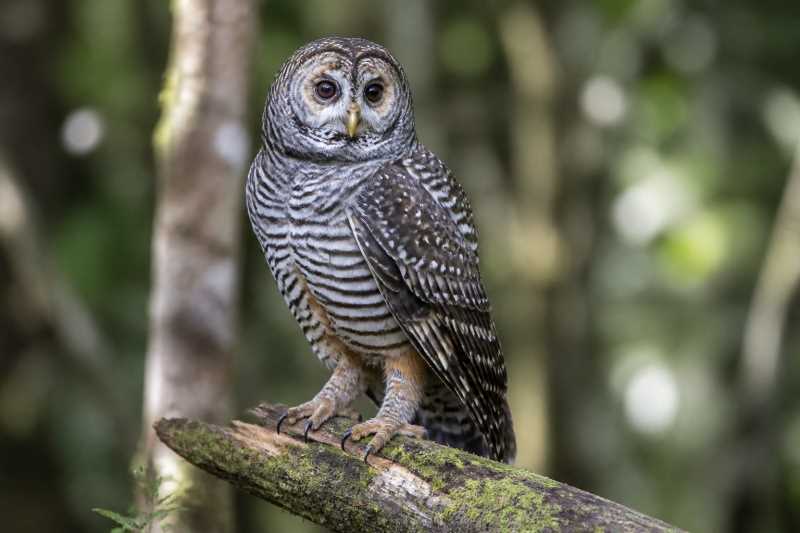
The Rufous-legged Owl: An Elusive Majesty of the Southern Forests
The Rufous-legged Owl (Strix rufipes) is a captivating species that piques the interest of ornithologists and nature enthusiasts alike. Its subtle beauty and elusive nature make it a subject of intrigue, especially in the richly biodiverse regions it inhabits. This article delves into the fascinating aspects of the Rufous-legged Owl, exploring its habitat, physical characteristics, behavior, and the conservation challenges it faces.
Habitat and Distribution
The Rufous-legged Owl is predominantly found in the temperate forests of southern South America, with its range extending through Chile and Argentina. It thrives in the dense, humid forests of Patagonia, preferring areas with ample tree cover that provide both shelter and hunting grounds. These regions are characterized by their lush vegetation, comprising mainly of Nothofagus species, also known as southern beeches, which are integral to the owl’s habitat.
The preference for dense forest habitats means that the Rufous-legged Owl is often associated with old-growth forests. These environments not only offer ideal nesting sites but also support a diverse array of prey species, making them crucial for the owl’s survival. As such, the preservation of these forests is vital to maintaining the natural balance and ensuring the owl’s continued existence.
Physical Characteristics
The Rufous-legged Owl is a medium-sized, robust bird, with a length ranging from 35 to 40 centimeters and a wingspan of approximately 80 to 95 centimeters. Its plumage is a striking blend of earthy tones, featuring a mix of browns, whites, and grays, with distinctive rufous coloring on its legs, which is how it gets its name. The owl’s facial disc is prominent, framed by dark brown feathers that enhance its striking appearance.
The large, dark eyes of the Rufous-legged Owl are adapted for nocturnal life, allowing it to see exceptionally well in low light conditions. Its strong, hooked beak and sharp talons are perfect adaptations for capturing and consuming prey, underscoring the owl’s role as a skilled nocturnal predator.
Behavior and Diet
Primarily nocturnal, the Rufous-legged Owl is a solitary hunter that relies on its acute sense of hearing and sight to locate prey in the darkness. Its diet mainly consists of small mammals, such as rodents, but it is also known to feed on birds, insects, and occasionally amphibians. The owl’s hunting strategy typically involves perching silently on a branch, scanning the forest floor for movement, before swooping down on its prey with remarkable precision.
During the breeding season, which occurs from October to January, the Rufous-legged Owl becomes more vocal. Its haunting calls, often described as a series of deep hoots, are used to establish territory and attract a mate. Once paired, the owls will select a nesting site within a tree cavity or a sheltered ledge, where the female will lay a clutch of one to two eggs. Both parents are involved in rearing the young, with the male primarily responsible for hunting and providing food.
Conservation Challenges
Despite being classified as a species of Least Concern by the International Union for Conservation of Nature (IUCN), the Rufous-legged Owl faces several threats that could impact its long-term survival. Habitat destruction poses the most significant risk, with deforestation and land conversion for agriculture and urban development reducing the availability of suitable nesting and hunting grounds.
Climate change also presents a looming threat, potentially altering the delicate ecosystems of the Patagonian forests. Changes in temperature and precipitation patterns could affect the composition of these forests, impacting both the owl and its prey species. Additionally, increased human activity within these habitats can lead to disturbances that negatively affect the owl’s reproductive success and survival.
Conservation efforts are crucial to protecting the Rufous-legged Owl and its habitat. These efforts include the establishment of protected areas, sustainable forest management practices, and awareness campaigns to educate local communities about the importance of preserving these unique ecosystems. By fostering a deeper understanding of the Rufous-legged Owl and its ecological role, we can work towards ensuring its continued presence in the forests of southern South America.
Conclusion
The Rufous-legged Owl stands as a symbol of the rich natural heritage found in the temperate forests of Chile and Argentina. Its elusive nature and distinctive characteristics make it a fascinating subject of study, while its presence in the ecosystem underscores the importance of preserving its habitat. As we continue to explore and understand the complexities of this majestic bird, it becomes increasingly clear that concerted conservation efforts are needed to protect the Rufous-legged Owl and the vibrant ecosystems it calls home.
Related posts