Least Nighthawk: The Enigmatic Crepuscular Bird of the Americas
The Lesser Nighthawk (Chordeiles pusillus), a small and elusive bird found in the Americas, is a fascinating species that continues to intrigue ornithologists and bird enthusiasts alike. Characterized by its unique adaptations and behavior, the Least Nighthawk is a testament to the diversity and complexity of avian life. This article delves into the habitat, behavior, and conservation status of this remarkable bird, shedding light on its role in the ecosystem and the challenges it faces.
Habitat and Distribution
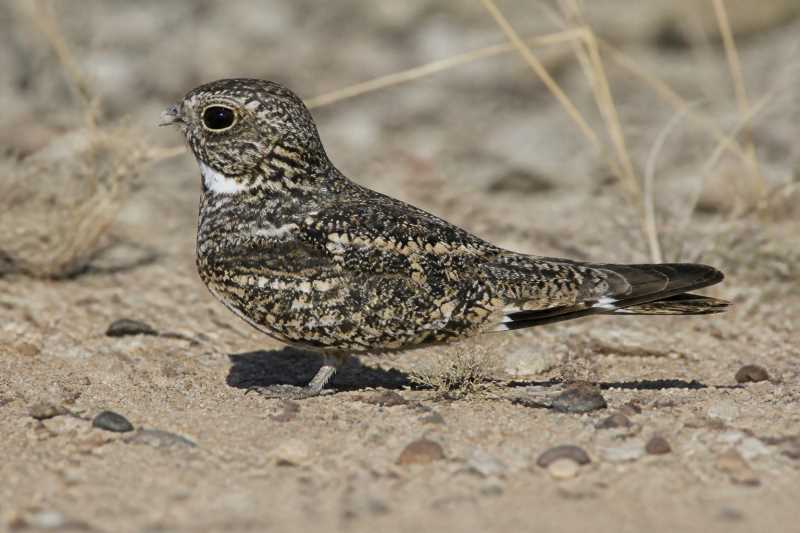
The Least Nighthawk inhabits a broad range that extends from the southern United States through Central America and into parts of South America, including Brazil and Peru. Preferring open and semi-open landscapes, these birds are often found in savannas, grasslands, and scrublands. They thrive in environments where they can blend into their surroundings, using their cryptic plumage as a form of camouflage against predators.
Adaptability plays a crucial role in the survival of the Least Nighthawk. Unlike many bird species that are highly specialized, the Least Nighthawk can exploit various habitats, allowing it to maintain a relatively stable population across its range. This adaptability is evident in its feeding habits and nesting behavior, which are finely tuned to the conditions of its environment.
Physical Characteristics
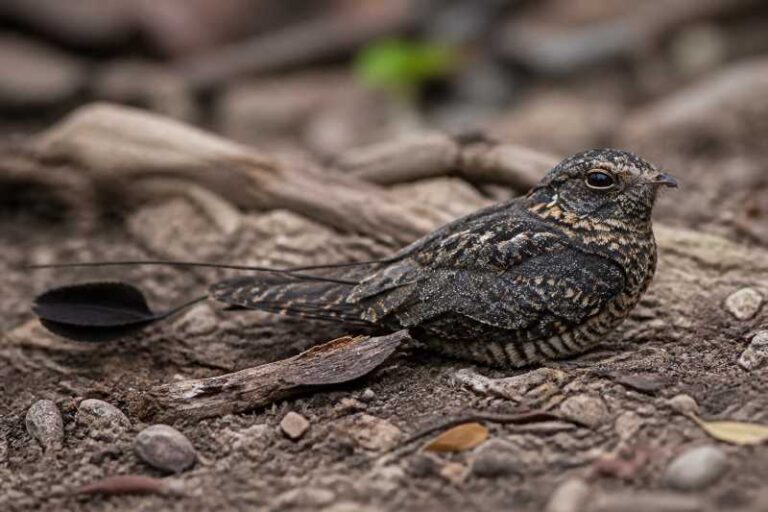
The Least Nighthawk is a small, brownish bird, measuring about 16 to 20 centimeters in length, with a wingspan ranging from 38 to 46 centimeters. Its plumage is intricately patterned with shades of browns, whites, and grays, providing excellent camouflage against the ground and vegetation. This cryptic coloration is essential for avoiding predators, especially during the day when the bird is at rest.
One of the most distinctive features of the Least Nighthawk is its large eyes, adapted for enhanced vision in low-light conditions. This adaptation is crucial for its nocturnal lifestyle, as it primarily feeds during the twilight hours of dawn and dusk.
Behavior and Diet
As a member of the nightjar family, the Least Nighthawk exhibits several behaviors typical of crepuscular birds. It is most active during the twilight hours, engaging in aerial foraging to catch insects on the wing. Its diet primarily consists of flying insects, such as moths and beetles, which it captures using its wide, gaping mouth.
The Least Nighthawk’s flight is characterized by its buoyant, erratic patterns, allowing it to deftly maneuver through the air while hunting. This agility is an asset in capturing prey and evading potential threats.
Reproduction and Nesting
Breeding season for the Least Nighthawk varies across its range, generally coinciding with the onset of the wet season when insect prey is most abundant. Unlike many birds, the Least Nighthawk does not build a traditional nest. Instead, it lays its eggs directly on the ground, often on bare soil or gravel, relying on its camouflage to protect the eggs from predators.
The female typically lays one to two eggs per clutch, which she incubates for about 19 to 21 days. Both parents are involved in caring for the young, feeding them regurgitated insects until they are ready to fledge.
Conservation Status and Threats
The International Union for Conservation of Nature (IUCN) currently lists the Least Nighthawk as a species of Least Concern. However, like many wildlife species, it faces numerous threats from habitat destruction, pesticide use, and climate change. Agricultural expansion and urbanization continue to encroach upon its natural habitats, reducing the available space for feeding and breeding.
Moreover, the widespread use of pesticides in agriculture poses a significant threat to the Least Nighthawk’s food sources. Insects, which form the bulk of its diet, are often the unintended victims of chemical applications, leading to reduced food availability.
Climate change also poses a long-term challenge, potentially altering the distribution of suitable habitats and affecting the timing of breeding seasons. Conservation efforts aimed at preserving open habitats and reducing pesticide use are crucial for ensuring the continued survival of the Least Nighthawk.
Conclusion
The Least Nighthawk, with its cryptic plumage, crepuscular lifestyle, and remarkable adaptability, is a species that embodies the resilience and diversity of avian life. While currently not at immediate risk, it remains vulnerable to the ongoing threats posed by human activities. Continued research and conservation efforts are essential to protect this enigmatic bird and maintain the ecological balance it helps to uphold. By understanding and appreciating the unique characteristics of the Least Nighthawk, we can better appreciate the intricate web of life that sustains our planet.
Related posts