Introduction
Patrizi’s Trident Roundleaf Bat, scientifically known as Asellia patrizii, is a lesser-known but fascinating member of the Chiroptera order. This small bat species is distinguished by its unique facial features and trident-shaped noseleaf, which are integral to its echolocation abilities. Discovered in the mid-20th century, this bat species has intrigued researchers and bat enthusiasts alike due to its limited range and distinct characteristics. In this article, we delve into the various aspects of Patrizi’s Trident Roundleaf Bat, covering everything from its physical description to its conservation status.
Physical Description
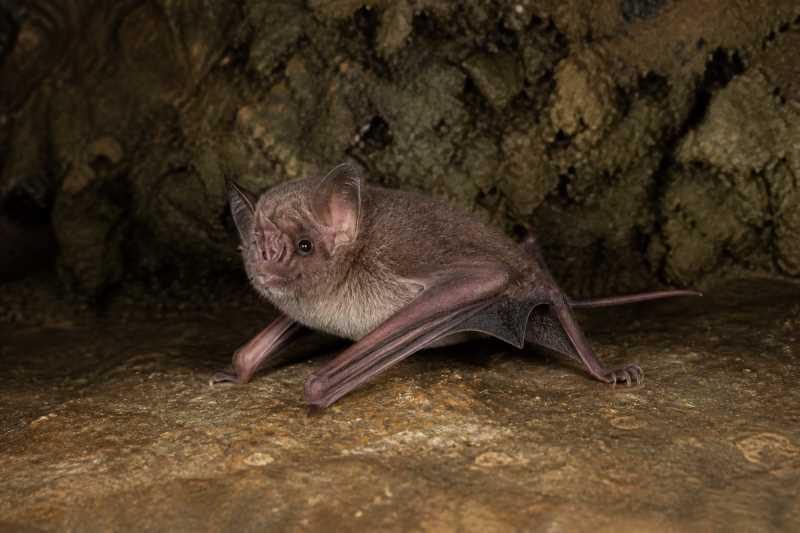
Patrizi’s Trident Roundleaf Bat is a small to medium-sized bat, characterized by its trident-shaped noseleaf. This unique feature is not just for show; it plays a crucial role in the bat’s echolocation, helping it navigate and hunt in its environment. The bat’s fur is typically a grayish-brown, providing excellent camouflage against the rocky habitats it often occupies. Its wings are broad and well-adapted for agile flight, while its ears are large and rounded, enhancing its auditory capabilities.
Males and females do not exhibit significant sexual dimorphism, although females may be slightly larger. The average wingspan ranges from 25 to 30 centimeters, and they weigh between 10 to 15 grams. One of the most striking features of this species is the three-pronged noseleaf, which, along with its large, expressive eyes, gives it a distinctive and somewhat endearing appearance.
Range and Habitat
The natural range of Patrizi’s Trident Roundleaf Bat is relatively restricted, primarily found in the arid and semi-arid regions of northeastern Africa, particularly in countries such as Somalia and Ethiopia. These bats prefer habitats that provide ample roosting opportunities, such as caves, rock crevices, and old buildings.
They are often found in dry savannas and semi-deserts, where they can take advantage of the sparse vegetation and open spaces for hunting. Despite the harshness of these environments, Asellia patrizii has adapted well, utilizing its keen senses and agile flight to thrive.
Behavior and Diet
Patrizi’s Trident Roundleaf Bat is primarily insectivorous, feeding on a variety of insects, including moths, beetles, and flies. Its echolocation abilities are highly developed, allowing it to detect and catch prey with remarkable precision during nocturnal foraging flights.
These bats are mostly solitary or found in small groups, roosting in secluded locations during the day and emerging at dusk to hunt. They are known for their agile flight patterns, which enable them to maneuver through their rocky habitats with ease. Social interactions are minimal outside of the breeding season, but communication through vocalizations and echolocation is common.
Identification Tips (Field Recognition Cues)
Identifying Patrizi’s Trident Roundleaf Bat in the field requires keen observation skills. Here are some tips:
- Noseleaf: The trident-shaped noseleaf is the most distinctive feature, setting it apart from other bat species.
- Coloration: Look for the grayish-brown fur, which blends well with rocky surroundings.
- Size: Note the small to medium size, with a wingspan of 25-30 cm.
- Flight Pattern: Observe its agile and erratic flight, typical of insectivorous bats.
- Roosting Habits: They prefer caves and rock crevices, so check these areas during the day.
Conservation Status (With Threats and Protections)
The conservation status of Patrizi’s Trident Roundleaf Bat is currently listed as "Data Deficient" by the International Union for Conservation of Nature (IUCN), primarily due to the lack of comprehensive studies and data on its populations. However, there are several threats that could impact its survival:
- Habitat Loss: Due to human expansion and land use changes, their natural habitats are being destroyed or altered, reducing available roosting and foraging sites.
- Climate Change: Changes in climate patterns can alter the availability of prey and suitable habitats, further stressing populations.
- Disturbance: Increased human activity in their habitats, such as tourism in caves, can disturb roosting bats.
Conservation efforts are needed to gather more data and implement protections for their habitats. Efforts could include habitat preservation, creating buffer zones around critical habitats, and raising awareness about the species.
Frequently Asked Questions
Q1: What is the primary diet of Patrizi’s Trident Roundleaf Bat?
Asellia patrizii primarily feeds on insects, utilizing its echolocation to hunt moths, beetles, and flies during nocturnal foraging trips.
Q2: Where can Patrizi’s Trident Roundleaf Bat be found?
This bat species is mainly found in the arid and semi-arid regions of northeastern Africa, especially in Somalia and Ethiopia, preferring caves and rock crevices for roosting.
Q3: How does the trident-shaped noseleaf benefit the bat?
The unique trident-shaped noseleaf aids in echolocation, enhancing the bat’s ability to navigate and locate prey in its environment.
Q4: What are the main threats to Patrizi’s Trident Roundleaf Bat?
The main threats include habitat loss due to human expansion, climate change affecting prey availability, and disturbances from human activities.
Q5: How can we help conserve Patrizi’s Trident Roundleaf Bat?
Conservation efforts should focus on habitat preservation, conducting research to gather population data, and raising awareness about the species’ ecological importance.
Related posts