Moss-forest Blossom Bat (Syconycteris hobbit): A Comprehensive Guide
Introduction
The Moss-forest Blossom Bat, scientifically known as Syconycteris hobbit, is an intriguing species of bat that inhabits the lush, dense forests of Southeast Asia and Oceania. These bats play a crucial role in their ecosystems as pollinators and seed dispersers, contributing to the health and sustainability of their habitats. This article delves into the various facets of the Moss-forest Blossom Bat, from its physical characteristics and habitat preferences to its behavioral patterns and conservation status.
Physical Description
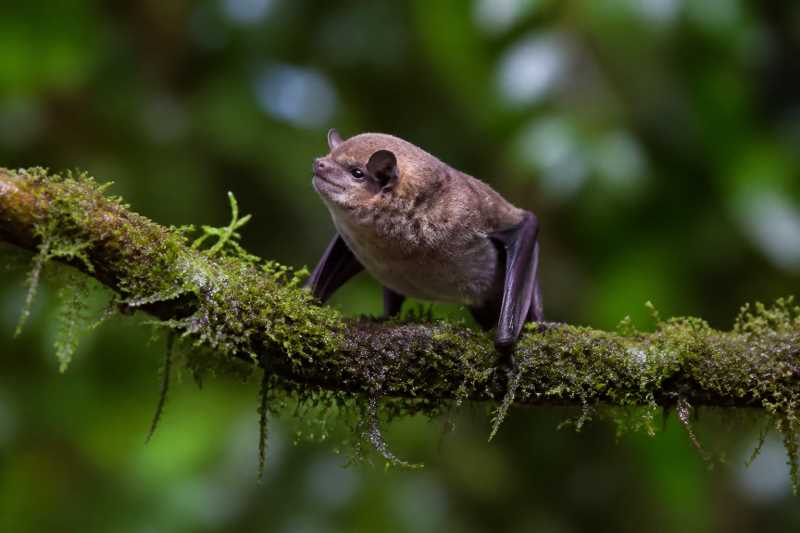
The Moss-forest Blossom Bat is a relatively small bat species, characterized by its delicate and intricate physical features. Weighing between 10 to 20 grams, these bats have a wingspan that ranges from 25 to 30 centimeters. Their fur is typically a soft, greyish-brown color, which provides excellent camouflage among the moss-covered trees of their forest habitats.
One of the most distinctive features of the Moss-forest Blossom Bat is its elongated snout and long, brush-tipped tongue, adaptations that facilitate nectar feeding. Their eyes are relatively large, a feature that enhances their nocturnal foraging abilities. The ears are small and rounded, complementing the bat’s overall streamlined appearance.
Range and Habitat
The Moss-forest Blossom Bat is primarily found in the tropical and subtropical rainforests of New Guinea, with populations also present in parts of northeastern Australia and nearby islands. These bats thrive in humid, mossy environments, often at elevations ranging from lowland areas to montane forests.
Their habitats are characterized by dense canopies and a rich diversity of flowering plants, which provide ample feeding opportunities. The bats are commonly associated with primary and secondary forests, though they can occasionally be found in disturbed areas that still offer sufficient floral resources.
Behavior and Diet
Moss-forest Blossom Bats are nocturnal creatures, emerging at dusk to embark on foraging expeditions. They are primarily nectarivorous, feeding on the nectar and pollen of a variety of flowering plants. This diet is supplemented by the occasional consumption of fruits and small insects.
These bats play a vital ecological role as pollinators, transferring pollen between flowers as they feed. This mutualistic relationship is particularly important for certain plant species that rely exclusively on bats for pollination.
Socially, Moss-forest Blossom Bats are relatively solitary, although they may roost in small groups during the day. Roosting sites are typically located in tree cavities, under loose bark, or among dense foliage.
Identification Tips (Field Recognition Cues)
Identifying the Moss-forest Blossom Bat in the field requires careful observation of several key features:
- Size and Shape: Look for a small bat with a slender build and an elongated snout.
- Fur Color: The soft, greyish-brown fur is a distinctive trait, blending seamlessly with mossy surroundings.
- Wingspan: Observe the moderate wingspan in relation to the body size, facilitating agile flight.
- Feeding Behavior: Note the bat’s tendency to hover near flowers, using its long tongue to extract nectar.
Conservation Status (with Threats and Protections)
The conservation status of the Moss-forest Blossom Bat is currently classified as "Least Concern" by the International Union for Conservation of Nature (IUCN). However, certain threats could impact their populations if left unaddressed.
Threats
- Habitat Loss: Deforestation and land conversion for agriculture pose significant threats to their natural habitats.
- Climate Change: Altered weather patterns can affect the availability and distribution of flowering plants, impacting food resources.
- Human Disturbance: Increased human activity in forested areas can disrupt roosting sites and foraging behavior.
Protections
Conservation efforts aimed at preserving rainforest ecosystems indirectly benefit the Moss-forest Blossom Bat. Protecting large swaths of forest, promoting sustainable land-use practices, and raising awareness about the ecological importance of bats are crucial steps in ensuring their continued survival.
Frequently Asked Questions
What is the primary diet of the Moss-forest Blossom Bat?
The Moss-forest Blossom Bat primarily feeds on nectar and pollen from a variety of flowering plants. This diet is occasionally supplemented by fruits and small insects.
How does the Moss-forest Blossom Bat contribute to its ecosystem?
As pollinators, these bats play an essential role in the reproduction of many flowering plant species. They facilitate the transfer of pollen as they feed, contributing to plant biodiversity and forest health.
Where can the Moss-forest Blossom Bat be found?
These bats are native to the tropical and subtropical rainforests of New Guinea, parts of northeastern Australia, and nearby islands. They prefer humid, mossy environments with abundant flowering plants.
What are the main threats to the Moss-forest Blossom Bat?
The main threats include habitat loss due to deforestation, climate change affecting food resources, and human disturbances in their natural habitats.
How can we help protect the Moss-forest Blossom Bat?
Supporting conservation initiatives that focus on preserving rainforest ecosystems and promoting sustainable land-use practices can help protect these bats. Raising awareness about their ecological importance is also crucial.
In conclusion, the Moss-forest Blossom Bat is a fascinating and ecologically significant species that warrants attention and protection. By understanding their habits, habitats, and the challenges they face, we can contribute to the preservation of these vital pollinators and the ecosystems they support.
Related posts