Introduction
The Little Collared Fruit Bat, scientifically known as Myonycteris torquata, is a fascinating member of the Pteropodidae family. These bats play a significant role in their ecosystems as pollinators and seed dispersers. Despite their small size, they have a profound impact on the habitats they inhabit. This article delves into the physical characteristics, behavior, habitat, and conservation status of this intriguing species, providing a comprehensive overview for bat enthusiasts and researchers alike.
Physical Description
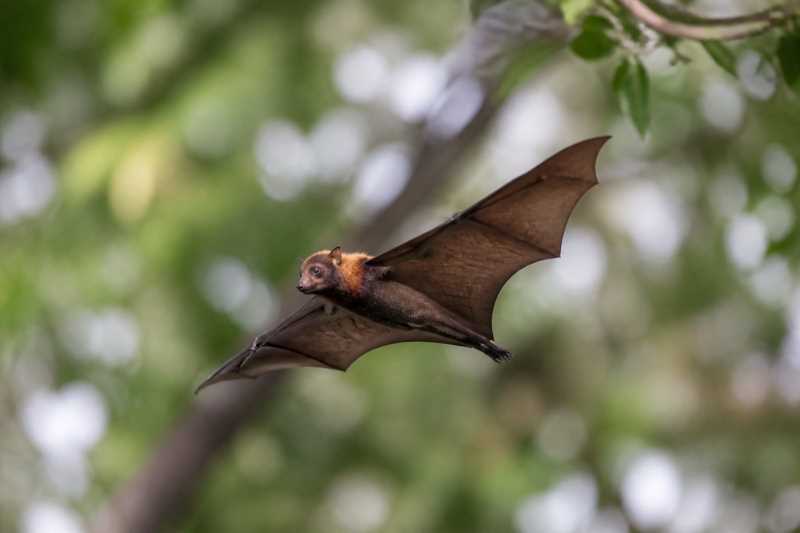
The Little Collared Fruit Bat is aptly named for the distinct collar-like marking around its neck. These bats typically exhibit a small to medium size, with a wingspan ranging from 30 to 40 centimeters and a weight of approximately 50 to 80 grams. Their fur is generally short and dense, varying in color from brown to reddish-brown, which provides excellent camouflage in their natural habitat.
The most striking feature of Myonycteris torquata is the collar of lighter-colored fur encircling their neck, which contrasts with their otherwise darker body. This characteristic marking is not just decorative but serves as a key identification trait for researchers and wildlife enthusiasts. Their eyes are large and adapted for nocturnal activity, while their elongated snout is optimized for feeding on fruits and nectar.
Range and Habitat
The Little Collared Fruit Bat is predominantly found in the tropical regions of West and Central Africa. Their range extends through countries such as Nigeria, Cameroon, Gabon, and the Democratic Republic of the Congo. These bats thrive in lowland tropical forests, where fruit and flowering plants are abundant.
In terms of habitat preference, Myonycteris torquata tends to roost in dense forest canopies, often selecting locations that offer protection from predators and environmental elements. They are also known to inhabit secondary forests, demonstrating a degree of adaptability to habitat changes. However, they are less frequently found in open or highly disturbed areas.
Behavior and Diet
Little Collared Fruit Bats are primarily nocturnal, using the cover of darkness to avoid predators and human disturbances. They are social creatures, often found roosting in small colonies that can range from a few individuals to larger groups. These colonies are essential for thermoregulation and social interaction.
Their diet mainly consists of fruits, making them frugivores. They have a preference for figs and other soft fruits, although they are also known to consume nectar and flowers. This diet not only sustains them but also facilitates seed dispersal, contributing to the regeneration of their forest habitats.
Identification Tips (Field Recognition Cues)
Identifying the Little Collared Fruit Bat in the field can be challenging due to their nocturnal nature and elusive behavior. However, the following cues can aid in recognition:
- Collar Marking: The distinctive lighter-colored collar around the neck is a primary identification feature.
- Size and Wingspan: Observe the wingspan during flight; they are smaller compared to other fruit bats.
- Roosting Sites: Look for them in dense, leafy trees where they often form small colonies.
- Flight Pattern: They exhibit a slow, deliberate flight compared to insectivorous bats.
- Vocalizations: Listen for their soft, high-pitched calls often heard during social interactions at dusk.
Conservation Status (With Threats and Protections)
The International Union for Conservation of Nature (IUCN) currently lists the Little Collared Fruit Bat as Least Concern. However, like many species, they face threats primarily from habitat loss due to deforestation and agricultural expansion. Additionally, hunting and human disturbances pose significant risks.
Conservation efforts for Myonycteris torquata involve protecting their natural habitats through the establishment of reserves and protected areas. Initiatives aimed at sustainable forestry and community-based conservation programs are crucial for their continued survival. Educating local communities on the ecological importance of these bats is also vital in reducing human-bat conflicts.
Frequently Asked Questions
Q1: What do Little Collared Fruit Bats eat?
A1: Little Collared Fruit Bats primarily feed on fruits, particularly figs, and occasionally nectar and flowers. Their diet supports seed dispersal, which is crucial for forest regeneration.
Q2: Where are Little Collared Fruit Bats found?
A2: These bats are found in the tropical regions of West and Central Africa, in countries such as Nigeria, Cameroon, and the Democratic Republic of the Congo, predominantly in lowland tropical forests.
Q3: How can I identify a Little Collared Fruit Bat?
A3: Look for the distinctive collar of lighter-colored fur around their neck, observe their size and wingspan, and note their slow flight pattern. They are also often found roosting in small colonies in dense forest canopies.
Q4: Are Little Collared Fruit Bats endangered?
A4: They are currently listed as Least Concern by the IUCN, but they face threats from habitat loss, hunting, and human disturbances. Conservation efforts are crucial for their protection.
Q5: What role do Little Collared Fruit Bats play in the ecosystem?
A5: As frugivores, they are vital for seed dispersal and pollination, aiding in forest regeneration and maintaining biodiversity in their habitats.
Related posts