Minute Short-nosed Fruit Bat (Cynopterus minutus): A Comprehensive Guide
Introduction
The Minute Short-nosed Fruit Bat, scientifically known as Cynopterus minutus, is a fascinating and lesser-known species of bat that plays a vital role in its ecosystem. This small fruit bat is native to Southeast Asia, with its presence being particularly notable in regions such as Indonesia and the Philippines. Despite its diminutive size, the Minute Short-nosed Fruit Bat is a critical pollinator and seed disperser in its habitat, contributing to the maintenance of tropical forest ecosystems. Understanding the biology and ecology of this species is crucial for its conservation and the sustainability of its natural habitat.
Physical Description
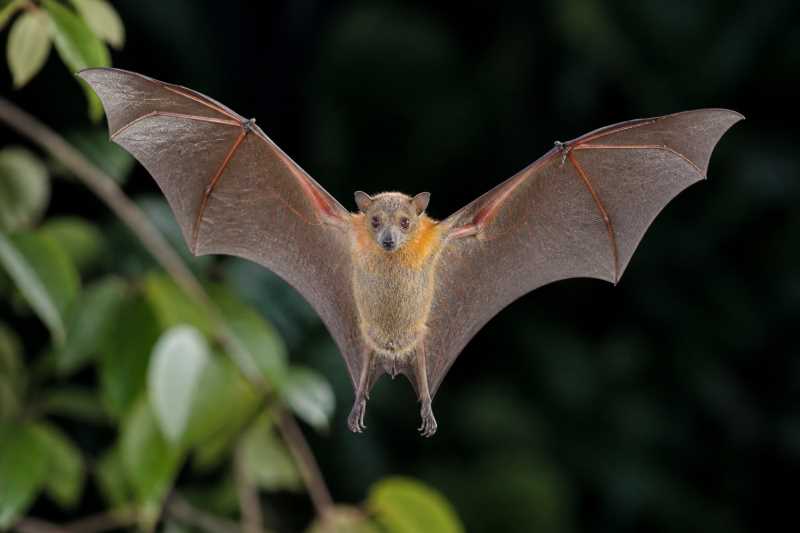
The Minute Short-nosed Fruit Bat is characterized by its small size and distinctive physical features. Adult bats typically weigh between 20 to 30 grams and have a wingspan of approximately 30 centimeters. Their fur is usually a blend of brown and gray tones, providing excellent camouflage among the trees and foliage. One of the most distinctive features of this species is its short, broad nose, which gives it the "short-nosed" moniker. This feature, along with their large, round eyes, aids in locating fruit and navigating their environment. Their wings are long and narrow, adapted for efficient flight through dense forest canopies.
Range and Habitat
Cynopterus minutus is predominantly found in the tropical and subtropical regions of Southeast Asia. Its range extends across multiple islands in Indonesia and the Philippines, as well as parts of Malaysia and Thailand. These bats thrive in a variety of habitats, including lowland tropical forests, mangroves, and agricultural areas. They are particularly fond of areas with abundant fruiting trees, which provide both food and roosting sites. The adaptability of the Minute Short-nosed Fruit Bat allows it to inhabit both primary and secondary forests, although deforestation poses a significant threat to its habitat.
Behavior and Diet
The Minute Short-nosed Fruit Bat is primarily nocturnal, emerging at dusk to forage for food. Its diet mainly consists of fruits, such as figs, bananas, and mangoes, as well as nectar from various flowering plants. This diet not only sustains the bat but also facilitates pollination and seed dispersal, aiding in forest regeneration. These bats are known for their agile flight and the ability to hover, which helps them access difficult-to-reach fruits and flowers. Social animals, they often roost in small groups within tree hollows or dense foliage, which provides protection from predators and harsh weather.
Identification Tips (Field Recognition Cues)
Identifying the Minute Short-nosed Fruit Bat in the wild can be a rewarding experience for wildlife enthusiasts. Here are some key identification tips:
- Size and Shape: Look for a small bat with a wingspan of about 30 centimeters and a compact body.
- Coloration: Their fur ranges from brown to gray, which helps them blend into the forest environment.
- Distinctive Nose: The short, broad nose is a key feature that distinguishes them from other bat species.
- Flight Pattern: Observe their agile and maneuverable flight, often hovering near fruiting trees.
- Roosting Behavior: They are commonly found roosting in small groups in tree hollows or dense foliage.
Conservation Status (with Threats and Protections)
The Minute Short-nosed Fruit Bat is currently classified as "Least Concern" by the International Union for Conservation of Nature (IUCN), but it faces several threats that could impact its population in the future. Habitat loss due to deforestation and agricultural expansion is a significant threat, reducing the availability of roosting and feeding sites. Additionally, hunting for bushmeat and the illegal pet trade pose risks to their populations.
To protect this species, conservation efforts focus on habitat preservation and restoration. Protected areas and national parks in Southeast Asia provide safe havens for these bats, and initiatives to reforest degraded land help restore their natural habitat. Public education and awareness campaigns are also crucial in reducing hunting pressures and promoting the ecological importance of fruit bats.
Frequently Asked Questions
What is the role of the Minute Short-nosed Fruit Bat in its ecosystem?
The Minute Short-nosed Fruit Bat is a vital pollinator and seed disperser. By feeding on fruits and nectar, it contributes to the pollination of plants and the dispersal of seeds, which is essential for forest regeneration and biodiversity.
How can we differentiate the Minute Short-nosed Fruit Bat from other bat species?
Key identification features include their small size, short and broad nose, and brown to gray fur coloration. Their agile flight pattern and preference for roosting in small groups within tree hollows or dense foliage are also distinguishing characteristics.
What are the main threats to the Minute Short-nosed Fruit Bat?
The primary threats include habitat loss due to deforestation and agricultural expansion, as well as hunting for bushmeat and the illegal pet trade. Conservation efforts focus on habitat preservation and public education to mitigate these threats.
Where can the Minute Short-nosed Fruit Bat be found?
This species is found in Southeast Asia, particularly in Indonesia, the Philippines, Malaysia, and Thailand. They inhabit tropical forests, mangroves, and agricultural areas with abundant fruiting trees.
How does the Minute Short-nosed Fruit Bat help in forest conservation?
By pollinating flowers and dispersing seeds, these bats play a crucial role in maintaining forest ecosystems. Their activities contribute to plant reproduction and diversity, supporting the overall health and resilience of their habitats.
Related posts