Chinese Noctule (Nyctalus plancyi): The Nighttime Navigator
Introduction
The Chinese noctule, scientifically known as Nyctalus plancyi, is a fascinating bat species found in various parts of Asia. Known for its impressive flight capabilities and nocturnal habits, the Chinese noctule is a member of the Vespertilionidae family, which is the largest family of bats. This article delves deep into the life of this elusive mammal, exploring its physical characteristics, habitat preferences, behavior, and the conservation challenges it faces.
Physical Description
The Chinese noctule is medium-sized compared to other bat species. It has a robust body with a wingspan ranging from 32 to 40 centimeters (approximately 12.6 to 15.7 inches). The body length of the Chinese noctule is typically between 6.5 to 9 centimeters (approximately 2.5 to 3.5 inches), and it weighs around 30 to 50 grams (1.1 to 1.8 ounces).
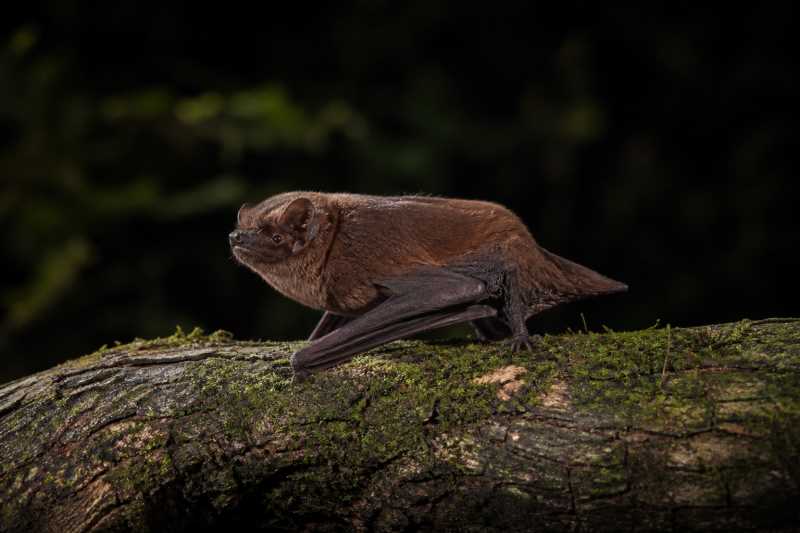
One of the most distinctive features of the Chinese noctule is its fur coloration, which varies from reddish-brown to dark brown, providing excellent camouflage among tree bark and foliage. The fur is dense and shorter on the underside, which is generally lighter in color. Its ears are small and rounded, aiding in echolocation, a critical aspect of their nighttime navigation.
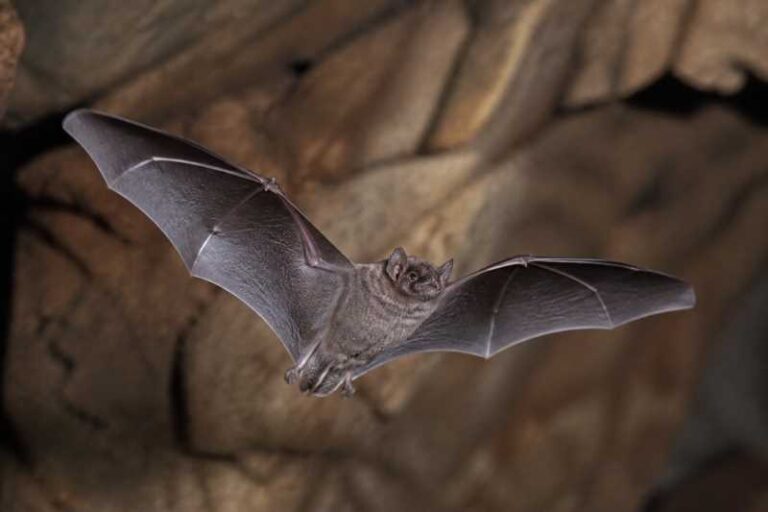
The wings of the Chinese noctule are long and narrow, designed for fast and agile flight. This wing structure enables them to cover large distances during their nocturnal foraging excursions.
Range and Habitat
The Chinese noctule is predominantly found in East Asia, with its range extending across China, Taiwan, and parts of Japan and Korea. They are adaptable creatures that inhabit a variety of environments, ranging from forests and woodlands to urban areas.
In forested regions, they prefer deciduous trees and mixed woodlands where they can roost in tree cavities or under loose bark. In urban areas, they are known to roost in buildings, taking advantage of crevices and attics for shelter.
During the winter months, Chinese noctules migrate to warmer regions or hibernate in their roosts to conserve energy. This seasonal migration is influenced by temperature changes and food availability.
Behavior and Diet
Chinese noctules are nocturnal, emerging at dusk to hunt and forage. Their diet primarily consists of flying insects, which they catch in flight using their acute echolocation abilities. This diet includes moths, beetles, and other small flying insects that are abundant during the night.
Echolocation is a critical aspect of their hunting strategy. By emitting high-frequency sound waves and interpreting the returning echoes, Chinese noctules can precisely locate and capture prey even in complete darkness.
Socially, Chinese noctules are known to roost in small colonies, although solitary roosting has also been observed. These colonies can consist of a few individuals to several dozen bats, depending on the availability of roosting sites and food resources.
Identification Tips (Field Recognition Cues)
Identifying Chinese noctules in the field can be challenging due to their nocturnal nature. However, there are several cues to look for:
- Flight Pattern: Look for fast and agile flight patterns around dusk. Chinese noctules are known for their rapid and direct flight.
- Roosting Sites: During the daytime, search for potential roosting sites such as tree cavities or building crevices where these bats might rest.
- Echolocation Calls: Using a bat detector, listen for high-frequency calls typically in the range of 20-40 kHz, which are characteristic of their echolocation.
- Physical Appearance: If observed at rest, note the reddish-brown to dark brown fur and the relatively small, rounded ears.
Conservation Status (with Threats and Protections)
The Chinese noctule is currently listed as Least Concern on the IUCN Red List. However, like many bat species, they face several threats that could impact their populations in the future.
Threats
- Habitat Loss: Deforestation and urbanization are significant threats, reducing available roosting and foraging habitats.
- Pesticides: The use of pesticides reduces insect populations, which directly impacts the food availability for Chinese noctules.
- Climate Change: Changing weather patterns can affect migration and hibernation behaviors, potentially leading to mismatches in food availability.
Protections
- Legislation: Some regions have enacted laws to protect bat habitats and regulate pesticide use.
- Conservation Efforts: Conservation programs focus on habitat preservation and public education about the ecological importance of bats.
Frequently Asked Questions
What do Chinese noctules eat?
Chinese noctules primarily feed on flying insects such as moths and beetles. They use echolocation to hunt and capture their prey during their nocturnal foraging activities.
Where can I find Chinese noctules?
They are found in East Asia, particularly in China, Taiwan, Japan, and Korea. Look for them in forested areas or urban environments where they roost in trees or buildings.
How do Chinese noctules navigate at night?
Chinese noctules use echolocation, emitting high-frequency sounds and interpreting the returning echoes to navigate and hunt in complete darkness.
Are Chinese noctules endangered?
Currently, the Chinese noctule is listed as Least Concern on the IUCN Red List. However, they face threats such as habitat loss and pesticide use that could impact their populations.
How can I help conserve Chinese noctules?
Supporting habitat preservation efforts and advocating for sustainable practices in agriculture and urban development can help protect Chinese noctules and their habitats.
Related posts