Duke of Bedford’s Vole: An In-Depth Look at Proedromys bedfordi
Introduction
Duke of Bedford’s vole, scientifically known as Proedromys bedfordi, is a small mammal that has captured the interest of researchers and conservationists alike. This elusive species, named after the 11th Duke of Bedford, stands out due to its limited distribution and unique ecological niche. Despite its relatively obscure status in the animal kingdom, Duke of Bedford’s vole plays a significant role in the ecosystems it inhabits. This article delves into various aspects of this fascinating mammal, including its physical characteristics, habitat, behavior, and conservation status.
Physical Description
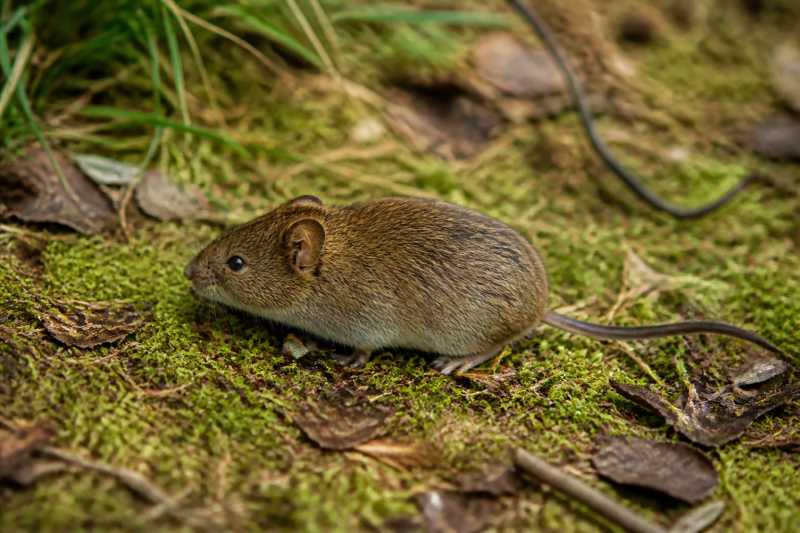
Duke of Bedford’s vole is a small rodent, typically measuring between 10 to 15 centimeters in length, with a tail that adds an additional 5 to 8 centimeters. Its body is covered with dense fur, which is usually greyish-brown on the dorsal side and lighter on the ventral side. This coloration provides effective camouflage against the forest floor, aiding in its survival.
The vole’s ears are small and rounded, often hidden within its thick fur, and its eyes are relatively small, reflecting its nocturnal lifestyle. It possesses strong, sharp incisors adapted for gnawing, which are essential for its diet. The limbs of Duke of Bedford’s vole are short but sturdy, designed for quick, agile movements through its forested habitat.
Range and Habitat
Proedromys bedfordi is primarily found in central China, within the provinces of Sichuan and Gansu. Its habitat is characterized by temperate montane forests, which offer a rich array of resources and shelter. These forests are dominated by coniferous and mixed tree species, providing a complex understory where the vole can forage and hide from predators.
The altitude of these forests typically ranges from 2,000 to 3,500 meters above sea level. This high-altitude environment presents unique challenges, such as colder temperatures and reduced oxygen levels, but Duke of Bedford’s vole has adapted well to these conditions. The availability of dense vegetation is crucial for the vole, as it relies on this cover to evade predators and access food sources.
Behavior and Diet
Duke of Bedford’s vole is predominantly nocturnal, emerging from its burrows at dusk to forage for food. It is primarily herbivorous, feeding on a diet of grasses, seeds, leaves, and occasionally small insects. This diet reflects the vole’s adaptation to its montane forest environment, where these food sources are abundant.
Socially, Duke of Bedford’s vole is relatively solitary, with individuals maintaining distinct territories. These territories are marked by scent markings and vocalizations, which serve as deterrents to other voles. Breeding occurs in the warmer months, with females giving birth to litters of 3 to 6 young after a gestation period of approximately 20 days. The young are weaned within a month and reach sexual maturity at around 6 months of age.
Identification Tips (Field Recognition Cues)
Identifying Duke of Bedford’s vole in the field can be challenging due to its elusive nature and the dense habitats it occupies. However, there are several key features that can aid recognition:
- Fur Coloration: Look for the distinctive greyish-brown fur that blends well with the forest floor.
- Size: Note the small size, typically around 10 to 15 centimeters in body length, excluding the tail.
- Tail: The tail is relatively short and covered with fine hair, unlike some other vole species with longer, more prominent tails.
- Behavior: Observing nocturnal activity and foraging behavior can also provide clues, as Duke of Bedford’s vole is primarily active at night.
Conservation Status (with Threats and Protections)
Duke of Bedford’s vole is currently classified as "Near Threatened" by the International Union for Conservation of Nature (IUCN). The primary threats to its survival include habitat destruction due to logging and agricultural expansion, which reduce the availability of suitable living spaces.
Climate change also poses a significant threat, as alterations in temperature and precipitation patterns can impact the delicate balance of the montane ecosystems where the vole resides. Conservation efforts are focused on protecting these habitats through the establishment of nature reserves and the implementation of sustainable land-use practices.
In addition, public awareness campaigns aim to highlight the importance of preserving these unique ecosystems and the species that inhabit them. Continued research is essential to monitor population trends and assess the effectiveness of conservation strategies.
Frequently Asked Questions
1. What is the lifespan of Duke of Bedford’s vole?
Duke of Bedford’s vole typically has a lifespan of 1 to 2 years in the wild. This relatively short lifespan is common among small rodents, who face numerous predators and environmental challenges.
2. How does Duke of Bedford’s vole adapt to its high-altitude environment?
The vole has developed several adaptations to thrive at high altitudes, including a thick fur coat for insulation against cold temperatures and efficient respiratory and circulatory systems to cope with reduced oxygen levels.
3. What role does Duke of Bedford’s vole play in its ecosystem?
As a herbivore, Duke of Bedford’s vole plays a crucial role in controlling vegetation growth and dispersing seeds. It also serves as prey for a variety of predators, contributing to the overall food web dynamics.
4. How can you differentiate Duke of Bedford’s vole from other vole species?
Key distinguishing features include its small size, greyish-brown fur, and specific habitat preference for high-altitude montane forests in central China. Observing its nocturnal behavior can also help in identification.
5. What conservation measures are in place to protect Duke of Bedford’s vole?
Conservation measures include the establishment of protected areas, sustainable land-use practices to prevent habitat destruction, and ongoing research to monitor the species’ population and habitat conditions.
Related posts