Introduction
The Kenyan Butterfly Bat, scientifically known as Glauconycteris kenyacola, is a fascinating and relatively understudied member of the bat family. Known for its unique appearance and behavior, this species is a part of the Vespertillionidae family, which encompasses a wide array of bats found across the globe. This article delves into the intricacies of the Kenyan Butterfly Bat, offering insights into its physical characteristics, habitat, behavior, and conservation status.
The allure of the Kenyan Butterfly Bat lies not only in its name, reminiscent of the delicate and colorful butterfly, but also in its ecological role and adaptations that allow it to thrive in the diverse landscapes of Kenya. As we explore this species, you’ll gain a deeper understanding of its life and the challenges it faces in the wild.
Physical Description
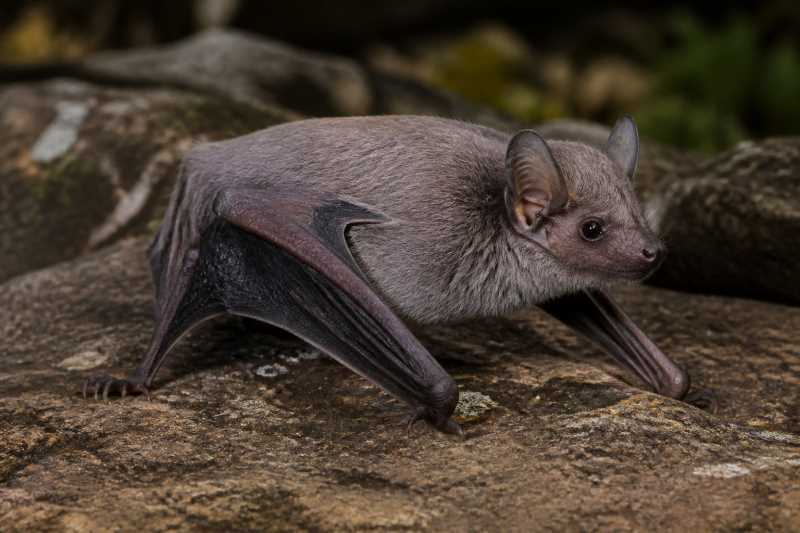
The Kenyan Butterfly Bat is renowned for its distinct appearance, which features a set of physical characteristics unique to its species. This bat is relatively small in size, with a forearm length ranging from 30 to 40 mm and a total wingspan that extends up to 25 cm. The body weight of the Kenyan Butterfly Bat typically ranges between 5 to 10 grams, making it a lightweight flyer in the mammal kingdom.
One of the most striking features of the Kenyan Butterfly Bat is its wing structure. The wings are adorned with intricate patterns that resemble the delicate wings of a butterfly, hence the name. These patterns are not just for show; they serve as a form of camouflage, helping the bat blend into its surroundings during roosting periods.
The coloration of the Kenyan Butterfly Bat is predominantly a mix of brown and gray, with lighter underparts. The fur is short and dense, providing insulation and aiding in thermoregulation. The ears are relatively large compared to its head and are equipped with a sophisticated echolocation system that allows the bat to navigate and hunt effectively in the dark.
Range and Habitat
The Kenyan Butterfly Bat is endemic to Kenya, where it inhabits a range of ecosystems. It is predominantly found in the eastern regions of the country, thriving in savannas, woodlands, and occasionally in forested areas. The bat’s adaptability to different habitats is a testament to its evolutionary success.
These bats prefer roosting in tree hollows, crevices, and sometimes in human-made structures, which provide safety from predators and harsh weather conditions. The chosen roosting sites are typically close to water sources, as these areas are rich in insect prey, which forms the bulk of the bat’s diet.
The altitudinal range of the Kenyan Butterfly Bat varies, with sightings reported from sea level areas up to elevations of 2,000 meters. This adaptability to a wide range of altitudes further highlights the species’ resilience in diverse environmental conditions.
Behavior and Diet
The Kenyan Butterfly Bat is a nocturnal species, primarily active during the night when it embarks on foraging expeditions. Its diet mainly consists of insects, with a preference for moths, beetles, and other small flying insects that are abundant in its habitat.
Echolocation plays a crucial role in the bat’s hunting strategy. The bat emits high-frequency sound waves that bounce off objects and return as echoes, allowing it to detect prey even in complete darkness. This sophisticated system enables the Kenyan Butterfly Bat to be an efficient and precise hunter.
Social behavior in the Kenyan Butterfly Bat is observed in the form of roosting colonies. These colonies can vary in size but typically consist of small groups. The bats communicate using a series of vocalizations and scent markings, facilitating social interactions and reproductive activities.
Identification Tips (Field Recognition Cues)
Identifying the Kenyan Butterfly Bat in the field requires a keen eye and understanding of specific cues:
- Wing Pattern: Look for the distinct butterfly-like patterns on the wings, which are unique to this species.
- Size and Shape: Note the small size and lightweight body, with a wingspan of approximately 25 cm.
- Echolocation Calls: Use a bat detector to pick up high-frequency calls typical of this species.
- Roosting Habits: Check tree hollows and crevices close to water bodies, where they are likely to roost.
- Activity Time: Observe during dusk and night, when these bats are most active.
Conservation Status (with Threats and Protections)
The conservation status of the Kenyan Butterfly Bat is currently listed as Data Deficient by the IUCN Red List. This classification highlights the need for further research to determine the population size and trends of this species.
Threats:
- Habitat Loss: Deforestation and land conversion for agriculture are primary threats, leading to loss of roosting sites and foraging grounds.
- Pollution: Pesticides and pollutants in water bodies can reduce insect prey availability and impact bat health.
- Climate Change: Changes in climate patterns can alter the bat’s habitat and food supply.
Protections:
Efforts to conserve the Kenyan Butterfly Bat include habitat protection through the establishment of reserves and protected areas. Increasing awareness and promoting sustainable agricultural practices can also help mitigate habitat loss.
Research initiatives aimed at studying the species’ ecology and distribution are crucial for informing conservation strategies and ensuring the survival of the Kenyan Butterfly Bat.
Frequently Asked Questions
What is the Kenyan Butterfly Bat’s scientific name?
The scientific name of the Kenyan Butterfly Bat is Glauconycteris kenyacola. This species is part of the Vespertillionidae family and is endemic to Kenya.
Where can I find the Kenyan Butterfly Bat?
The Kenyan Butterfly Bat is found in various habitats across Kenya, including savannas, woodlands, and occasionally forests. It roosts in tree hollows and crevices near water sources.
How does the Kenyan Butterfly Bat hunt?
The Kenyan Butterfly Bat uses echolocation to hunt. It emits high-frequency sound waves that bounce off objects, allowing it to detect and capture insects in complete darkness.
What threats does the Kenyan Butterfly Bat face?
The primary threats to the Kenyan Butterfly Bat include habitat loss due to deforestation, pollution, and climate change, which impact its food supply and roosting sites.
How can we help conserve the Kenyan Butterfly Bat?
Conservation efforts can include supporting habitat protection initiatives, promoting sustainable land use practices, and conducting research to better understand the species’ needs and distribution.
Related posts