Taiwan Broad-muzzled Bat (Submyotodon latirostris): A Comprehensive Guide
Introduction
The Taiwan Broad-muzzled Bat, scientifically known as Submyotodon latirostris, is a fascinating species of vesper bat endemic to Taiwan. This species is part of the family Vespertilionidae, which is known for its wide distribution and diverse habitats. Recognized for its distinctive broad muzzle, this bat plays a crucial role in its ecosystem as a nocturnal insectivore. In this article, we will explore the physical characteristics, habitat preferences, behaviors, and conservation challenges faced by the Taiwan Broad-muzzled Bat.
Physical Description
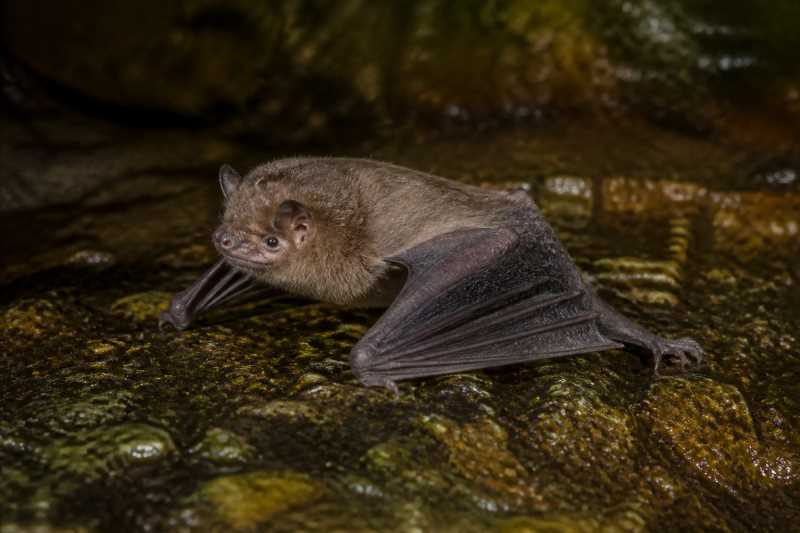
The Taiwan Broad-muzzled Bat exhibits several unique physical features that distinguish it from other bat species. Adult bats typically have a body length ranging from 4 to 6 cm, with a wingspan of approximately 20 to 25 cm. The species is named for its broad, flat muzzle, which is one of its most recognizable features.
The fur of the Taiwan Broad-muzzled Bat is typically a dark brown or grayish-brown color, providing excellent camouflage against the bark of trees and rocky crevices where it roosts. The underbelly is lighter, usually a pale gray or buff color. Its ears are medium-sized, rounded, and have a slight notch, which aids in its echolocation abilities.
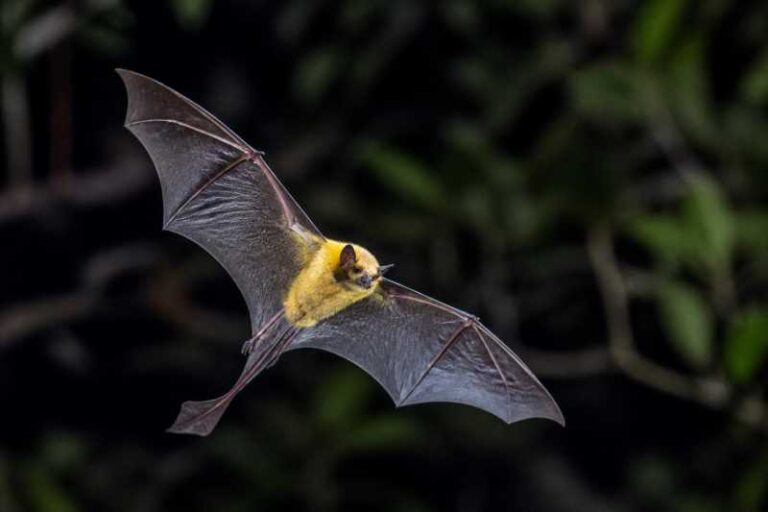
The wings are long and pointed, adapted for agile flight in pursuit of prey. The tail is relatively short, and the tail membrane (uropatagium) is well-developed, assisting in maneuverability and prey capture during flight.
Range and Habitat
The Taiwan Broad-muzzled Bat is endemic to Taiwan, meaning it is found nowhere else in the world. This species prefers a range of habitats, including mountainous regions, forests, and agricultural landscapes where it can find ample food sources and roosting sites.
Typically, these bats are found at elevations ranging from 500 to 2,500 meters above sea level. They favor roosting in tree hollows, caves, and man-made structures such as barns and abandoned buildings. These habitats provide the necessary shelter and protection from predators. The availability of water sources, such as streams and ponds, is also crucial as these bats rely on such areas to support their insect-rich diet.
Behavior and Diet
The Taiwan Broad-muzzled Bat is primarily nocturnal, emerging from its roost at dusk to forage for food. Its diet consists mainly of insects, including moths, beetles, and other small arthropods. The bat employs echolocation to navigate and hunt, emitting high-frequency sounds that bounce off objects and return as echoes, allowing it to detect prey even in complete darkness.
Socially, these bats are known to form small colonies, often roosting together in groups of 10 to 20 individuals. This social structure provides benefits such as increased protection from predators and the sharing of information about foraging sites.
During the winter months, the Taiwan Broad-muzzled Bat enters a state of torpor or hibernation to conserve energy when food resources are scarce. This adaptation is vital for survival in regions where temperatures can drop significantly.
Identification Tips (Field Recognition Cues)
Identifying the Taiwan Broad-muzzled Bat in the field requires attention to several key characteristics:
- Broad Muzzle: As the name suggests, one of the easiest ways to identify this species is by its broad, flat muzzle, which is uncommon among other bat species.
- Fur Coloration: Look for the distinctive dark brown or grayish-brown fur, with a lighter underbelly.
- Ear Shape: The rounded ears with a slight notch are a distinguishing feature that aids in differentiating this bat from others.
- Flight Pattern: Observe the agile and erratic flight patterns typical of insectivorous bats as they hunt for prey.
- Roosting Sites: Check tree hollows, caves, and abandoned structures for small colonies of these bats.
Conservation Status (With Threats and Protections)
The Taiwan Broad-muzzled Bat is currently classified as a species of Least Concern by the International Union for Conservation of Nature (IUCN). However, the species faces several threats that could impact its population in the future.
Threats
- Habitat Loss: Deforestation and land development pose significant threats to the bat’s natural habitats, reducing available roosting and foraging areas.
- Pesticide Use: The widespread use of pesticides in agriculture can reduce insect populations, the primary food source for these bats, and can also lead to poisoning.
- Climate Change: Changes in temperature and precipitation patterns can affect the availability of food and suitable habitats.
Protections
Conservation efforts for the Taiwan Broad-muzzled Bat include habitat preservation and legal protections. Taiwan has established several protected areas that safeguard critical habitats. Environmental organizations are also working to raise awareness about the importance of bats and their role in ecosystems.
Research initiatives are underway to better understand the ecology and behavior of this species, which can inform more targeted conservation strategies.
Frequently Asked Questions
1. What is the primary diet of the Taiwan Broad-muzzled Bat?
The Taiwan Broad-muzzled Bat primarily feeds on insects, including moths and beetles, which it hunts using echolocation.
2. Where can the Taiwan Broad-muzzled Bat be found?
This species is endemic to Taiwan and can be found in mountainous regions, forests, and agricultural areas at elevations between 500 and 2,500 meters.
3. How does the Taiwan Broad-muzzled Bat use echolocation?
The bat emits high-frequency sounds that bounce off objects and return as echoes, allowing it to detect prey and navigate in complete darkness.
4. What are the main threats to the Taiwan Broad-muzzled Bat?
The main threats include habitat loss due to deforestation, pesticide use in agriculture, and climate change affecting food availability and habitats.
5. How can we help protect the Taiwan Broad-muzzled Bat?
Supporting conservation initiatives, reducing pesticide use, and advocating for habitat preservation are effective ways to contribute to the protection of this species.
Related posts