Introduction
The Fly River Woolly Bat, scientifically known as Kerivoula muscina, is a lesser-known species of bat that resides mainly in the rainforests of Papua New Guinea. This elusive mammal is part of the Vespertilionidae family, commonly referred to as the vesper bats or evening bats. Despite its relatively cryptic nature, the Fly River Woolly Bat plays a crucial role in its ecosystem, contributing to insect population control and seed dispersal.
Bats, in general, are fascinating creatures due to their unique adaptations for flight and echolocation. The Fly River Woolly Bat, in particular, stands out due to its distinctive physical characteristics and habitat preferences. In this article, we will explore the various aspects of this intriguing species, including its physical description, range and habitat, behavior and diet, identification tips, conservation status, and more.
Physical Description
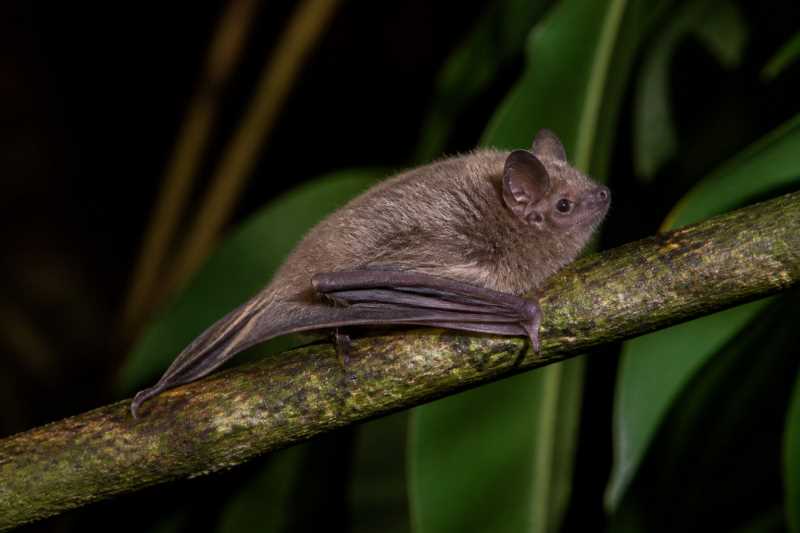
The Fly River Woolly Bat is characterized by its small size and distinctive woolly fur, which is a key feature of its appearance. The fur is typically a mix of brown and gray shades, providing effective camouflage against the tree bark and forest undergrowth where it roosts. This bat species is small, with a forearm length ranging from 28 to 35 mm, and weighs between 4 to 6 grams.
The ears of the Fly River Woolly Bat are relatively large compared to its head, enhancing its echolocation abilities. Its tragus, a small pointed structure inside the ear, is long and sharp, aiding in sound detection. The bat’s wings are long and narrow, optimized for maneuverability within dense forest canopies.
One remarkable adaptation of the Fly River Woolly Bat is its ability to fold its wings tightly against its body while roosting, which reduces its silhouette and helps in avoiding predators. Its eyes are small and adapted to low-light conditions, further enhancing its nocturnal lifestyle.
Range and Habitat
The Fly River Woolly Bat is endemic to Papua New Guinea, particularly in regions surrounding the Fly River, from which it derives its common name. The species inhabits lowland rainforests, where it can find ample roosting sites and a rich supply of insects.
These bats prefer undisturbed primary forests but can occasionally be found in secondary forests. They are typically found at elevations ranging from sea level up to 1,200 meters. Their habitat choice is influenced by the availability of roosting sites, such as tree hollows, and the presence of dense foliage that provides protection from predators.
The Fly River Woolly Bat’s preference for pristine forest environments makes it vulnerable to habitat destruction, which is a significant concern in the conservation of this species.
Behavior and Diet
As nocturnal mammals, Fly River Woolly Bats are most active during the night. They emerge from their roosts at dusk to forage for food, utilizing their acute sense of echolocation to navigate and hunt in the dark. This species primarily feeds on insects, including moths, beetles, and other small arthropods, making them essential for pest control in their ecosystems.
Interestingly, the Fly River Woolly Bat employs a hunting strategy known as "gleaning," where it listens for insects on leaves and other surfaces rather than catching them mid-air. This method is facilitated by its large ears and keen sense of hearing, enabling it to detect the faint sounds of insects.
During the day, these bats roost in small groups within tree hollows or dense foliage, which provide shelter and concealment from predators. The social structure of these bats is not well-documented, but they are believed to exhibit some level of social interaction within roosting colonies.
Identification Tips (Field Recognition Cues)
Identifying the Fly River Woolly Bat in the field can be challenging due to its small size and cryptic coloration. However, certain features can aid in its recognition:
- Fur Texture and Coloration: Look for the distinctive woolly fur with brown and gray hues.
- Ear Size and Shape: Note the relatively large ears with a sharp tragus, which is characteristic of this species.
- Wing Structure: The wings are long and narrow, suited for agile flight among dense vegetation.
- Roosting Behavior: These bats are often found roosting in tree hollows or dense leaves during the day.
- Echolocation Calls: If equipped with a bat detector, listen for their echolocation calls, which can help in confirming their presence.
Conservation Status (with Threats and Protections)
The conservation status of the Fly River Woolly Bat is currently classified as Data Deficient by the International Union for Conservation of Nature (IUCN). This designation indicates that there is insufficient information available to make a direct assessment of its risk of extinction.
However, the primary threat to this species is habitat loss due to deforestation and land conversion for agriculture. The logging of rainforests in Papua New Guinea poses a significant risk to the bat’s natural habitat, potentially leading to population declines.
Conservation efforts for the Fly River Woolly Bat focus on preserving its natural habitat. This involves advocating for sustainable forestry practices and establishing protected areas to safeguard the remaining primary forests. Research is also needed to gather more data on the species’ population size, distribution, and ecology to inform conservation strategies effectively.
Frequently Asked Questions
What is the primary diet of the Fly River Woolly Bat?
The Fly River Woolly Bat primarily feeds on insects. It uses echolocation to hunt for moths, beetles, and other small arthropods during its nocturnal foraging sessions.
Where can the Fly River Woolly Bat be found?
This bat species is endemic to Papua New Guinea, mainly found in the rainforests surrounding the Fly River. It prefers lowland and primary forests for its habitat.
How can I identify a Fly River Woolly Bat?
Identifying a Fly River Woolly Bat involves looking for its woolly fur with brown and gray shades, large ears with a sharp tragus, and listening for its echolocation calls.
What are the conservation threats to the Fly River Woolly Bat?
The primary threats to the Fly River Woolly Bat include habitat loss due to deforestation and land conversion for agriculture, leading to potential declines in its population.
Why is the Fly River Woolly Bat important to its ecosystem?
The Fly River Woolly Bat plays a crucial role in its ecosystem by controlling insect populations and contributing to seed dispersal, which aids in forest regeneration.
Related posts