East Javan Langur: An In-depth Look at Trachypithecus auratus
Introduction
The East Javan Langur, scientifically known as Trachypithecus auratus, is a captivating primate species native to Indonesia. Commonly referred to as the Javan lutung or ebony langur, these monkeys are recognized for their striking appearance and complex social structures. As a member of the Cercopithecidae family, the East Javan Langur is an integral part of its ecosystem, contributing to seed dispersal and forest dynamics. This article delves into the fascinating world of the East Javan Langur, covering its physical description, habitat, behavior, conservation status, and much more.
Physical Description
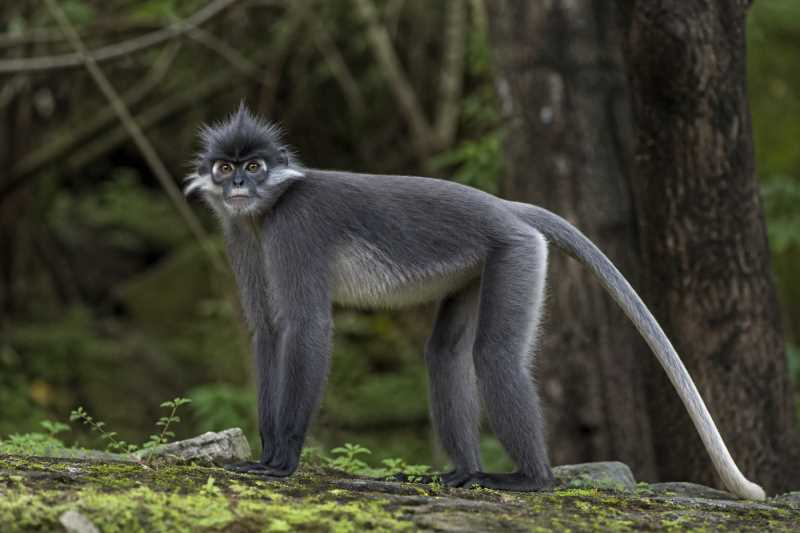
The East Javan Langur is a medium-sized primate, with adults weighing between 5 to 9 kilograms (11 to 20 pounds) and measuring around 40 to 55 centimeters (16 to 22 inches) in body length. Their tails are notably longer than their bodies, reaching lengths of up to 80 centimeters (31 inches). This feature aids in balance as they navigate the dense forest canopy.
These langurs are known for their distinctive coloration, which can vary widely. Adults typically exhibit a glossy black coat, although some individuals display a striking orange or reddish-brown hue. Juveniles are often born with a bright orange coat, which gradually darkens with age. The contrasting colors help in visual communication within their troop.
Their faces are characterized by a short muzzle, small round ears, and expressive eyes that convey a sense of curiosity and intelligence. The dense fur of the East Javan Langur provides insulation against the varying temperatures of their habitat, while their elongated limbs are adapted for an arboreal lifestyle.
Range and Habitat
The East Javan Langur is endemic to the island of Java in Indonesia, with its range primarily concentrated in the eastern regions. This species inhabits a variety of forested environments, including primary and secondary forests, mangroves, and montane forests. They are often found at elevations ranging from sea level up to 3,000 meters (9,843 feet).
These langurs prefer dense forests with a rich canopy cover, which provides both food resources and protection from predators. Unfortunately, habitat destruction due to agriculture, logging, and urban expansion has significantly reduced their natural range, making conservation efforts crucial for their survival.
Behavior and Diet
East Javan Langurs are highly social animals, living in groups known as troops. These troops typically consist of 7 to 20 individuals, including a dominant male, several females, and their offspring. Social interactions within the troop are complex and involve grooming, vocalizations, and play.
The diet of the East Javan Langur is primarily folivorous, consisting of a wide variety of leaves, fruits, and flowers. They are known to consume young leaves and shoots, which are easier to digest. Their specialized stomachs, with multi-chambered sacs, allow them to ferment cellulose, extracting maximum nutrients from their plant-based diet.
In addition to leaves, these langurs occasionally consume insects and other small invertebrates, supplementing their diet with protein. Their foraging behavior is influenced by the availability of food resources, which varies seasonally within their habitat.
Identification Tips (Field Recognition Cues)
Identifying the East Javan Langur in the wild can be an exciting experience for wildlife enthusiasts. Here are some tips to help you recognize these primates:
- Coloration: Look for their distinctive coat colors. Adults are typically black or dark brown, while juveniles have a bright orange coat.
- Tail Length: Notice their long tails, which are often held upright as they move through the trees.
- Behavior: Observe their social behavior; they are often seen grooming each other or engaging in playful activities.
- Vocalizations: Listen for their calls, which include a range of sounds such as grunts, whistles, and barks, used for communication within the troop.
- Location: Spot them in dense forest canopies where they forage for leaves and fruits.
Conservation Status (With Threats and Protections)
The East Javan Langur is currently classified as "Vulnerable" by the International Union for Conservation of Nature (IUCN). The primary threats to their survival include habitat destruction, illegal pet trade, and hunting for bushmeat.
Deforestation for agriculture and urban development has led to significant habitat loss, fragmenting their populations and reducing genetic diversity. Additionally, these langurs are often captured and sold as pets, despite legal protections.
Conservation efforts are underway to protect the East Javan Langur, including habitat restoration, anti-poaching initiatives, and public awareness campaigns. Protected areas such as national parks and wildlife reserves play a crucial role in safeguarding their remaining populations.
Frequently Asked Questions
1. What is the lifespan of an East Javan Langur in the wild?
East Javan Langurs typically live for about 20 to 25 years in the wild, although their lifespan can be influenced by factors such as predation, habitat quality, and human-related threats.
2. How do East Javan Langurs communicate within their troop?
Communication among East Javan Langurs involves a combination of vocalizations, body language, and grooming. They use calls to warn of predators, establish territory, and maintain social bonds.
3. Are East Javan Langurs endangered?
While not currently classified as endangered, the East Javan Langur is considered vulnerable due to habitat loss, hunting, and illegal pet trade. Conservation efforts are essential to prevent further decline.
4. What adaptations help East Javan Langurs survive in their environment?
Their adaptations include a folivorous diet, long limbs and tails for arboreal movement, and social structures that enhance survival through cooperation and communication.
5. Can East Javan Langurs be found outside of Java?
East Javan Langurs are endemic to Java and are not naturally found outside the island. However, they may be seen in captivity in zoos and wildlife parks around the world.
Related posts