Lappet-eared Free-tailed Bat (Mops major): An In-depth Exploration
Introduction
The Lappet-eared Free-tailed Bat, scientifically known as Mops major, is a fascinating member of the Molossidae family, distinguished by its unique ear structure and flight capabilities. This species inhabits various regions across Africa, showcasing intriguing behavioral patterns and ecological roles. As bats are crucial for maintaining ecosystem balance, understanding the biology and conservation status of the Lappet-eared Free-tailed Bat is paramount. This comprehensive article delves into the physical characteristics, habitat, behavior, identification tips, and conservation efforts surrounding this remarkable mammal.
Physical Description
The Lappet-eared Free-tailed Bat is notable for its distinct physical attributes that aid in its survival and adaptability. Adult Mops major typically weigh between 30 to 50 grams, with a wingspan ranging from 40 to 50 centimeters. The species is characterized by its robust body and elongated, narrow wings, allowing for agile and swift flight.
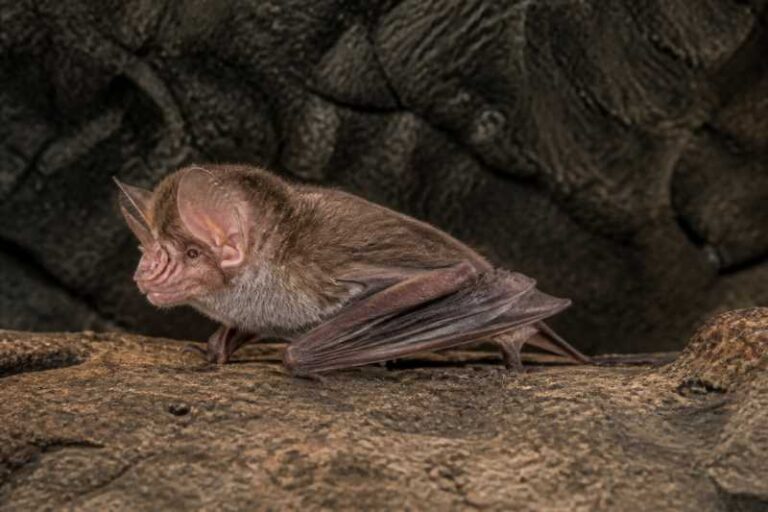
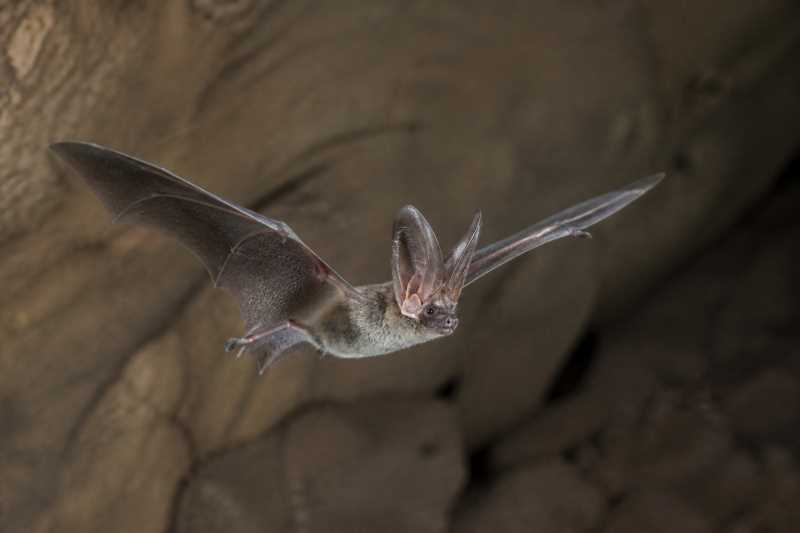
A defining feature of this bat is its prominent ears, which are large, rounded, and lappet-like, extending beyond the nose. These ears are equipped with a tragus, a small pointed structure, which plays a crucial role in echolocation, helping the bat navigate and hunt in the dark. The fur of the Lappet-eared Free-tailed Bat is generally dark brown or black, providing camouflage against the night sky.
Range and Habitat
Mops major is predominantly found in sub-Saharan Africa, with a range extending from Senegal in the west to Ethiopia in the east, and as far south as Zambia and Mozambique. This species prefers dry and arid regions, often inhabiting savannas, open woodlands, and semi-desert areas.
These bats are typically roosting in rocky crevices, caves, and sometimes in man-made structures such as abandoned buildings. Their choice of habitat is influenced by the availability of food sources and suitable roosting sites. The adaptability of the Lappet-eared Free-tailed Bat to different environments highlights its resilience and ecological importance.
Behavior and Diet
The Lappet-eared Free-tailed Bat is primarily nocturnal, emerging at dusk to embark on foraging expeditions. These bats are highly social creatures, often found in colonies that can range from a few individuals to several hundred. The social structure of these colonies is complex, with bats engaging in vocal communications to coordinate group activities and establish territory.
The diet of Mops major mainly consists of insects, particularly moths, beetles, and flying ants. Their hunting strategy involves rapid, agile flight patterns, utilizing echolocation to detect and capture prey mid-air. This dietary preference not only supports their nutritional needs but also helps control insect populations, highlighting their role in the ecosystem.
Identification Tips (Field Recognition Cues)
Identifying the Lappet-eared Free-tailed Bat in the field requires attention to specific characteristics:
- Ear Structure: Look for the distinctive large, rounded ears that extend beyond the nose, a key feature setting them apart from other bat species.
- Flight Pattern: Observe their flight, which is fast and erratic, often close to the ground as they hunt for insects.
- Roosting Habits: Check for their presence in rocky crevices or within man-made structures during the day.
- Size and Coloration: Note the medium size and dark fur, which help in blending with the night environment.
Conservation Status (with Threats and Protections)
The conservation status of the Lappet-eared Free-tailed Bat is currently listed as Least Concern by the International Union for Conservation of Nature (IUCN). However, this does not imply that the species is free from threats. Habitat destruction, primarily due to agricultural expansion and urbanization, poses significant risks to their roosting sites and food availability.
Additionally, climate change and pesticide use can have detrimental effects on insect populations, directly impacting the bat’s food sources. Conservation efforts are essential to mitigate these threats, focusing on habitat preservation and sustainable land-use practices.
Protective measures include establishing protected areas where the bats can thrive, as well as public education campaigns to raise awareness about the importance of bats in ecosystems. Continued research and monitoring are crucial to ensure the long-term survival of the Lappet-eared Free-tailed Bat.
Frequently Asked Questions
What do Lappet-eared Free-tailed Bats eat?
Lappet-eared Free-tailed Bats primarily feed on insects, including moths, beetles, and flying ants. They use echolocation to detect and capture their prey during flight.
Where can Lappet-eared Free-tailed Bats be found?
These bats are found across sub-Saharan Africa, inhabiting regions from Senegal to Ethiopia and south to Zambia and Mozambique. They prefer dry, arid habitats such as savannas and open woodlands.
How do Lappet-eared Free-tailed Bats contribute to the ecosystem?
Lappet-eared Free-tailed Bats play a vital role in controlling insect populations, thus maintaining ecological balance. Their presence helps reduce pest insects, benefiting agriculture and reducing the spread of insect-borne diseases.
Are Lappet-eared Free-tailed Bats endangered?
Currently, the species is listed as Least Concern by the IUCN. However, they face threats from habitat destruction and climate change, necessitating ongoing conservation efforts.
How can I identify a Lappet-eared Free-tailed Bat in the wild?
Key identification features include their large, rounded ears, fast and erratic flight patterns, and preference for roosting in rocky crevices or man-made structures.
Related posts