Introduction
The Little Long-fingered Bat, scientifically known as Miniopterus australis, is a remarkable species of bat belonging to the family Miniopteridae. This mammal is part of the diverse and ecologically significant group of bats known as microbats, which play a crucial role in various ecosystems by controlling insect populations and pollinating plants. Despite their importance, details about the Little Long-fingered Bat are not as widely known as some of their more famous counterparts, making them a fascinating subject for study and conservation efforts.
This article delves into the intricacies of the Little Long-fingered Bat, exploring its physical characteristics, natural habitat, behavioral patterns, and current conservation status. Furthermore, we’ll provide identification tips for those keen on observing these bats in the wild and answer some commonly asked questions about this intriguing species.
Physical Description
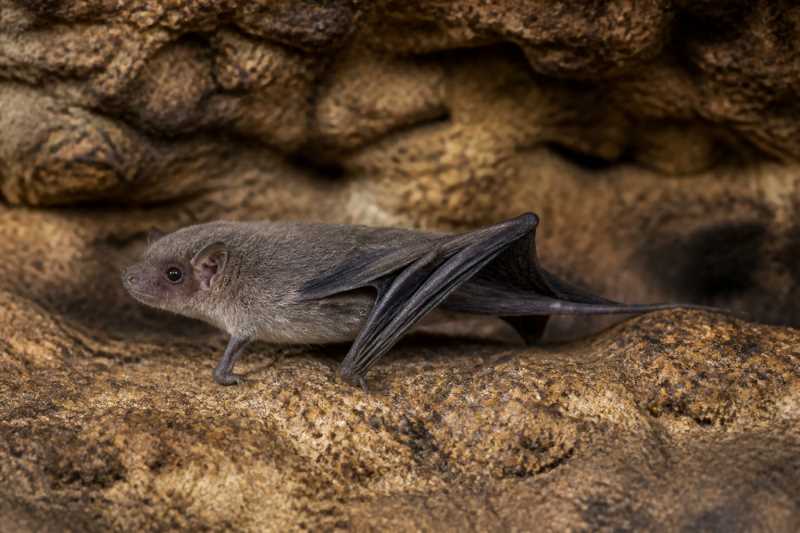
The Little Long-fingered Bat is a small to medium-sized bat, characterized by its distinctively elongated fingers, which contribute to its name. These elongated fingers support a thin membrane that forms the bat’s wings, enabling its agile and efficient flight.
Typically, the Little Long-fingered Bat has a body length ranging from 4 to 6 centimeters, with a wingspan stretching approximately 25 to 30 centimeters. Its weight varies between 5 to 10 grams, making it a relatively lightweight mammal. The bat’s fur is usually brownish or grayish, providing excellent camouflage against tree bark and rocky surfaces where it often roosts.
One of the defining features of this species is its rounded ears, which, while not overly large, are essential for echolocation. The bats use high-frequency sound waves to navigate and locate prey in the dark, a skill that is particularly crucial for their nocturnal lifestyle.
Range and Habitat
The Little Long-fingered Bat has a wide distribution, primarily found in parts of Southeast Asia, including Indonesia, Papua New Guinea, and northern Australia. Within these regions, it occupies a variety of habitats, from coastal lowlands to montane forests.
These bats are highly adaptable, often roosting in caves, rock crevices, and tree hollows. They are also known to inhabit man-made structures, such as old buildings and mines, which can provide suitable shelter. Their habitat preference is influenced by the availability of insect prey and suitable roosting sites, both of which are crucial for their survival.
Behavior and Diet
The Little Long-fingered Bat is predominantly nocturnal, emerging at dusk to feed. It is an insectivorous species, with a diet primarily consisting of small insects such as moths, beetles, and flies. These bats play a significant role in controlling insect populations, thus contributing to the ecological balance.
Their foraging is characterized by swift and agile flight patterns, facilitated by their long fingers and flexible wing membranes. They use echolocation to detect and capture prey, emitting high-frequency sounds that bounce off objects and return as echoes, enabling them to locate insects even in complete darkness.
During the day, Little Long-fingered Bats rest in their roosts, often forming small to medium-sized colonies. These social structures provide warmth and protection, particularly during the breeding season when females give birth to a single pup.
Identification Tips (Field Recognition Cues)
Identifying the Little Long-fingered Bat in the field can be challenging due to its small size and nocturnal habits. However, certain cues can aid in its recognition:
- Size and Shape: Look for a bat with a wingspan of 25-30 cm and a body length of 4-6 cm. Its long fingers and rounded ears are distinctive features.
- Flight Pattern: Observe its flight, which is typically swift and erratic, a common trait among insectivorous bats.
- Roosting Sites: Check for potential roosting sites such as caves, rock crevices, and hollow trees, especially in regions within its known range.
- Fur Color: Note the bat’s brownish or grayish fur, which aids in its camouflage against natural surfaces.
Conservation Status (with Threats and Protections)
The Little Long-fingered Bat is currently classified as Least Concern on the IUCN Red List. However, like many bat species, it faces several threats that could impact its populations in the future.
Threats
- Habitat Loss: Deforestation and land use changes for agriculture and urban development pose significant threats to their natural habitats.
- Disturbance: Human activity, particularly in caves and roosting sites, can disrupt bat colonies and affect their survival.
- Climate Change: Altered weather patterns can impact the availability of insect prey and suitable roosting conditions.
Protections
Conservation efforts for the Little Long-fingered Bat include:
- Habitat Protection: Establishing and maintaining protected areas in regions where these bats are found.
- Research and Monitoring: Conducting studies to better understand their ecology and population trends, which can inform conservation strategies.
- Public Awareness: Educating communities about the ecological benefits of bats and reducing negative perceptions.
Frequently Asked Questions
What do Little Long-fingered Bats eat?
Little Long-fingered Bats primarily feed on insects, including moths, beetles, and flies. Their diet helps control insect populations and maintain ecological balance.
Where are Little Long-fingered Bats found?
These bats are found in Southeast Asia, including Indonesia, Papua New Guinea, and northern Australia, inhabiting a range of environments from coastal lowlands to montane forests.
How do Little Long-fingered Bats navigate in the dark?
They use echolocation, emitting high-frequency sound waves that bounce off objects and return as echoes, allowing them to detect obstacles and locate prey in the dark.
Are Little Long-fingered Bats endangered?
Currently, they are classified as Least Concern by the IUCN, but they face threats such as habitat loss and climate change, which could impact their populations in the future.
How can you identify a Little Long-fingered Bat?
Look for a bat with a wingspan of 25-30 cm, long fingers, rounded ears, and brownish or grayish fur. Observing their swift flight patterns and roosting sites can also aid in identification.
Related posts