Introduction
The Bidentate Yellow-shouldered Bat, scientifically known as Sturnira bidens, is a fascinating member of the family Phyllostomidae. This small to medium-sized bat is part of the leaf-nosed bats, a diverse group with distinct ecological roles within their habitats. Recognized for its unique shoulder coloring, Sturnira bidens is not just an object of scientific curiosity but also a critical component of its ecosystem, contributing to seed dispersal and insect population control.
Bats like the Bidentate Yellow-shouldered Bat play a pivotal role in maintaining the health of their ecosystems. Despite their importance, bats often face threats from habitat destruction and human activity, making it crucial for conservation efforts to focus on understanding and preserving these creatures. This article explores the physical characteristics, range, behavior, and conservation status of the Bidentate Yellow-shouldered Bat, providing insights into what makes this species unique and how it can be protected.
Physical Description
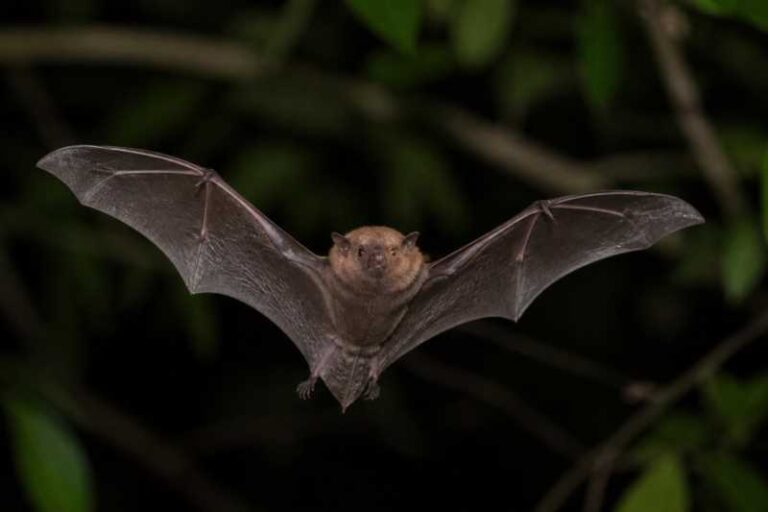
The Bidentate Yellow-shouldered Bat is distinguished by several unique physical features. Sturnira bidens typically exhibits a body length of 5 to 7 cm, with a wingspan ranging from 25 to 30 cm. This relatively small bat showcases a robust build, adapted to its environment and lifestyle.
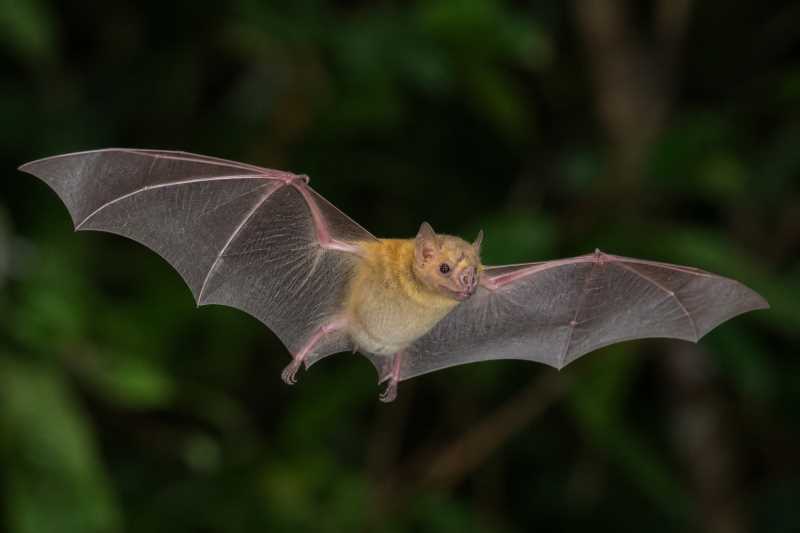
One of the most notable features of this species is its distinctive shoulder coloration. The "yellow-shouldered" name is derived from the bright yellow patches on their shoulders, which are more pronounced in males. These patches are thought to play a role in social and mating behaviors, possibly serving as visual cues or pheromone dispersal sites.
The fur of the Bidentate Yellow-shouldered Bat is generally a dark, smoky gray, providing camouflage in its nocturnal environment. The ears are small and rounded, and the snout features the characteristic leaf-like structure typical of the Phyllostomidae family, aiding in echolocation.
Range and Habitat
Sturnira bidens is primarily found in Central and South America, with its range extending from southern Mexico through parts of Central America and into the northern regions of South America. This bat prefers tropical and subtropical environments, thriving in rainforests, cloud forests, and other humid, densely vegetated areas.
The Bidentate Yellow-shouldered Bat often resides in lowland forests but can also be found in mid-elevation areas up to 2,000 meters above sea level. This adaptability to various altitudinal ranges allows the species to exploit a variety of ecological niches, making it a resilient species despite environmental pressures.
Behavior and Diet
Sturnira bidens exhibits nocturnal behavior, being most active during the night. It uses echolocation to navigate and hunt, a sophisticated biological sonar system that allows it to detect obstacles and prey with remarkable precision.
The diet of the Bidentate Yellow-shouldered Bat is primarily frugivorous, relying heavily on a variety of fruits. This dietary preference makes it an important seed disperser in its habitat, contributing to the regeneration of plant life and the maintenance of biodiversity. Occasionally, the bat may also consume insects, adding protein to its diet.
Socially, Sturnira bidens tends to form small to moderate-sized colonies, often roosting in caves, hollow trees, or under large leaves. These colonies provide safety and increased foraging efficiency, allowing bats to share information about food sources.
Identification Tips (Field Recognition Cues)
Identifying the Bidentate Yellow-shouldered Bat in the field requires attention to several key characteristics:
- Shoulder Patches: Look for the distinctive yellow patches on the bat’s shoulders, particularly in males.
- Size and Build: Observe the small to medium size and robust body structure.
- Ear Shape: Note the small, rounded ears which are typical of the species.
- Fur Coloration: The dark gray fur helps in distinguishing it from other bat species in similar habitats.
- Flight Pattern: Watch for the bat’s unique flight pattern which involves quick, agile movements as it navigates through dense foliage.
Conservation Status (with Threats and Protections)
The conservation status of the Bidentate Yellow-shouldered Bat is currently listed as "Least Concern" by the International Union for Conservation of Nature (IUCN). However, this does not mean the species is free from threats. The primary concerns include habitat loss due to deforestation, agricultural expansion, and urban development, which reduce the available roosting sites and food resources.
Climate change also poses a significant threat by altering the ecosystems on which Sturnira bidens depends. Additionally, human disturbances, such as cave tourism and mining, can disrupt their roosting habitats.
Conservation efforts for the Bidentate Yellow-shouldered Bat focus on habitat protection and restoration. Initiatives include establishing protected areas, promoting sustainable land use practices, and raising awareness about the ecological importance of bats. Continued research and monitoring are essential to ensure the long-term survival of this species.
Frequently Asked Questions
What does the Bidentate Yellow-shouldered Bat eat?
The Bidentate Yellow-shouldered Bat primarily eats fruits, making it a frugivore. It occasionally supplements its diet with insects, which provides additional protein.
Where can the Bidentate Yellow-shouldered Bat be found?
This species is found in Central and South America, from southern Mexico to northern South America, inhabiting tropical and subtropical forests including rainforests and cloud forests.
How does the Bidentate Yellow-shouldered Bat contribute to its ecosystem?
As a frugivore, Sturnira bidens plays a crucial role in seed dispersal, aiding in plant regeneration and maintaining biodiversity within its habitat.
What are the main threats to the Bidentate Yellow-shouldered Bat?
The main threats include habitat destruction due to deforestation and human encroachment, climate change, and disturbances from human activities such as cave tourism and mining.
How can we help conserve the Bidentate Yellow-shouldered Bat?
Conservation efforts include protecting habitats through the establishment of nature reserves, promoting sustainable land use, and conducting research to better understand and mitigate threats to the species.
Related posts