Introduction
The Central American Least Shrew (Cryptotis orophilus) is a fascinating mammal species that belongs to the family Soricidae. These small mammals are an integral part of the ecosystem, playing a crucial role in maintaining the balance of their habitat. Despite their significance, they remain relatively understudied, and their elusive nature has piqued the interest of many researchers and wildlife enthusiasts. In this article, we will delve into the various aspects of the Central American Least Shrew, including its physical characteristics, habitat, behavior, and conservation status.
Physical Description
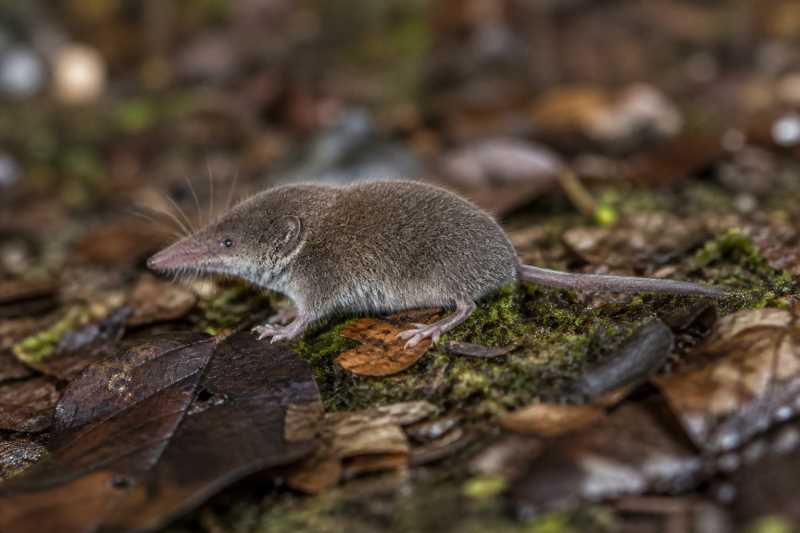
The Central American Least Shrew is a diminutive species, with adult individuals typically measuring between 6 to 8 centimeters in length, excluding their tail, which adds an additional 2 to 3 centimeters. They are characterized by their velvety fur, which is usually a shade of dark gray or brown, providing them with excellent camouflage in their natural habitat.
Their pointed snouts and small, beady eyes are adapted for their primary lifestyle of burrowing and foraging. The ears of the Central American Least Shrew are small and often hidden within their fur, an adaptation that aids in reducing heat loss and protecting them from debris while they navigate through underbrush and soil.
These shrews have forelimbs equipped with sharp claws that facilitate digging. Their teeth, though small, are sharp and well-suited for their insectivorous diet, enabling them to efficiently consume a variety of invertebrates.
Range and Habitat
The Central American Least Shrew is predominantly found in the montane regions of Central America, particularly in countries like Costa Rica and Panama. They inhabit cloud forests and other moist, high-altitude environments where the temperature and humidity levels are conducive to their survival.
These shrews prefer areas with dense undergrowth and abundant leaf litter, which provide both cover from predators and a rich supply of food. Their range is limited to elevations typically between 1,200 and 3,000 meters above sea level, where they can exploit the unique ecological niches available in these mountainous regions.
Behavior and Diet
The Central American Least Shrew is primarily nocturnal, emerging from its burrow under the cover of darkness to forage. Their activity peaks during the cooler hours of the night, which helps them conserve energy and avoid the higher predation risks associated with daytime activity.
Their diet mainly consists of insects and other small invertebrates, including earthworms, beetles, and spiders. They are known for their high metabolic rate, which requires them to consume food equivalent to their body weight every day. This dietary requirement drives their constant foraging behavior, as they search for meals beneath the forest floor and within decaying logs.
Socially, these shrews are mostly solitary, coming together only during the breeding season. They communicate through a series of high-pitched squeaks and scent markings, which help them establish territory and attract mates.
Identification Tips (Field Recognition Cues)
Identifying the Central American Least Shrew in the wild can be challenging due to their small size and secretive nature. However, there are several cues that can aid in their identification:
- Size and Shape: Look for a small, mouse-like creature with a long, pointed snout and short, dense fur.
- Coloration: Their fur is typically dark gray or brown, blending well with the forest floor.
- Behavior: Spotting one may require patience, but observing the forest floor at night with a flashlight might reveal their presence.
- Tracks and Signs: Look for small tracks in soft soil or leaf litter and listen for rustling sounds that indicate their movement.
Conservation Status (With Threats and Protections)
The conservation status of the Central American Least Shrew is currently listed as "Least Concern" by the International Union for Conservation of Nature (IUCN). However, like many small mammal species, they are vulnerable to habitat destruction and climate change.
The primary threat to their survival is deforestation, which leads to the loss of their natural habitat. As cloud forests and other high-altitude environments are cleared for agriculture and development, the shrews’ range is significantly reduced.
Efforts to conserve their habitat include the establishment of protected areas and national parks in Central America. These reserves not only safeguard the shrews but also protect the biodiversity of the entire ecosystem. Ongoing research and monitoring are essential in understanding the population dynamics and ecological needs of the Central American Least Shrew, ensuring their continued existence in the wild.
Frequently Asked Questions
Why is this species unique?
The Central American Least Shrew is unique due to its specialized adaptations to high-altitude environments and its role as a keystone species in maintaining the ecological balance of its habitat.
What are the main threats to the Central American Least Shrew?
The main threats include habitat loss due to deforestation and climate change, which alter the delicate balance of their high-altitude ecosystems and reduce their available habitat.
How can we help protect the Central American Least Shrew?
Supporting conservation efforts that focus on preserving cloud forests and other montane habitats is crucial. Advocacy for sustainable land-use practices can also help mitigate habitat destruction.
What do Central American Least Shrews eat?
They primarily consume insects and small invertebrates. Their diet includes earthworms, beetles, and spiders, which they forage for in the forest floor and leaf litter.
Are Central American Least Shrews social animals?
No, they are generally solitary creatures, coming together mainly during the breeding season. They communicate through vocalizations and scent markings to establish territory and attract mates.
Related posts