Introduction
The Losea Rat, scientifically known as Rattus losea, is a fascinating rodent species that inhabits various regions across Asia. This small mammal is part of the Muridae family, which comprises numerous rat and mouse species. Despite its unassuming nature, the Losea Rat plays a significant role in the ecosystems it inhabits, serving as both a pest and a prey species. This article delves into the intricate details of the Losea Rat, covering aspects such as its physical characteristics, habitat preferences, behavior, diet, and conservation status.
Physical Description
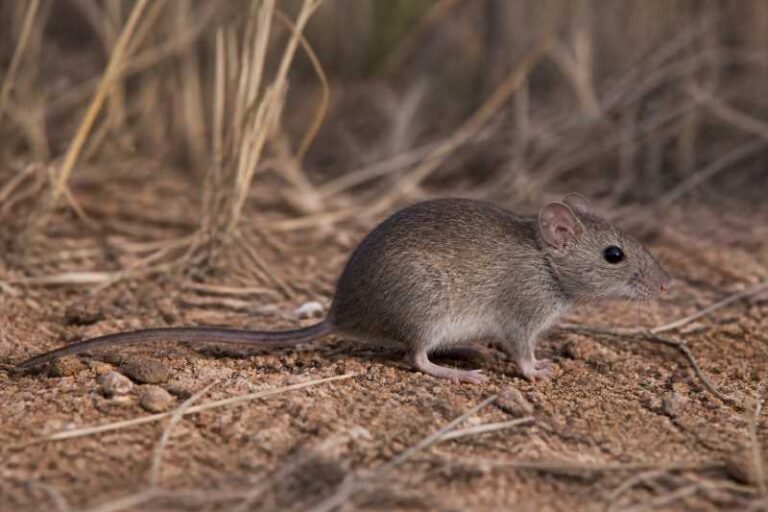
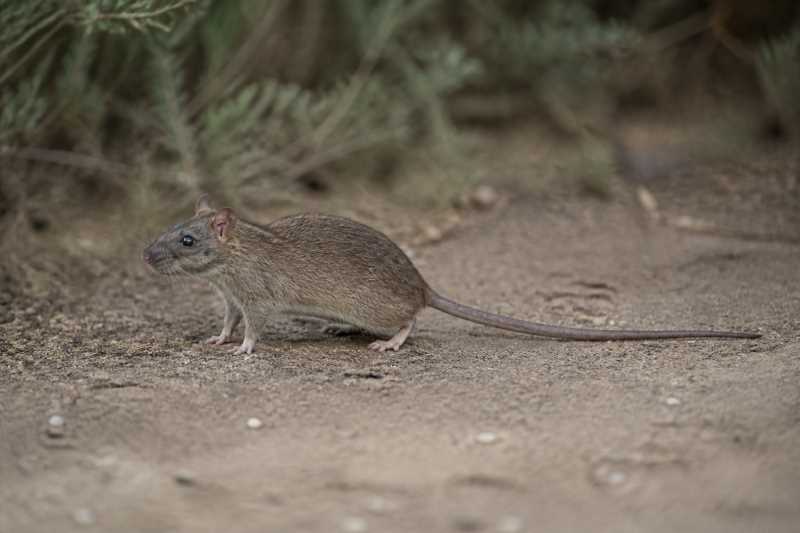
The Losea Rat is a medium-sized rodent characterized by its sleek and agile appearance. Adult Losea Rats typically measure between 10 to 15 centimeters in length, excluding the tail, which adds an additional 8 to 12 centimeters. Their weight ranges from 40 to 90 grams, depending on age and environmental conditions.
The fur of Rattus losea is generally coarse and varies in color from grayish-brown to a more reddish-brown hue, providing excellent camouflage against the forest floor and open fields where they commonly reside. The underbelly is lighter, often exhibiting a whitish or pale gray coloration. Their ears are relatively large and rounded, and their eyes are prominent, aiding in their nocturnal activities.
The Losea Rat’s tail is scaly and sparsely furred, which is typical among rodents of its genus. This tail serves as a balancing tool when they navigate through their arboreal and terrestrial habitats.
Range and Habitat
Rattus losea is predominantly found across Southeast Asia, including countries like Thailand, Vietnam, Laos, Cambodia, and parts of southern China. They thrive in a variety of habitats, from dense tropical forests to agricultural lands and rural areas. Their adaptability to different environments has contributed to their widespread presence across the region.
Losea Rats are versatile in their habitat preferences, often occupying areas with abundant vegetation and access to water sources. They are known to inhabit rice paddies, grasslands, and even suburban gardens, where they find ample food resources.
Behavior and Diet
The Losea Rat is primarily nocturnal, exhibiting peak activity during the night. This behavior helps them avoid predators and exploit food resources with minimal competition. They are known for their burrowing habits, creating intricate tunnel systems that provide shelter and protection from predators.
In terms of diet, Rattus losea is an omnivorous species. Their diet consists of a variety of plant material, seeds, fruits, and small invertebrates. In agricultural settings, they may consume crops such as rice and vegetables, leading to their reputation as pests among farmers.
Identification Tips
Identifying Rattus losea in the field can be challenging due to its similarity to other rat species. However, there are several key characteristics to look for:
- Size and Shape: The Losea Rat is medium-sized with a slender body and a long, scaly tail.
- Fur Color: Look for the distinctive grayish-brown to reddish-brown fur with a lighter underbelly.
- Habitat: Consider the environment; Losea Rats are often found in agricultural areas and regions with dense vegetation.
- Behavior: Observe nocturnal activity patterns and burrowing behavior.
Conservation Status
Currently, the Losea Rat is classified as a species of Least Concern by the International Union for Conservation of Nature (IUCN). This classification is due to their wide distribution and stable population numbers. However, they face several threats, such as habitat destruction, pesticide use, and predation by domestic animals.
Despite these threats, there are no specific conservation measures in place for the Losea Rat. Conservation efforts are generally focused on preserving their natural habitats and promoting sustainable agricultural practices to mitigate human-wildlife conflict.
Frequently Asked Questions
What do Losea Rats eat?
Losea Rats have an omnivorous diet, including seeds, fruits, small insects, and agricultural crops like rice.
How can I identify a Losea Rat?
Look for a medium-sized rat with grayish-brown to reddish-brown fur, a long scaly tail, and nocturnal activity habits.
Are Losea Rats considered pests?
Yes, in agricultural areas, they are considered pests as they feed on crops, causing economic damage to farmers.
Where are Losea Rats commonly found?
They are found across Southeast Asia, particularly in Thailand, Vietnam, Laos, Cambodia, and southern China, in habitats ranging from forests to agricultural lands.
What threats do Losea Rats face?
Their main threats include habitat destruction, pesticide use, and predation by domestic animals. However, they are not currently endangered.
Related posts